LA's Smart City Revolution Is Finally Reaching Your Commute, Your Parking Spot, and Your Power Bill
Real-time traffic signals, AI-powered water management, and predictive infrastructure are transforming how millions of Angelenos navigate daily life.
Real-time traffic signals, AI-powered water management, and predictive infrastructure are transforming how millions of Angelenos navigate daily life.
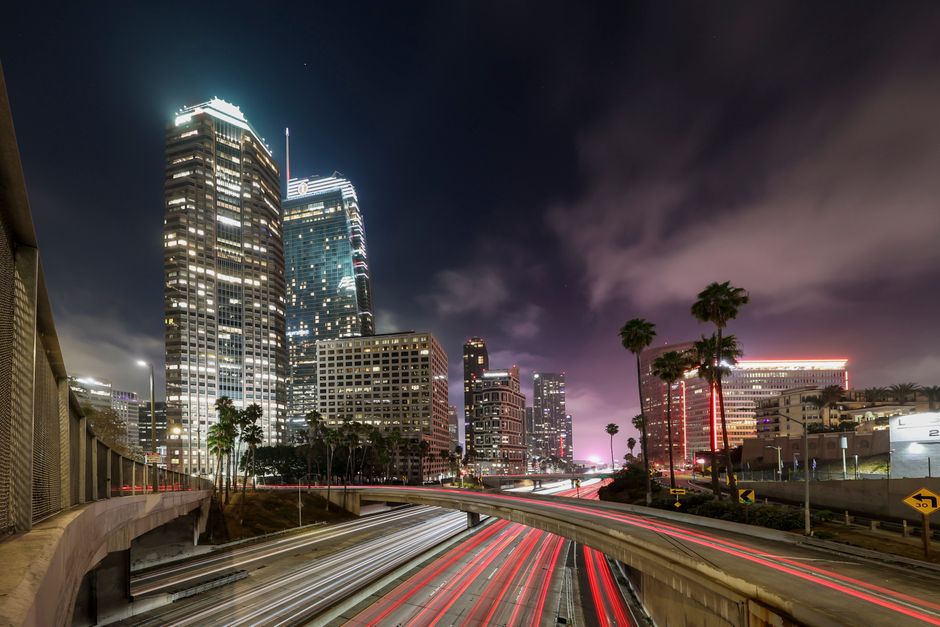
For years, Los Angeles residents endured the same frustrations: sitting in gridlock on the 405, circling the block for parking near The Grove, watching water bills spike during droughts. Now, a quietly accelerating smart city transformation is beginning to reshape these daily routines in measurable ways.
The shift is most visible on LA's streets. The Department of Transportation has deployed over 4,200 smart traffic signals across the city, with clusters concentrated along major corridors like Wilshire Boulevard and in neighborhoods such as Silver Lake and El Segundo. These adaptive systems use real-time vehicle and pedestrian data to optimize light timing, reducing average commute times by 12-15 percent during peak hours, according to city traffic studies. For residents making the daily trek from Santa Monica to downtown, even fifteen minutes saved translates to nearly two hours per week.
Parking—historically a nightmare in neighborhoods like Los Feliz and along Melrose Avenue—is also changing. The city's expanded smart parking pilot program now covers over 40,000 curb spaces, using sensors and mobile apps to guide drivers directly to available spots. Early data shows this has cut average parking search time from 17 minutes to under 5 minutes, reducing emissions and street congestion simultaneously.
The transformation extends beyond traffic. The LA Department of Water and Power has invested $180 million in AI-powered grid management and predictive leak detection. Smart meters now alert residents to water waste in real-time through mobile dashboards, and the system has identified thousands of underground leaks before they became costly ruptures—critical infrastructure improvements in a region perpetually facing drought concerns.
Not all residents experience these changes equally. Wealthier neighborhoods like Pacific Palisades and Bel Air received sensor infrastructure earlier than communities like Boyle Heights and South LA, though the city has committed to closing this equity gap by 2028. Public engagement remains spotty; many residents remain unaware their neighborhoods are now wired with these systems.
The technology does raise privacy concerns. The expansion of street-level sensors and data collection has sparked debate among civil liberties groups about surveillance and data usage—concerns city officials say they're addressing through transparency protocols and community oversight boards.
Still, for most Angelenos, the impacts are already tangible. Shorter commutes, cheaper parking, lower utility bills, and more reliable infrastructure represent the unglamorous but meaningful promise of smart city technology: making daily life slightly smoother, one data point at a time.
This article was compiled by AI and screened before publishing. See our editorial standards.
How does this story make you feel?
Spread the word
About this article
Published by The Daily Los Angeles
Daily brief
Free, in your inbox before 7am. Weekdays.
More in tech