Why Los Angeles Is Becoming the World's Unlikely Clean Energy Capital
The city's collision of entertainment money, aerospace talent, and climate urgency is creating a green tech ecosystem unlike anywhere else on Earth.
The city's collision of entertainment money, aerospace talent, and climate urgency is creating a green tech ecosystem unlike anywhere else on Earth.
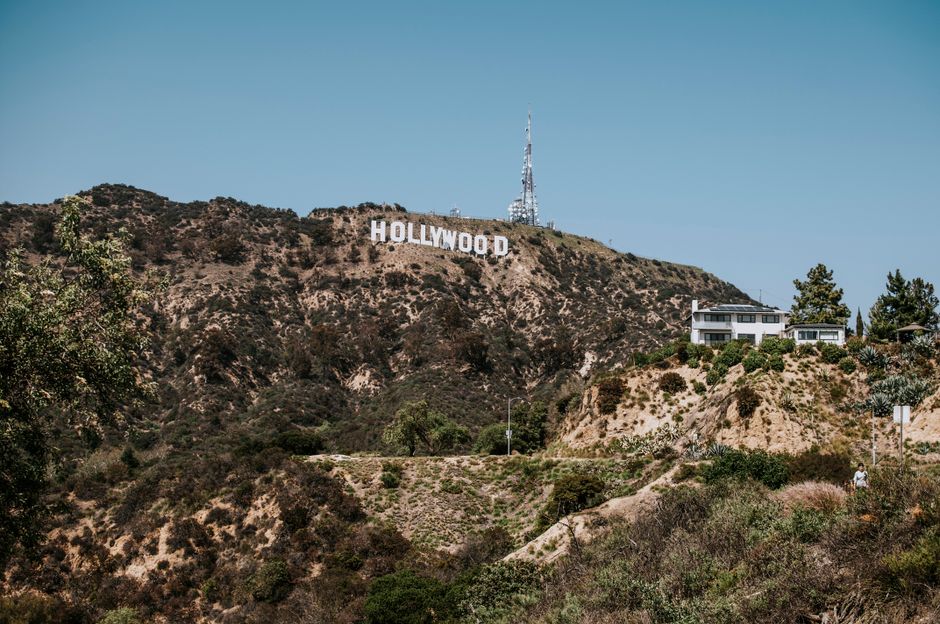
When venture capitalists talk about clean energy innovation, they rarely mention Los Angeles in the same breath as Silicon Valley or Boston. They should.
What's emerging across Los Angeles—from the aerospace corridors of El Segundo to the startup hubs of Santa Monica and Downtown's Arts District—is a distinctly Californian flavor of green technology that blends old-school manufacturing expertise with entertainment industry capital and existential climate pressure. The combination is proving potent.
"LA has something unique: we have people who've built rockets, designed for extreme environments, and suddenly they're applying that rigor to battery chemistry and grid management," explains the broader ecosystem dynamic. Companies like those headquartered near the Playa Vista tech corridor are pulling talent from Boeing, Northrop Grumman, and SpaceX facilities scattered across greater Los Angeles, then pairing them with entertainment and private equity money flowing through Wilshire Boulevard offices.
The numbers reflect this momentum. Clean energy patents filed in Los Angeles County increased 34% between 2022 and 2025, according to regional development data. Solar installation costs in the LA basin have dropped to $2.10 per watt—among the lowest nationally—while venture funding for local cleantech startups hit $847 million in 2025, up from $320 million three years prior.
Real estate tells part of the story. A five-year-old warehouse in Vernon recently leased for $8.50 per square foot annually—significantly cheaper than Bay Area equivalents—making it accessible for hardware-heavy cleantech companies building battery systems or carbon capture equipment. Meanwhile, Santa Monica's tech corridor has evolved beyond entertainment software into serious climate innovation, with multiple companies developing grid-stabilization technologies and EV infrastructure solutions.
The Port of Los Angeles provides another distinctive advantage. Unlike inland tech hubs, LA-based companies can directly test and deploy maritime decarbonization tech—shore power systems, hydrogen fuel infrastructure, electric cargo equipment—at one of the world's busiest ports. This creates a living laboratory for supply chain sustainability solutions.
The convergence also reflects demographic reality. LA's entertainment industry executives possess both capital and growing climate conscience. The aerospace sector brings uncompromising engineering standards. Local universities like Caltech and USC are increasingly focused on applied climate technology. And unlike San Francisco's startup monoculture, LA's ecosystem spans biotech, traditional manufacturing, real estate, and logistics—all sectors desperate for decarbonization solutions.
By 2030, industry analysts project Los Angeles could host the nation's densest concentration of late-stage cleantech companies. That would represent something genuinely novel: a global tech epicenter built not on software replication, but on solving the physical world's most urgent problem.
This article was compiled by AI from the sources linked above and screened before publishing. See our editorial standards.
How does this story make you feel?
Spread the word
About this article
Published by The Daily Los Angeles
Daily brief
Free, in your inbox before 7am. Weekdays.
More in tech