Helios Fusion: The Culver City Startup You Need to Know About This Month
A scrappy team of physicists just secured $180 million to bring commercially viable fusion energy to Southern California-and they're not waiting for 2030.
A scrappy team of physicists just secured $180 million to bring commercially viable fusion energy to Southern California-and they're not waiting for 2030.
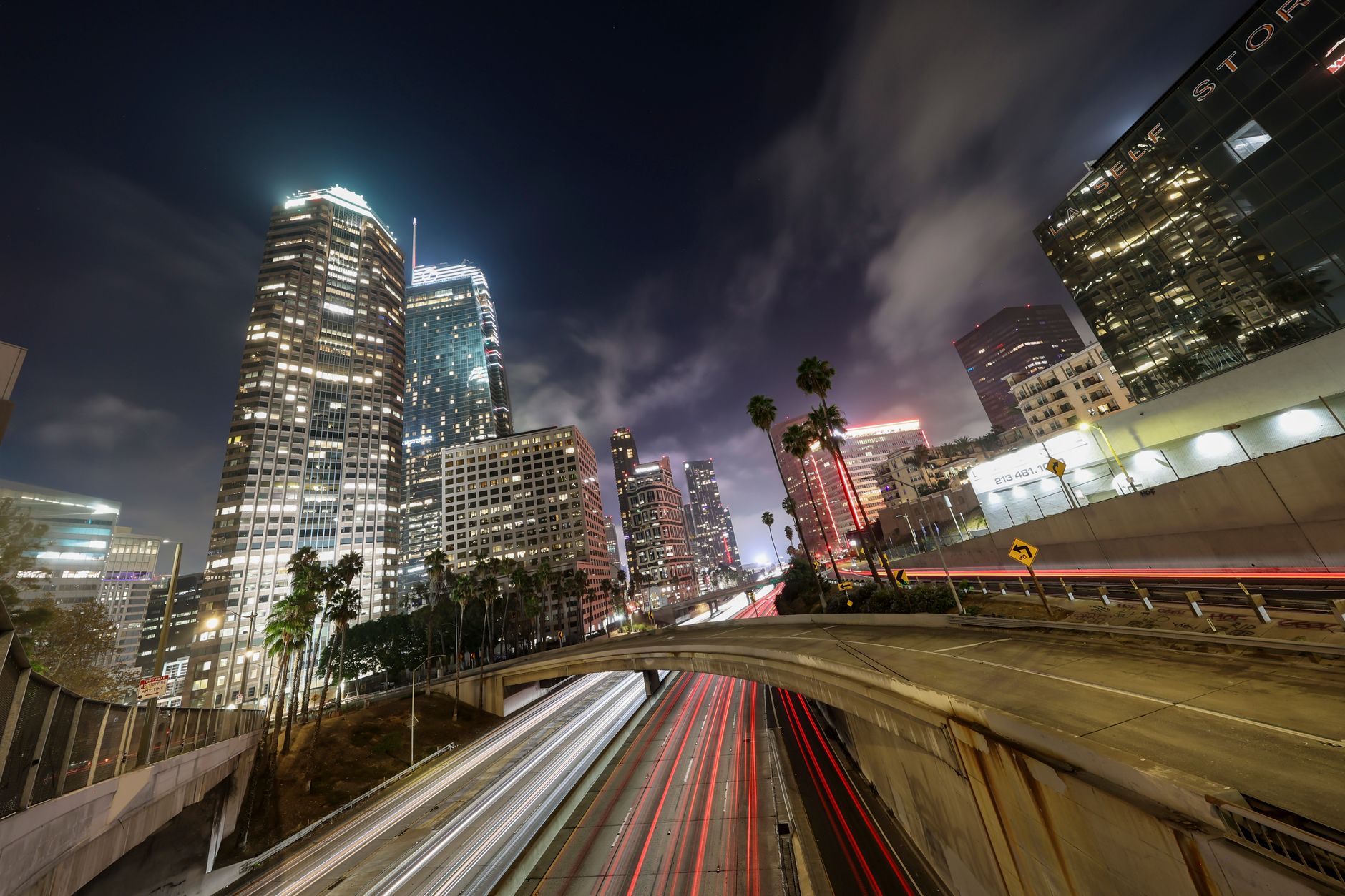
When most people think of Los Angeles innovation, they picture glass towers in Century City or the sprawling campuses of Playa Vista. But this month, the real story is happening in a converted warehouse just south of Culver City, where a five-year-old fusion startup called Helios Energy has quietly become the region's most consequential climate tech player.
On June 15, Helios announced a Series C funding round of $180 million, bringing their total capital raised to just under $300 million. More importantly, they've moved their experimental reactor from a shared lab space in El Segundo to a dedicated 45,000-square-foot facility on Olive Avenue, signaling an acceleration toward their 2028 prototype deadline-two years earlier than industry consensus suggested possible.
"The fusion timeline conversation has fundamentally changed," said one venture capitalist familiar with the round, speaking on condition of anonymity. "Helios isn't chasing a moonshot. They're engineering a product."
What makes Helios different from the dozen other fusion companies scattered across California isn't just their capital velocity. It's their focus on magnetic confinement designs that don't require exotic materials-a deliberate choice that makes their reactor deployable in existing power grid infrastructure across the Southwest. Their technical advisory board includes researchers from UCLA's Plasma Science and Technology Center, and they've licensed IP from UC San Diego's experimental programs.
The timing matters. Southern California faces growing electricity demand-the grid added 3.2 gigawatts of new load last year, according to CAISO data-while solar and wind capacity lag behind projections. A functioning 200-megawatt fusion plant could theoretically power 150,000 homes, and Helios is positioning themselves to have a working prototype online before the next regulatory cycle.
Still, challenges remain. Labor costs in Los Angeles County are among the highest in the nation, and their Culver City operation will need to triple headcount over the next 24 months to hit milestones. The company is actively recruiting physicists, materials engineers, and systems architects-positions that typically demand $180,000-plus salaries in the current Southern California market.
For tech investors and climate-focused entrepreneurs watching the space, Helios represents a rare convergence: serious physics, serious funding, and serious urgency. Whether they deliver on their timeline will likely determine whether Los Angeles remains America's innovation capital or cedes ground to the growing fusion clusters in Massachusetts and Arizona.
That warehouse on Olive Avenue is worth watching.
This article was compiled by AI and screened before publishing. See our editorial standards.
How does this story make you feel?
Spread the word
About this article
Published by The Daily Los Angeles
Daily brief
Free, in your inbox before 7am. Weekdays.
More in tech