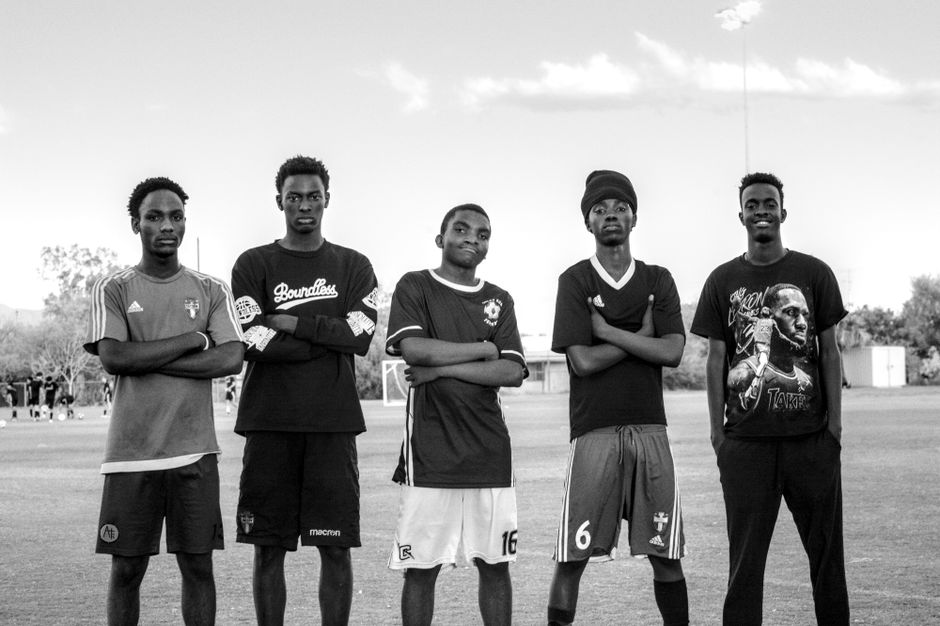
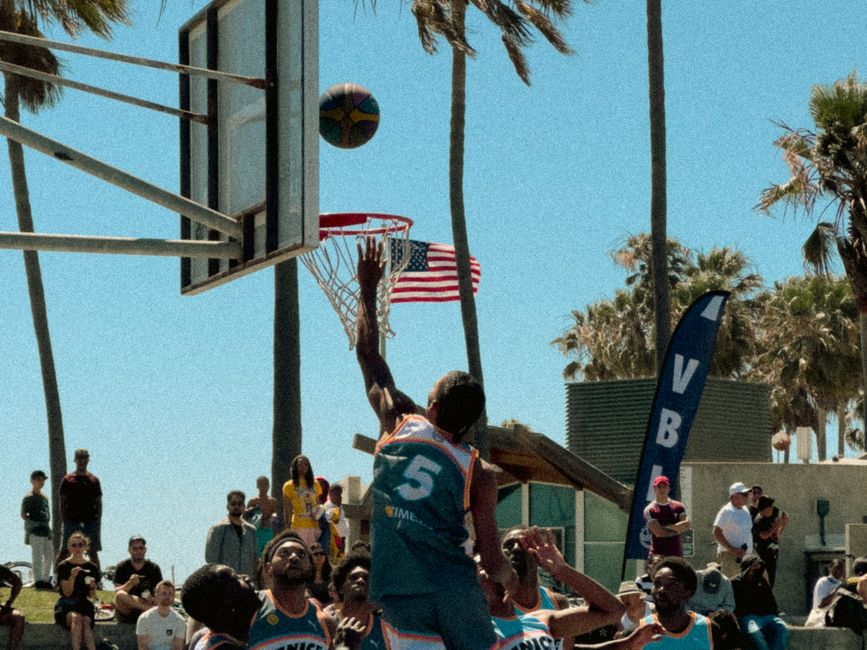
On a Tuesday evening in Boyle Heights, forty teenagers crowd onto a cracked asphalt court behind Salazar Park, waiting for their turn at the basketball hoops. Most are from families earning under 400% of the federal poverty line. None would be here without the Parks and Recreation Department's recent $3.2 million investment in grassroots youth programming—or the unpaid coaches who've made this corner of East LA a hub for competitive youth sports.
The story of Los Angeles youth sports in 2026 is not one of elite academies or television deals. It's the story of what happens when communities decide their children's athletic development matters more than profit margins.
Across the city, from Watts to the San Fernando Valley, organizations like LA Unified School District's expanded athletics program and community nonprofits are filling gaps left by underfunded schools and rising club sport fees. The average cost of joining a competitive youth soccer or basketball club in Los Angeles now exceeds $2,400 annually—a barrier that locks out most working families. In response, groups operating across Koreatown, Lincoln Heights, and South LA have created sliding-scale models, offering the same coaching caliber at a fraction of the price.
The numbers tell a sobering story. Youth participation in organized sports nationally has dropped 15% since 2015, with particularly steep declines in low-income communities. Los Angeles County, home to nearly 10 million people, has seen its public athletic fields dwindle by 23% in the same period. Yet grassroots organizations have refused to accept this trajectory.
What makes LA's movement distinctive is its hyperlocal focus. Rather than centralizing resources at major venues like Exposition Park or downtown facilities, community leaders have invested in neighborhood-based programs. The Crenshaw District Youth Athletic Association now operates six satellite coaching hubs within walking distance of residential areas. Silver Lake's volunteer-led running collective has expanded from 12 members in 2022 to over 150 youth participants. In Palms and Mar Vista, parent cooperatives have revived dormant school athletic fields through community maintenance partnerships.
These efforts reflect a fundamental belief: athletic development isn't a luxury good. It's infrastructure—as essential as libraries or parks. As Los Angeles navigates economic pressures and demographic shifts, the grassroots movement reminds us that the most powerful sports organizations are often the quietest ones, built on volunteer hours and community commitment rather than corporate sponsorship.
The courts in Boyle Heights will likely remain cracked. But as long as communities keep showing up to fill them, Los Angeles youth sports will survive—and thrive.
This article was compiled by AI and screened before publishing. See our editorial standards.