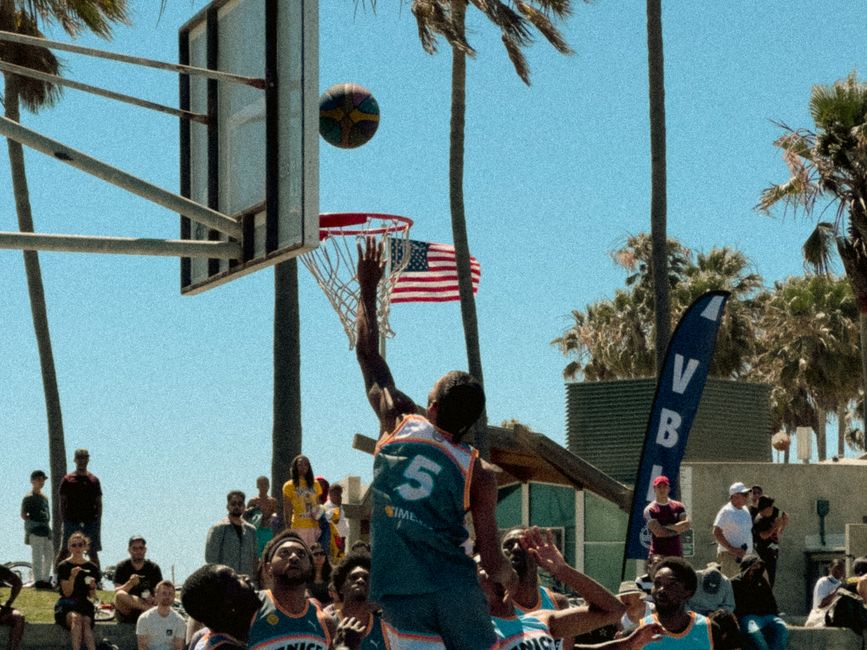
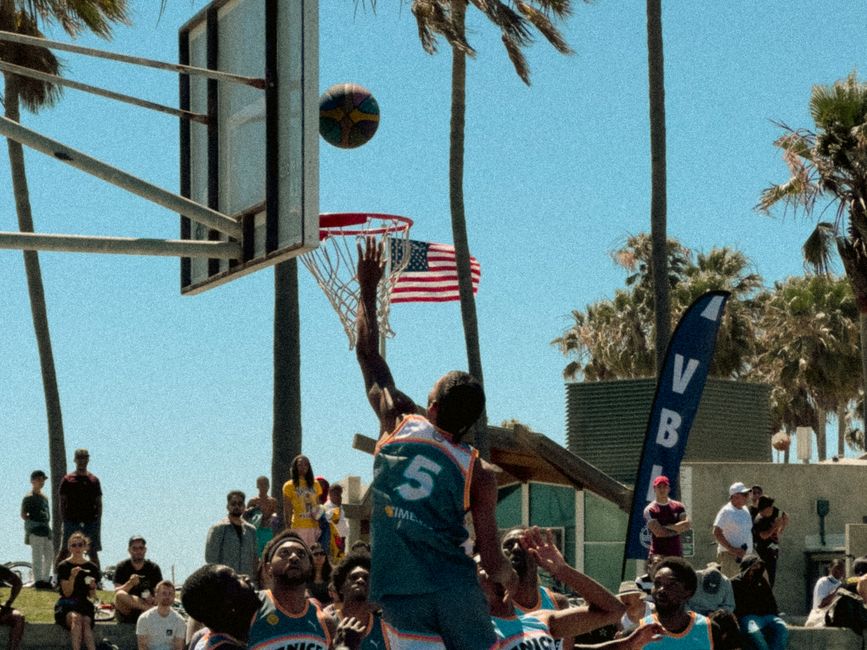
On any given Tuesday evening, the asphalt courts behind Garfield High School in East Los Angeles come alive with the sound of bouncing basketballs and competitive cheers. It's not a professional game. It's the Boyle Heights Community Basketball League—one of dozens of grassroots sports organizations that have quietly become the backbone of recreational life across the city.
These amateur leagues represent something increasingly rare in modern Los Angeles: organic, neighborhood-driven spaces where residents of all ages gather not for spectacle, but for participation. The movement spans from the Venice Beach volleyball courts to the Highland Park Soccer Collective to the countless running clubs that meet before dawn along the Los Angeles River bike path.
"We started with twelve people and a dream," explains one volunteer coordinator who has spent five years organizing weekend tournaments across the San Fernando Valley. "Now we have over 300 active members. People are hungry for community, not just fitness."
The numbers tell a compelling story. According to recent city recreation department data, amateur league registrations have grown 34 percent since 2021, with participation now exceeding 28,000 residents across organized recreational sports. Most operate on shoestring budgets—annual membership fees typically range from $40 to $150 per person—yet they've become essential infrastructure for neighborhoods often overlooked by commercial sports establishments.
What makes these leagues distinct is their hyper-local character. The Mar Vista Masters Softball League recruits from a six-block radius. The Thai Boxing Collective in Thai Town meets in a converted warehouse space on Hollywood Boulevard. Youth volleyball clubs in Koreatown draw families across multiple generations. Unlike franchise sports, these organizations operate within the actual communities they serve, building friendships that extend far beyond the playing field.
The economic impact matters too. Local businesses benefit from pre-game meals and post-match gatherings. Equipment shops in Silver Lake and Downtown LA report steady revenue from recreational athletes investing in their hobbies. More importantly, these leagues keep participants active—studies consistently show that community sports reduce isolation and improve public health outcomes in neighborhoods experiencing economic stress.
Challenges remain real. Permit costs, maintenance of aging public facilities, and volunteer burnout threaten growth. Yet across Los Angeles, new leagues emerge quarterly, often launched by parents seeking alternatives to expensive, competitive youth programs or working-class adults wanting affordable, welcoming athletic communities.
In an era of digital isolation and declining civic participation, LA's grassroots sports movement represents something powerful: neighborhoods reclaiming public space, one game at a time.
This article was compiled by AI and screened before publishing. See our editorial standards.