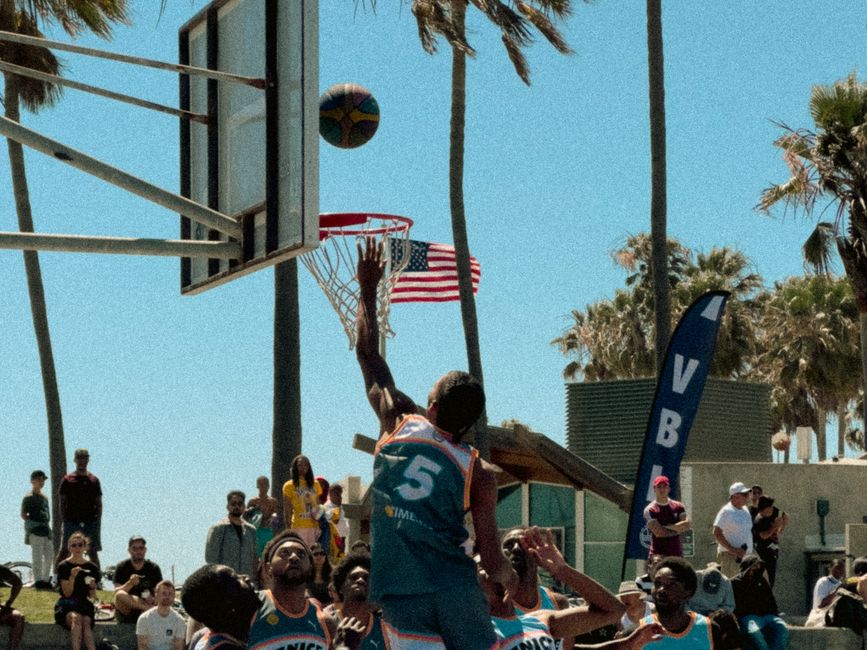
On a humid Tuesday evening in Boyle Heights, twenty-seven kids aged eight to fourteen file onto the cracked basketball court at Evergreen Recreation Center on North Evergreen Avenue. They're here for the Latino Community Basketball League—a grassroots organisation that didn't exist five years ago but now serves over 800 young athletes annually across three neighbourhoods.
This is the untold story of Los Angeles's community sport revolution: not the polished narratives of elite academies or professional development pipelines, but the determined efforts of neighbourhood volunteers who saw gaps in youth sports access and filled them themselves.
The movement's backbone is simple economics. A year-round competitive soccer programme at a private academy in Santa Monica costs $3,500 to $5,200. Meanwhile, the Crenshaw District Youth Sports Alliance charges families $200 annually—and provides free equipment to those unable to pay. Across LA's lower-income communities, similar organisations have emerged, charging between $150 and $400 per season compared to the $800-plus at mainstream clubs.
"We're not replacing elite development," says Marcus Chen, who coordinates youth programming for the San Fernando Valley Youth Athletics Network. "We're creating a pipeline that didn't exist. These kids get coached, compete fairly, and stay engaged in sport. That's the foundation everything else builds on."
The scale is impressive. In 2025, grassroots organisations registered through the LA Department of Recreation across South LA, East LA, and the Valley served approximately 6,200 young athletes—a forty percent increase from 2022. Youth participation in community basketball leagues alone jumped from 1,200 participants in 2023 to 3,100 by last summer.
The infrastructure is decidedly humble. Volunteers manage operations from kitchen tables and coffee shops. Court access depends on negotiating with parks departments for off-peak hours. Equipment arrives through donations, fundraising drives, and partnerships with local businesses. Yet these constraints breed innovation: community coaches develop skills through online certification programmes; volunteer administrators use free software platforms; equipment gets repaired rather than replaced.
What distinguishes the grassroots movement is intentionality about access. Programmes operate in neighbourhoods where traditional sports infrastructure is sparse—Watts, Boyle Heights, Panorama City—removing the transport barriers that keep talented young athletes sidelined. They prioritise inclusion over selectivity, competing against the elite club model's gatekeeping mentality.
As LA's sport ecosystem evolves, these neighbourhood organisations represent something essential: the democratic principle that athletic opportunity shouldn't require affluence. Whether that movement sustains and scales remains the city's most important sporting question.
This article was compiled by AI and screened before publishing. See our editorial standards.