On a Thursday evening in Silver Lake, the synthetic turf at Ivanhoe Elementary School fills with the sound of whistles and cheering parents. The LA Youth Soccer League's under-12 division is in full swing, with teams from Echo Park, Los Feliz, and surrounding neighborhoods competing in matches that cost families just $180 per season—a deliberate choice by organizers to keep the sport accessible across economic lines.
This scene, replicated across dozens of public parks from Downtown LA to the South Bay, tells a story about youth sports in 2026 that defies national trends. While enrollment in traditional pay-to-play club structures has plateaued nationally, grassroots organizations across Los Angeles are reporting growth of 12-15% over the past two years, driven by hyperlocal focus and community-centered programming.
"We realized early on that we weren't competing with elite travel clubs," says one coordinator at the South LA Athletics Collective, which operates basketball and track programs at Jordan High School in Watts. "We're building something different. We're creating pathways for kids who live within walking distance, and we're keeping money in the neighborhood."
The numbers reflect this shift. According to a June 2026 survey by the LA Parks Foundation, over 34,000 young people participated in grassroots sports programs across the city last year—up from 29,500 in 2024. Meanwhile, membership fees at community-based clubs average $150-250 annually, compared to $2,000-4,500 for traditional competitive circuits.
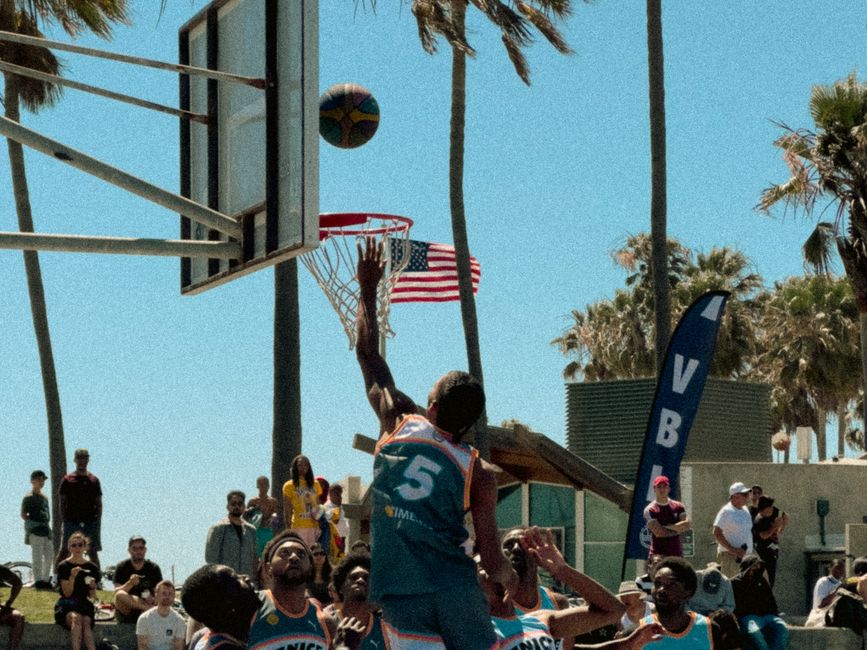
In Venice, the Abbot Kinney Youth Sports Collective has transformed a converted warehouse into a hub for basketball, volleyball, and martial arts. Partnerships with local schools and the city's recreation department have allowed them to operate on minimal overhead. Similar models have taken root in Mid-City LA, where the Crenshaw District Youth Athletics Program now serves over 800 kids monthly across five neighborhood venues.
The success isn't accidental. These organizations prioritize coaching development—offering certification programs to parents and local mentors rather than importing expensive external talent. They build seasons around school calendars and neighborhood events. Most crucially, they reinvest surpluses into facility improvements and scholarship opportunities.
"Parents want their kids playing sports," notes a development officer at one Santa Monica-based club that serves the Westside corridor. "But they also want to know their coach, to see their kids' friends, to understand how the program strengthens their actual community. That's what these groups deliver."
As Los Angeles continues to grapple with the city's affordability crisis, these grassroots clubs are proving that sports development doesn't require expensive infrastructure or distant tournament circuits. It requires proximity, intention, and genuine investment in the neighborhoods they serve.
This article was compiled by AI and screened before publishing. See our editorial standards.