LA's Recreational Sports Boom Reveals a City Redefining Its Fitness Culture
Participation data from amateur leagues and clubs shows Angelenos are ditching traditional gyms for community-driven, affordable alternatives.
Participation data from amateur leagues and clubs shows Angelenos are ditching traditional gyms for community-driven, affordable alternatives.
For years, Los Angeles defined itself through individual achievement—the solo runner pounding pavement in Griffith Park, the cyclist grinding up Mulholland Drive alone. But a quiet shift is reshaping the city's fitness landscape, and the numbers tell a striking story about how Angelenos actually want to stay active.
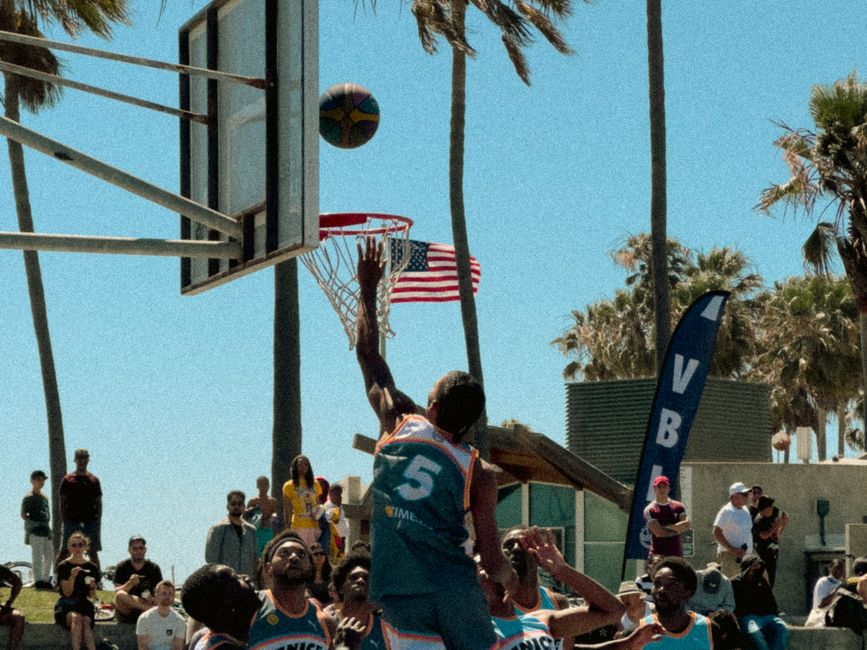
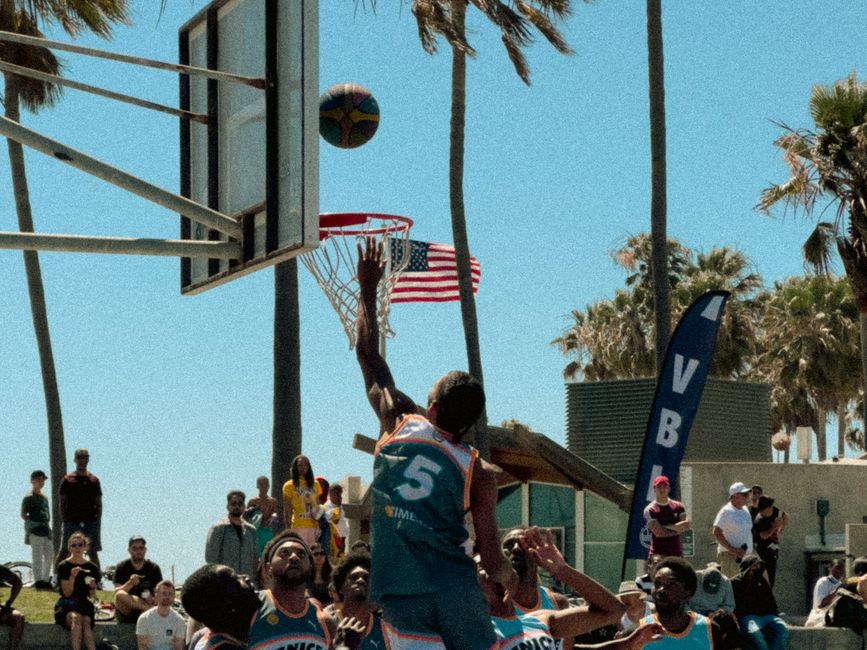
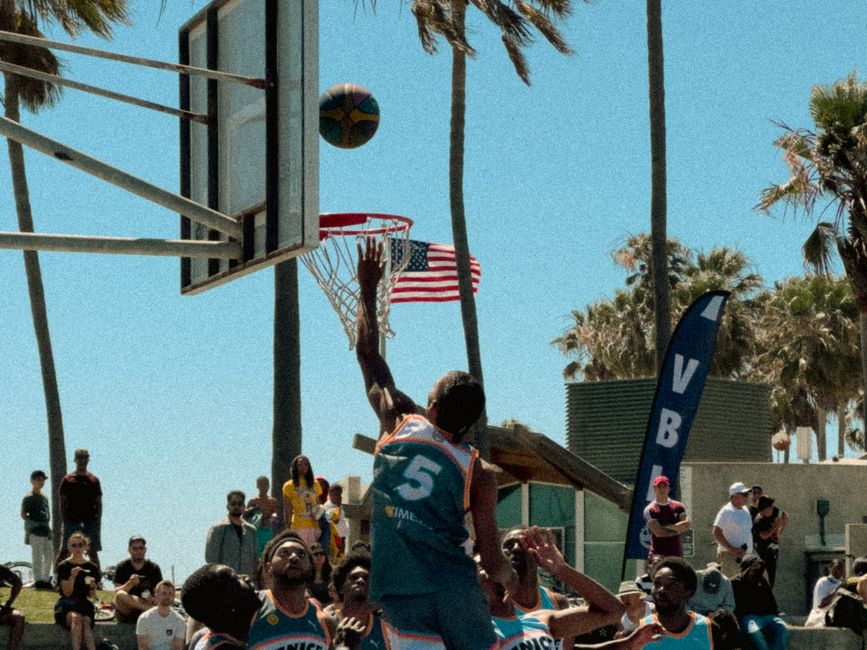
According to registration data compiled by the Los Angeles Department of Recreation and Parks, participation in recreational sports leagues has surged 34 percent since 2022. Softball leagues in Echo Park, basketball tournaments in Lincoln Park, and volleyball competitions along the Venice Beach courts have seen waiting lists stretch months long. The city's amateur soccer leagues—particularly in the San Fernando Valley and East LA—now field over 2,300 teams across all age brackets, up from 1,800 four years ago.
What's driving this explosion? Affordability stands front and center. A season-long recreational league membership typically costs between $150 and $300 per person, a fraction of boutique fitness memberships that routinely exceed $200 monthly. For families in neighborhoods like Koreatown and Downtown LA, community-based sports offer structured activity without the premium price tag.
The data also reveals demographic patterns that challenge stereotypes about who exercises in LA. Women now comprise 42 percent of recreational league participants—up from 29 percent in 2019—particularly in flag football and pickleball, sports experiencing explosive growth. The fastest-growing demographic is adults aged 40-plus, suggesting that younger Angelenos' preference for accessible, social movement has resonated across generations.
Local clubs have adapted accordingly. The Los Angeles Amateur Athletic Foundation and neighborhood-based organizations from Silver Lake to Long Beach have invested in scheduling evening games to accommodate working professionals. Several clubs now operate on sliding-scale fees, removing financial barriers entirely for residents making below 200 percent of the federal poverty line.
Perhaps most revealing is where people are gathering. Traditional commercial gyms remain popular, but they're no longer the centerpiece of LA's fitness identity. Participation in drop-in recreational sports has outpaced gym memberships for the first time in the city's modern history, according to market research firm IBISWorld.
This shift reflects something deeper about post-pandemic Los Angeles: a hunger for community and accountability that treadmills simply cannot provide. In a sprawling city infamous for isolation, Angelenos are choosing the soccer field, the volleyball net, and the running club—places where fitness happens together, affordably, and on their own terms.
This article was compiled by AI and screened before publishing. See our editorial standards.
How does this story make you feel?
Spread the word
About this article
Published by The Daily Los Angeles
Daily brief
Free, in your inbox before 7am. Weekdays.
More in Sport