While the Dodgers and Lakers command international attention, a quieter revolution is unfolding across Los Angeles's residential neighborhoods. Local sports clubs, from youth soccer leagues in Highland Park to rowing clubs along the Los Angeles River, are experiencing unprecedented growth and membership engagement that extends far beyond winning records.
The transformation became visible this spring when the Boyle Heights Athletic Club expanded its facility on East 1st Street, doubling capacity to serve the neighborhood's surging youth baseball program. The club now hosts over 400 registered players, up 65% from two years ago. The investment reflects a broader pattern across the city: as professional tickets become increasingly unaffordable—a family of four pays an average of $380 for Dodgers seats—local organizations are capturing both enthusiasm and dollars.
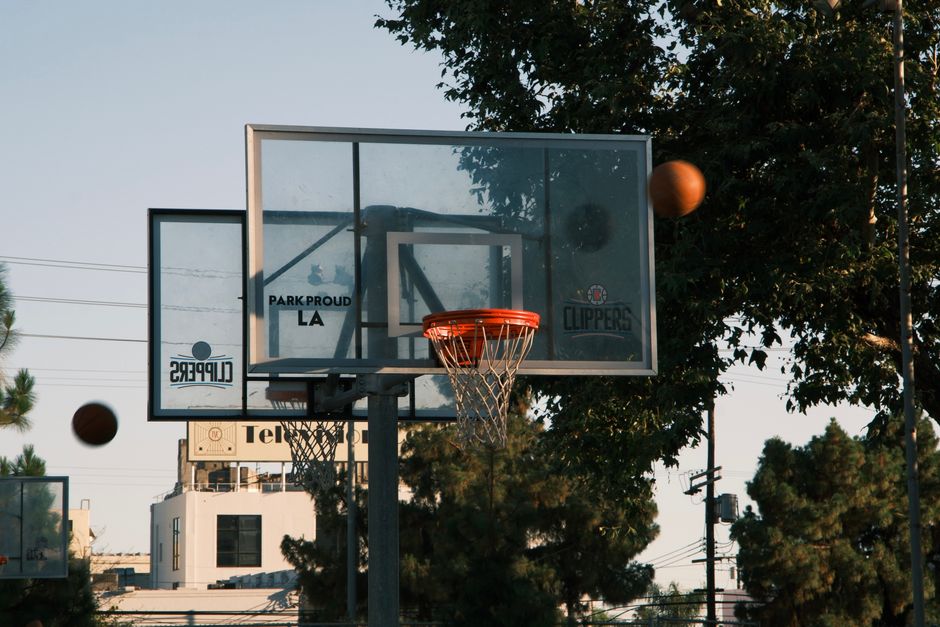
"We're not competing with SoFi Stadium," explains the executive director of one South LA community center that oversees basketball programming for 12 courts. "We're offering something different: accessibility, accountability, and neighbors supporting neighbors." Monthly membership costs for youth programs average $45 to $75, compared to the four-figure season ticket prices for major league franchises.
Venice Beach's recreational leagues tell a similar story. The Venice Community Center's volleyball and basketball clubs have grown to serve 600 active members. Last month, the organization secured a $2.3 million city grant to renovate court facilities along Ocean Front Walk, a project that represents the city's commitment to grassroots infrastructure.
The Echo Park Lake rowing club, once struggling with declining participation, now maintains a waiting list of 150 people eager to join. Early morning crews—bankers, teachers, and construction workers—have become fixtures on the water, creating an unexpected civic institution.
These organizations share a common ingredient: they've positioned themselves as anchors for their neighborhoods rather than mere athletic venues. The Hollywood Little League hosts community breakfasts. The Koreatown tennis club organized neighborhood safety walks. The Lincoln Heights soccer association raised $40,000 last year for local schools.
As Los Angeles grapples with disconnection and fragmentation, these local clubs are demonstrating that sporting venues can serve purposes beyond elite performance. They're creating something increasingly rare in 2026: spaces where strangers become teammates, and community becomes the real competitive advantage.
This article was compiled by AI from the sources linked above and screened before publishing. See our editorial standards.