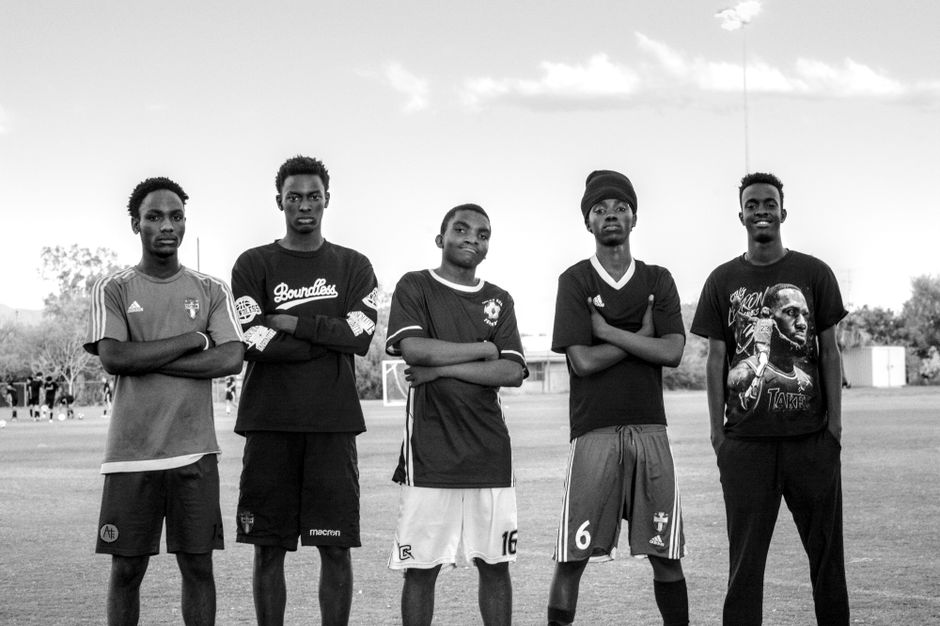
On any given Saturday morning in Boyle Heights, the rectangular pitch behind Garfield High School fills with the unmistakable sounds of youth soccer—the crack of boots on synthetic turf, coaches' whistles, parents cheering in Spanish and English. It's a scene replicated across Los Angeles, where grassroots soccer has become less a luxury pastime and more a lifeline for communities historically priced out of organized youth sports.
The numbers tell a compelling story. According to the Los Angeles Department of Recreation and Parks, participation in community youth soccer programmes has grown 34 percent since 2020, with over 12,000 children enrolled in subsidised leagues across the city's 34 recreation centres. In neighbourhoods like South Los Angeles, Koreatown, and the San Fernando Valley—areas where household incomes average between $35,000 and $55,000—the growth rate has exceeded 45 percent.
"What we're seeing isn't glamorous," explains a community organiser who has spent six years building youth programmes in South LA. "It's volunteer coaches earning nothing, parents fundraising through tamale sales, fields that need resurfacing. But it's real, and it's accessible."
The economics matter. A season with LA's elite academy clubs costs $2,500 to $4,000 per player. The city's grassroots programmes charge $150 to $300, with scholarships available for families earning under 200 percent of the federal poverty line. Equipment banks in Lincoln Park, Eagle Rock, and Watts distribute donated kits to prevent gear costs from becoming barriers to entry.
What distinguishes LA's movement is infrastructure and persistence. The LA Youth Soccer Association, a network of 47 neighbourhood clubs, has cultivated coaching education pipelines that have certified over 800 volunteers since 2018—many from the same communities they serve. Retrofit studios in downtown LA and community centres across the city host coach training twice monthly.
The ripple effects extend beyond recreation. Youth engagement coordinators report improved school attendance rates among programme participants. Local high schools have seen increased tryout numbers, creating pathways that occasionally lead to college scholarships and professional development contracts.
As international attention focuses on LA's 2028 Olympic preparations, the grassroots movement remains largely invisible to mainstream sports coverage. Yet it represents something more valuable than medal counts: a sustainable, community-driven model proving that world-class sport doesn't require celebrity athletes or championship stadiums. It requires volunteers, local funding, and the belief that every child deserves access to the beautiful game.
This article was compiled by AI from the sources linked above and screened before publishing. See our editorial standards.