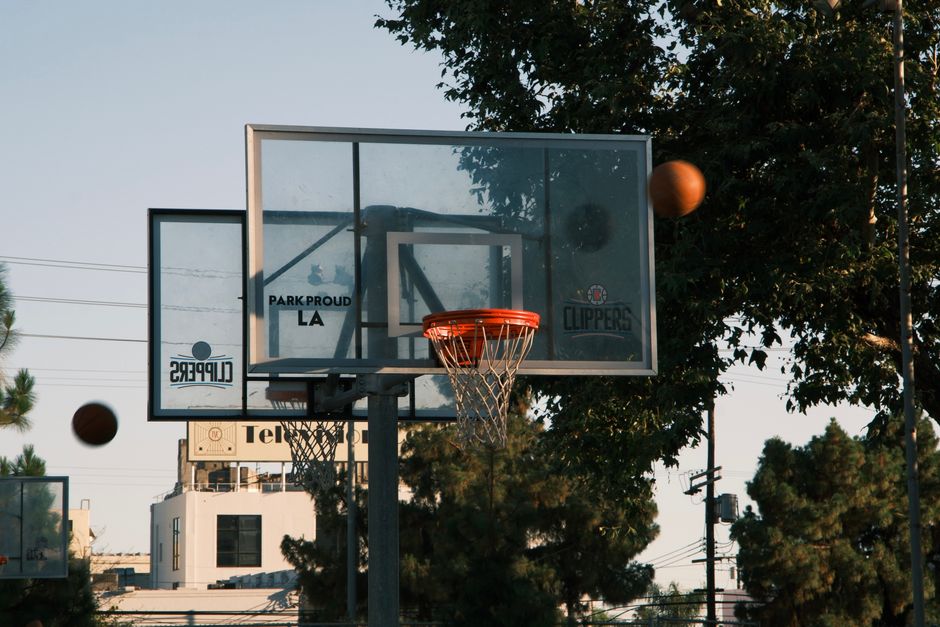
On Tuesday evenings, the asphalt courts at Hollenbeck Park in Boyle Heights transform into a patchwork of basketball games, each one humming with competitive energy. These aren't professional athletes—they're teachers, construction workers, nurses, and students who've become the backbone of Los Angeles's flourishing amateur sports ecosystem.
What started as informal pickup games has evolved into something far more structured. The Boyle Heights Recreational League, run almost entirely by volunteers, now manages over 150 registered players across three divisions. Annual membership costs just $45 per player, a fraction of what commercial youth sports charge. Similar stories are unfolding across the city: the Mar Vista Softball Collective operates out of Crescent Heights Park with zero budget from city recreation departments, while the Koreatown Running Club has grown from eight founding members in 2019 to nearly 400 active participants.
The movement reflects a broader shift in how Angelenos approach community engagement. According to data from the LA Parks Foundation, recreational league participation has surged 34 percent since 2022, driven largely by hyper-local organizing rather than top-down programming. What these grassroots organizers have discovered is simple but powerful: people will show up if someone removes the barriers.
Take the Westchester Volleyball Alliance, which operates out of aging public courts near LAX. Founder and volunteer coordinator Maria Chen realized that traditional club volleyball required $400-plus seasonal fees. Her solution: negotiate court access with city parks, recruit coaches willing to volunteer, and cap participation fees at $60. Within eighteen months, the league had grown to six divisions and a waitlist.
The financial model is surprisingly lean. Most leagues operate on razor-thin margins, generating revenue through membership fees and occasional fundraisers while reinvesting directly into equipment, court maintenance, and referee compensation. The Eastside Community Tennis League, which serves Lincoln Park and surrounding neighborhoods, raised $8,000 through a single pancake breakfast to fund summer programming for kids.
City officials have begun recognizing the value of this distributed model. The LA Department of Recreation and Parks now offers streamlined permits specifically for grassroots leagues, reducing paperwork that once deterred volunteer organizers.
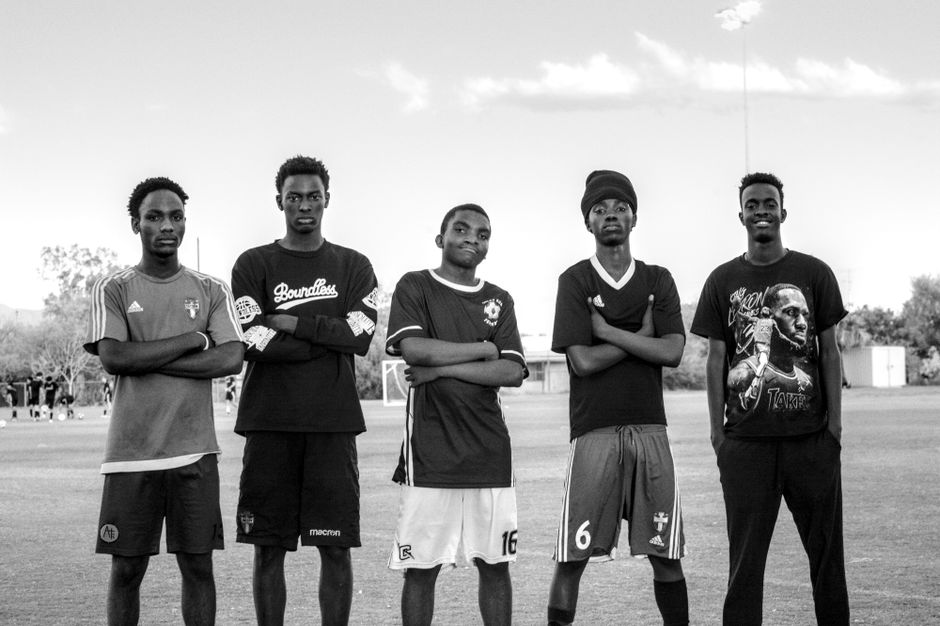
What's particularly striking is the demographic diversity these leagues attract—something that standard commercial sports often fail to achieve. Hollenbeck's basketball league reflects the neighborhood's makeup: roughly 65 percent Latino players, with growing participation from Armenian and Vietnamese community members.
As Los Angeles confronts rising costs and shrinking public resources, these volunteer-driven leagues represent something increasingly rare: a commons that actually works. They're proof that world-class cities don't need expensive infrastructure to foster sporting culture—they need passionate people willing to show up, week after week, to build something together.
This article was compiled by AI from the sources linked above and screened before publishing. See our editorial standards.