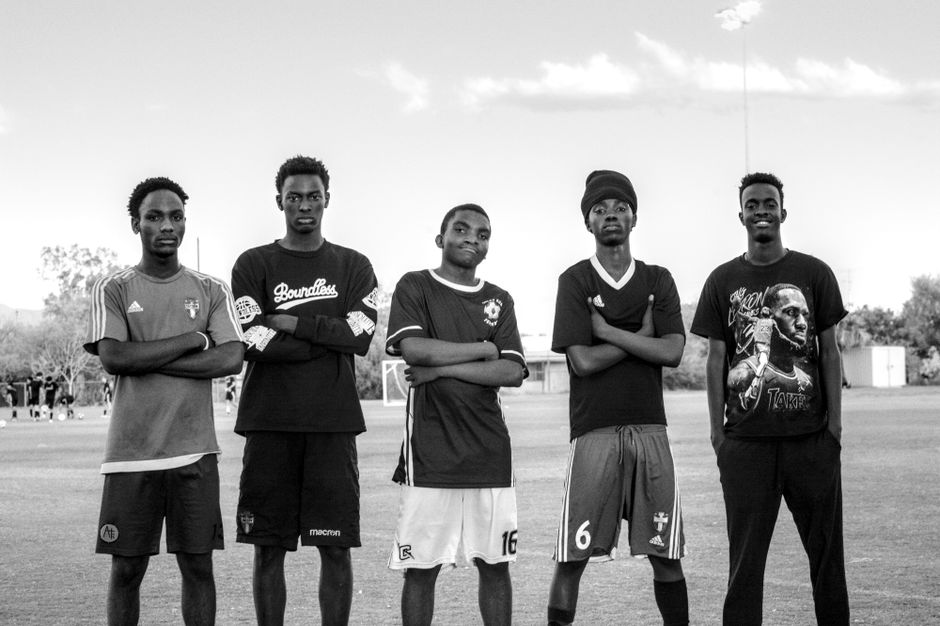
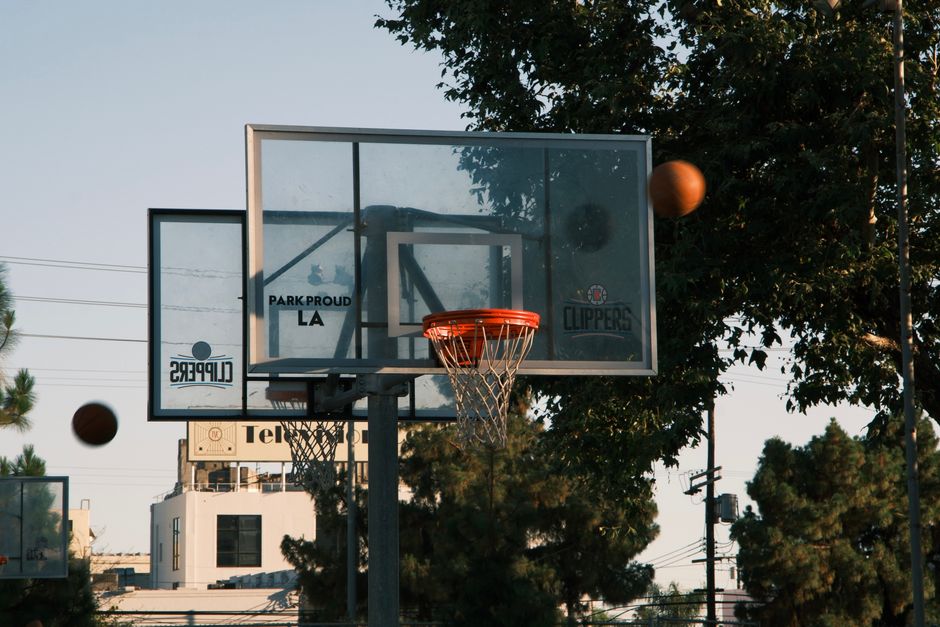
Walk past the cracked asphalt courts on South Figueroa Street in South Central Los Angeles on any Tuesday evening, and you'll witness something remarkable: dozens of teenagers shooting hoops under donated LED lights, their sneakers drumming against freshly repaired surfaces. This isn't the Crypto.com Arena. It's the beating heart of LA's grassroots sports revolution.
For decades, Los Angeles's major stadiums—SoFi, the Forum, Intuit Dome—have dominated the city's sporting narrative. But increasingly, community organisations are rewriting that story from the ground up, transforming underutilised parks and schoolyards into legitimate training grounds for youth athletes who might otherwise never access professional-level coaching.
Organisations like LA84 Foundation have invested over $180 million since 1984 into youth sports infrastructure across the city's most underserved neighbourhoods. In Boyle Heights, where per-capita sports funding historically lagged wealthier westside communities, renovated basketball courts at Evergreen Recreation Center now host three youth leagues serving more than 400 young athletes annually. Average programme fees? Just $45 per season—a fraction of private club costs that can exceed $3,000 yearly.
The impact ripples outward. When Elysian Park's baseball diamonds received $2.3 million in community-funded upgrades last year, participation jumped 67 percent. Highland Park's track renovation, completed in 2024 with support from local businesses and municipal grants, has already produced two athletes now competing at collegiate level.
What distinguishes this movement is its philosophy: accessibility over exclusivity. The Midnight Basketball League, operating courts in South LA until 11 p.m., provides safe evening spaces while building athletic development. Meanwhile, organisations operating out of cramped spaces on Vermont Avenue and along Sunset Boulevard have pioneered scholarship programmes that have sent over 1,200 young Angelenos to universities on athletic scholarships since 2015.
City officials recognise the momentum. The Department of Recreation and Parks recently committed $50 million over five years to upgrade 30 community facilities, explicitly prioritising neighbourhoods where household incomes average below $35,000 annually. These aren't elaborate structures—they're practical investments in functional courts, proper lighting, and qualified coaching.
As major venues continue attracting international events and professional franchises, these neighbourhood organisations operate with quiet determination, proving that transformative sports culture emerges not from gleaming new stadiums, but from communities deciding their young people deserve opportunity. In Los Angeles, the real game is being played on the corners where it matters most.
This article was compiled by AI from the sources linked above and screened before publishing. See our editorial standards.