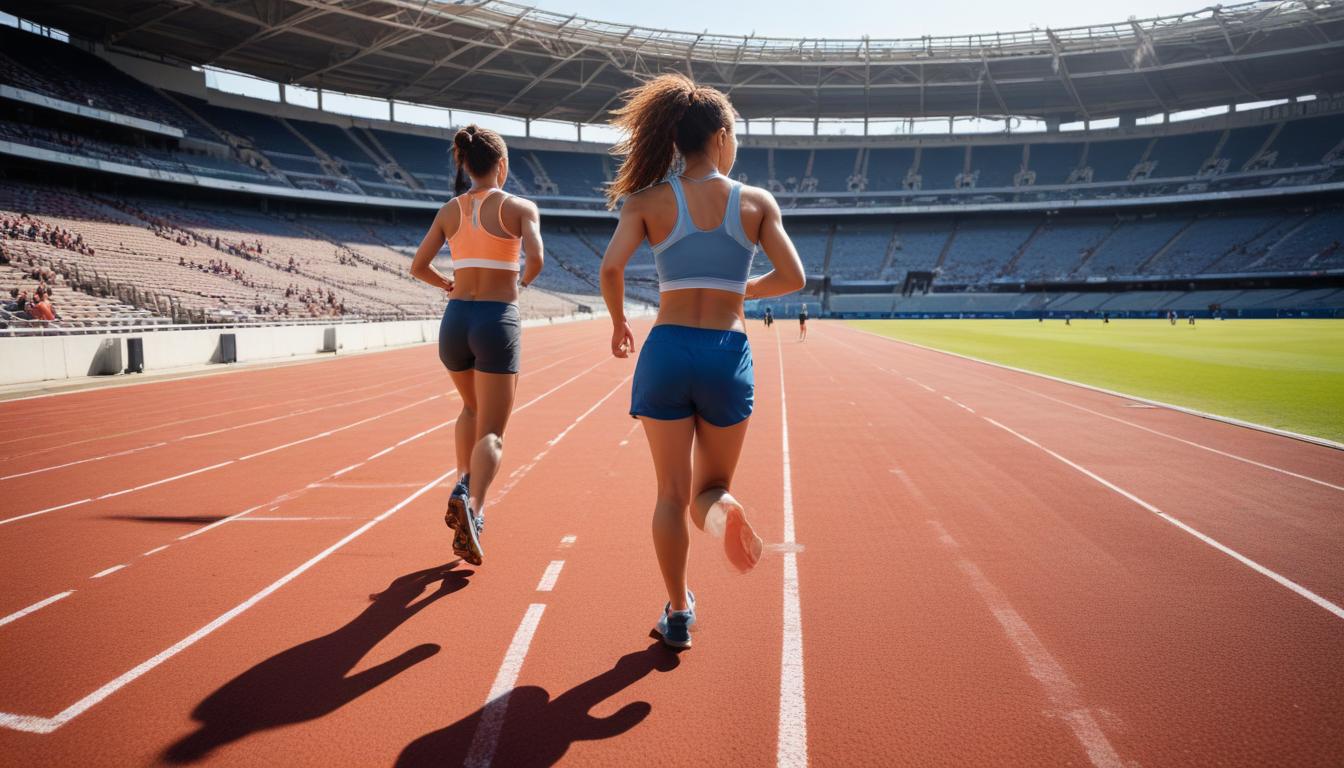
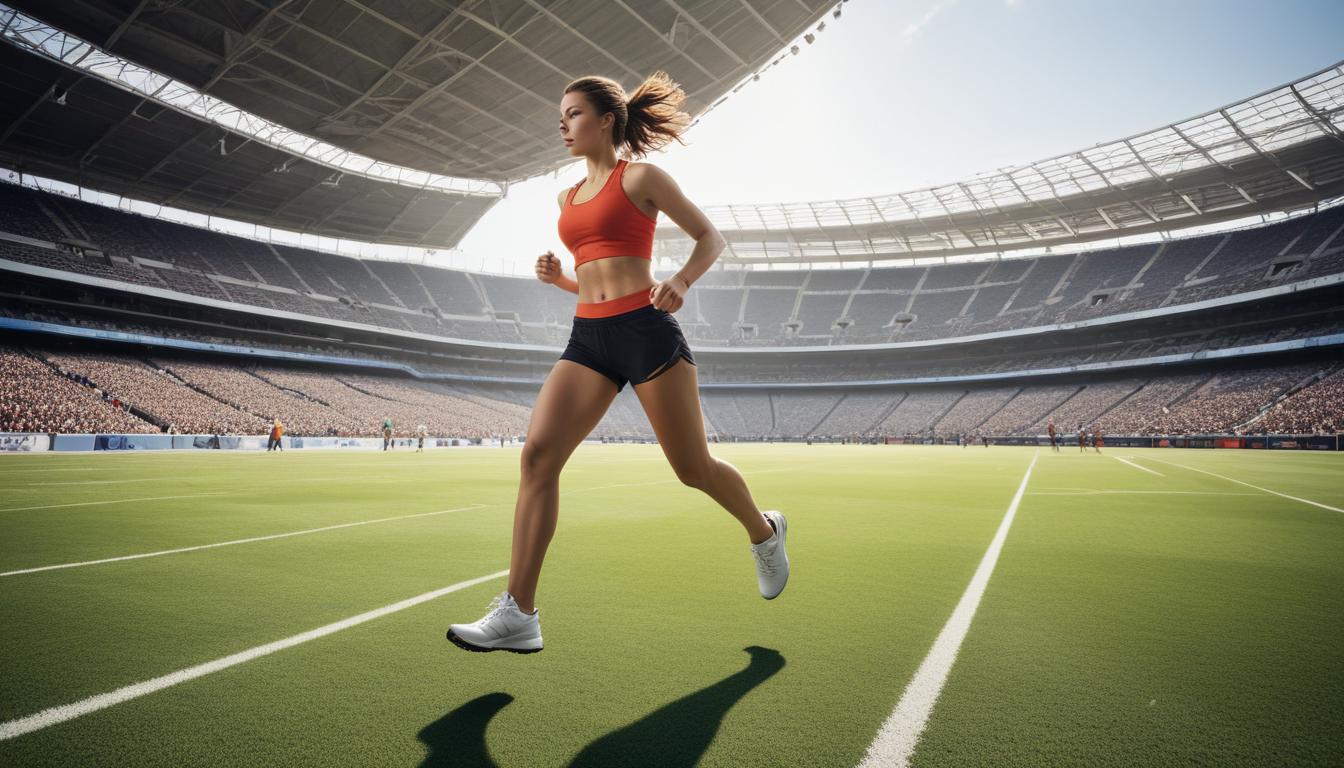
Los Angeles has long been synonymous with car culture, but a quieter revolution is underway. The city's runners, cyclists, and triathletes now have access to some of the most sophisticated endurance sport infrastructure in North America, transforming LA from a fitness afterthought into a genuine training hub for competitive athletes.
The expansion of the LA River Greenway has been transformative. The multi-use path now stretches over 50 miles, with the most recent segments through Downtown and Long Beach completed in the past three years. For distance runners and cyclists, it's become indispensable—a traffic-free corridor that connects neighborhoods from Griffith Park to the Pacific. Monthly participation on the Greenway exceeds 100,000 users, according to LA County Parks data, with evening and weekend crowds demonstrating genuine demand.
But infrastructure extends beyond single pathways. The Marvin Braude Bike Trail, running 22 miles along the coast from Will Rogers State Beach to Torrance, remains the crown jewel for cyclists and triathletes preparing for endurance events. Weekend mornings see hundreds of cyclists logging base-building miles before dawn, while the protected lanes have reduced cycling incidents by approximately 35 percent since full protection was implemented in 2023.
Inland, the infrastructure story is equally compelling. The newly renovated Griffith Park offers elevation training that rivals dedicated mountain venues, with well-maintained fire roads accommodating trail runners and gravel cyclists. The park's renovation, completed in 2025, added water stations, improved lighting, and expanded parking—amenities that encourage serious training sessions rather than casual recreation.
For triathletes, Santa Monica Bay and Long Beach provide open-water swim opportunities, with organized training groups now operating year-round. The LA Triathlon, held each September in Long Beach, draws nearly 4,000 competitors and showcases the region's infrastructure capabilities. Entry fees range from $189 to $249, reflecting premium venue standards.
The economic investment tells the story: municipal spending on cycling infrastructure has increased 240 percent since 2018, while running clubs in LA have grown from roughly 30 organized groups to over 120 in just five years. Specialized retailers have flourished—shops along Abbot Kinney Boulevard and in Silver Lake report consistent growth.
Still, gaps remain. South LA and the San Fernando Valley lag behind coastal neighborhoods in accessible facilities, and many cyclists still navigate incomplete network connections. Yet momentum is undeniable. Los Angeles is no longer asking whether it can support endurance athletes. The infrastructure is answering: unequivocally yes.
This article was compiled by AI from the sources linked above and screened before publishing. See our editorial standards.