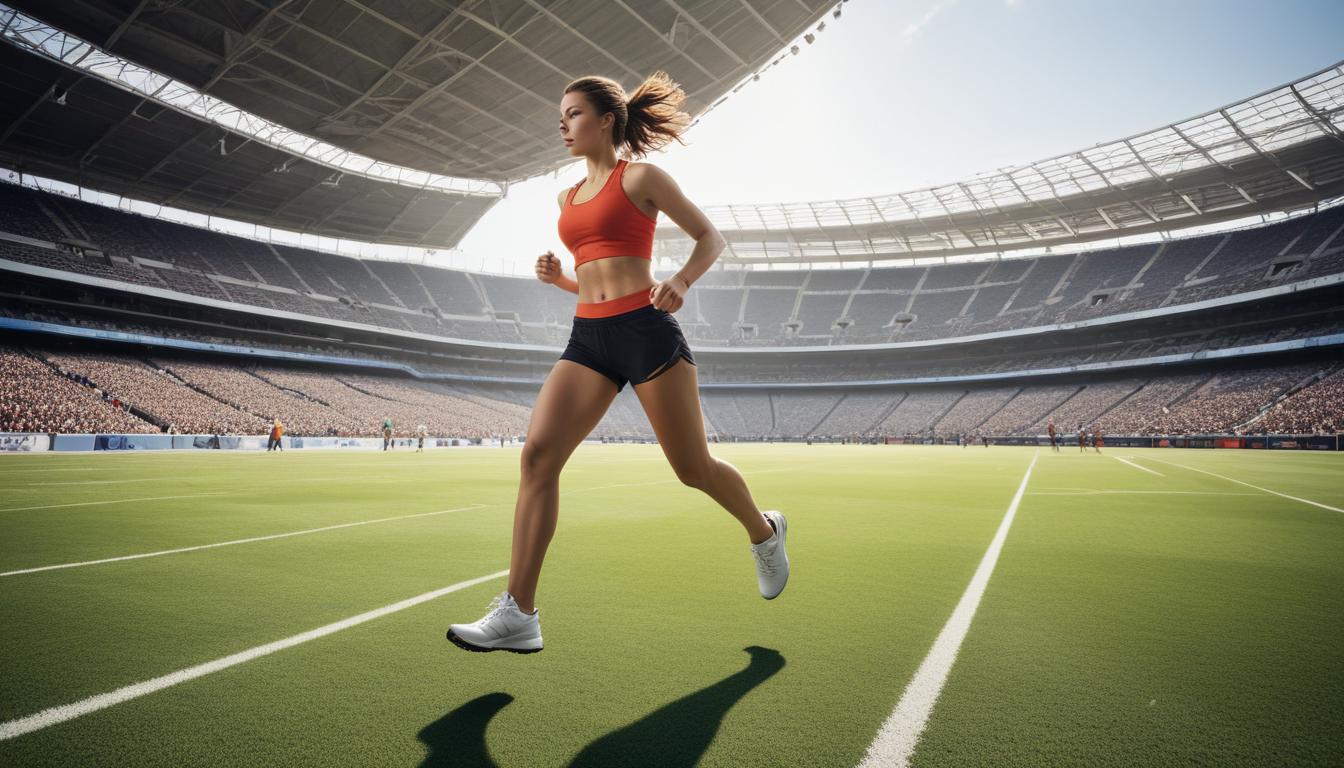
LA's Endurance Athletes Eye Back-Half Surge: The Second-Half Season Blueprint
With summer heat ramping up, local runners, cyclists and triathletes are shifting strategies for the final push toward fall championships.
With summer heat ramping up, local runners, cyclists and triathletes are shifting strategies for the final push toward fall championships.
As Los Angeles heads into the hottest stretch of the year, the endurance sports calendar is heating up just as dramatically. The second half of 2026 promises a grueling gauntlet of qualifying events and championship races that will test the region's growing tribe of runners, cyclists and triathletes—and demand a tactical rethink from anyone hoping to peak when it matters.
The LA Marathon Foundation has already reported that early-season participation in training clubs across Santa Monica, Silver Lake and Echo Park jumped 18 percent compared to 2025. Many of those athletes are now calibrating their efforts toward the autumn racing season, when cooler temperatures and major championship events converge.
"July and August are typically our lowest-participation months," said coordinators at the Griffith Park Cycling Coalition, which monitors usage across the 1,200-acre park. "But we're seeing committed athletes using the heat as a training stimulus—long rides early morning, recovery work in the evening." The organization logs roughly 12,000 weekly visits during peak season; summer numbers typically drop 30 percent.
For triathletes, the stakes are particularly high. The Southern California Triathlon Series, which culminates in regional qualifiers by Labor Day, determines eligibility for the World Age-Group Championships next spring. Entry fees for elite-category events have climbed to $185–$245 per race, reflecting increased course complexity and professional timing infrastructure across venues in Long Beach, Malibu and the San Gabriel Valley.
Heat management is reshaping training calendars. Advanced runners are gravitating toward Tuesday-evening track workouts at Occidental College in Eagle Rock or predawn sessions along the Ballona Creek Bike Path, where temperatures remain 5–8 degrees cooler than inland neighborhoods. Cyclists are adjusting nutrition strategies; local sports nutrition retailers in West Hollywood report a 40 percent uptick in electrolyte and hydration supplement sales since May.
The broader ecosystem is expanding too. Running clubs affiliated with the Los Angeles Running Institute have grown to 47 chapters; cycling advocacy groups like the LA Bike Coalition report their Tuesday night social rides on Spring Street now draw 150-plus participants regularly.
For serious competitors, the calendar doesn't forgive. September's regional triathlon championships, October's LA Mountain Bike Series finals, and November's marathons represent the season's decisive moments. Athletes who've managed their summer training intelligently—respecting the heat while maintaining aerobic fitness—will find themselves in position to execute when the cooler months arrive.
The window for adjusting strategy is closing fast.
This article was compiled by AI from the sources linked above and screened before publishing. See our editorial standards.
How does this story make you feel?
Spread the word
About this article
Published by The Daily Los Angeles
Daily brief
Free, in your inbox before 7am. Weekdays.
More in Sport