As Los Angeles prepares to host World Cup matches in less than a year, a closer look at the region's soccer infrastructure tells a more complicated story than the gleaming renders suggest. While Inglewood's SoFi Stadium and Pasadena's Rose Bowl stand ready for the tournament's biggest moments, the broader ecosystem supporting the sport—from elite training grounds to community pitches—remains a patchwork of investment, neglect, and untapped potential.
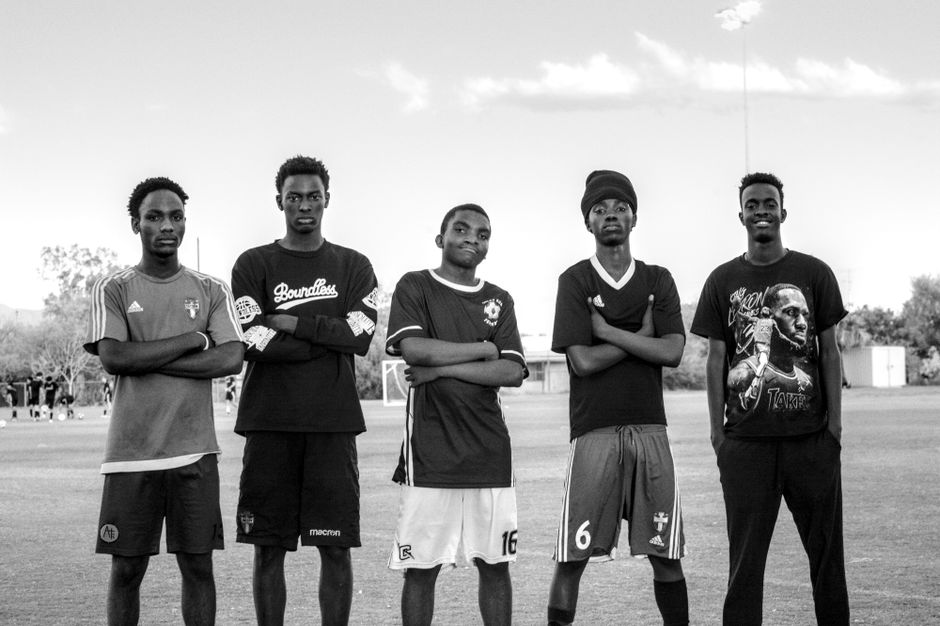
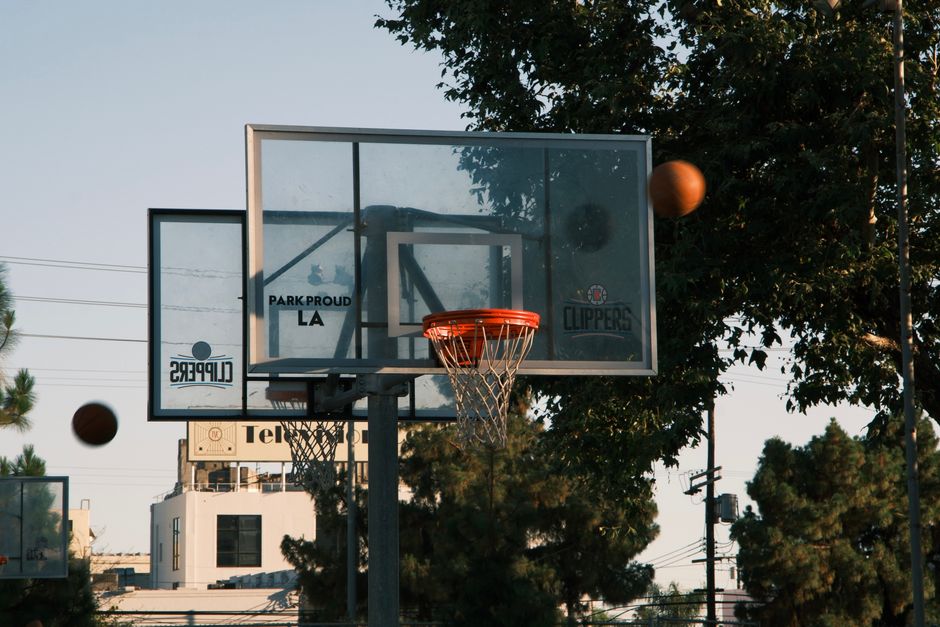
SoFi Stadium, which opened in 2020 in Inglewood, will serve as a primary venue alongside the Rose Bowl, both equipped with modern facilities and FIFA-compliant infrastructure. Yet beneath this marquee-level readiness lies a more fragmented reality. Youth soccer in Los Angeles County—which encompasses over 2,000 clubs and approximately 800,000 young players—often depends on municipal parks that struggle with maintenance budgets. Fields in neighborhoods from South Los Angeles to the San Fernando Valley frequently feature cracked surfaces, inadequate drainage, and minimal lighting for evening matches.
The LA Galaxy's Dignity Health Sports Park in Carson, located roughly 20 miles south of downtown, has undergone incremental upgrades over recent years, but community soccer organizations argue that investment remains concentrated at the professional level. A 2024 Parks and Recreation report noted that over 60% of public soccer pitches across LA County showed signs of significant wear, with replacement and resurfacing cycles extending beyond recommended intervals.
Private training facilities have filled some gaps. Academies in areas like Culver City and the Westside now offer weather-protected indoor turf and coaching infrastructure that mirrors European standards—but at costs ($8,000-$15,000 annually) far beyond working-class families. This creates a two-tier system: well-resourced youth players with access to premium facilities, and the majority navigating understaffed public spaces.
The World Cup spotlight presents both opportunity and pressure. City officials have committed to improved field maintenance in advance of the tournament, and some investment in underserved neighborhoods is planned. However, advocates worry these improvements may be temporary. Without sustained funding mechanisms—such as dedicated revenue from hospitality taxes or corporate partnerships—infrastructure gains risk evaporating after the final whistle.
For a city that claims soccer as central to its identity, the gap between aspirational rhetoric and ground-level reality remains stark. The World Cup will showcase LA's best. Whether it catalyzes broader, equitable investment in facilities serving the city's broader soccer community remains an open question as June turns to July.
This article was compiled by AI from the sources linked above and screened before publishing. See our editorial standards.