From Concrete Courts to Stadium Dreams: How LA's Grassroots Movement Built a Sporting City
Behind every major venue in Los Angeles lies a decades-long community effort to turn neighbourhoods into athletic powerhouses.
Behind every major venue in Los Angeles lies a decades-long community effort to turn neighbourhoods into athletic powerhouses.
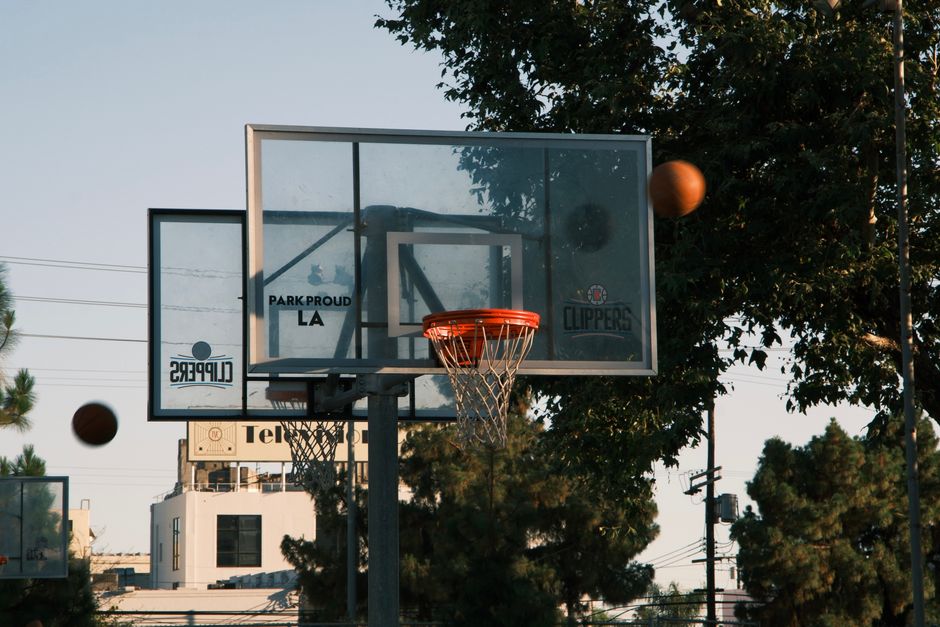
Walk through Boyle Heights on a Tuesday evening, and you'll find something that shaped Los Angeles's entire sporting identity: a chain-link basketball court where teenagers perfect their jump shots under sodium lights. This is where the real story of LA's sporting infrastructure begins—not in gleaming arenas, but in the neighbourhoods where community organisers fought for decades to give kids access to courts, fields, and gyms.
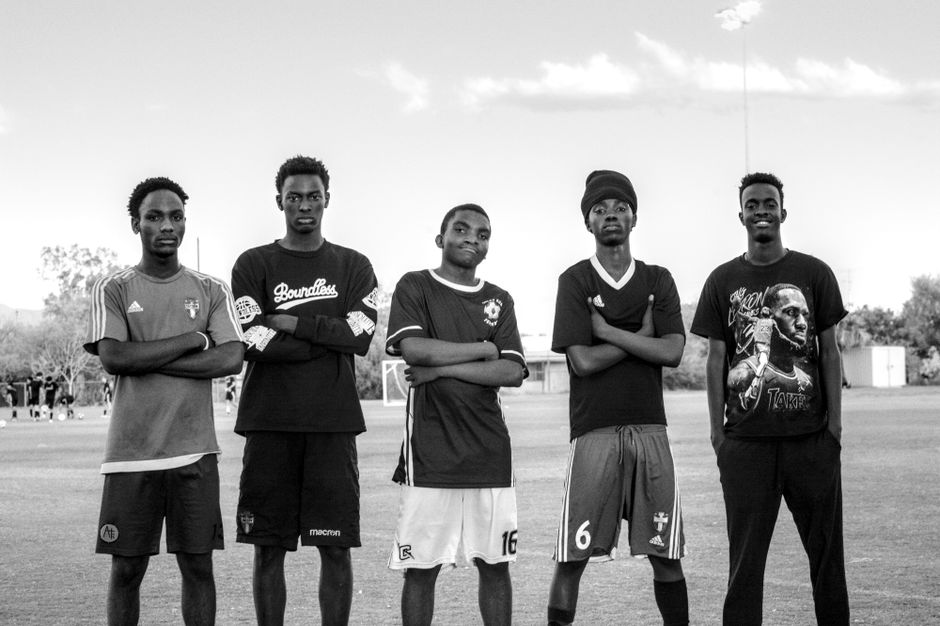
The grassroots sports movement that transformed Los Angeles started in earnest during the 1980s and 1990s, when organisations like the Los Angeles Parks Foundation began a systematic campaign to upgrade recreational facilities across South LA, East LA, and the San Fernando Valley. What began as volunteer-led initiatives—parents painting court lines, local businesses donating equipment—eventually catalysed investment in major venues that would host everything from high school championships to professional competitions.
Today, that legacy is evident across the city. The Sepulveda Basin in the San Fernando Valley now hosts tournaments that draw thousands, supported by a community network that started with neighbourhood clean-up days. Lincoln Park in Lincoln Heights, once overlooked, became a destination for youth soccer after parents formed the Lincoln Heights Youth Athletic League in 1998. That grassroots push eventually convinced the city to invest $8.2 million in facility upgrades.
The numbers tell the story: LA County Parks manages over 500 sports facilities, but fewer than 15% of them existed before 1990 in their current capacity. The rest were community-demanded improvements. In 2019, the city committed $300 million to sports infrastructure—a commitment born directly from decades of advocacy by neighbourhood organisations.
What's remarkable is how this groundswell continues. Organisations like the South LA Sports Alliance now train young athletes while simultaneously building case studies that push municipal investment. Youth sports participation in LA increased 34% between 2010 and 2023, according to Parks and Recreation data, driven almost entirely by community-led programming in underserved areas.
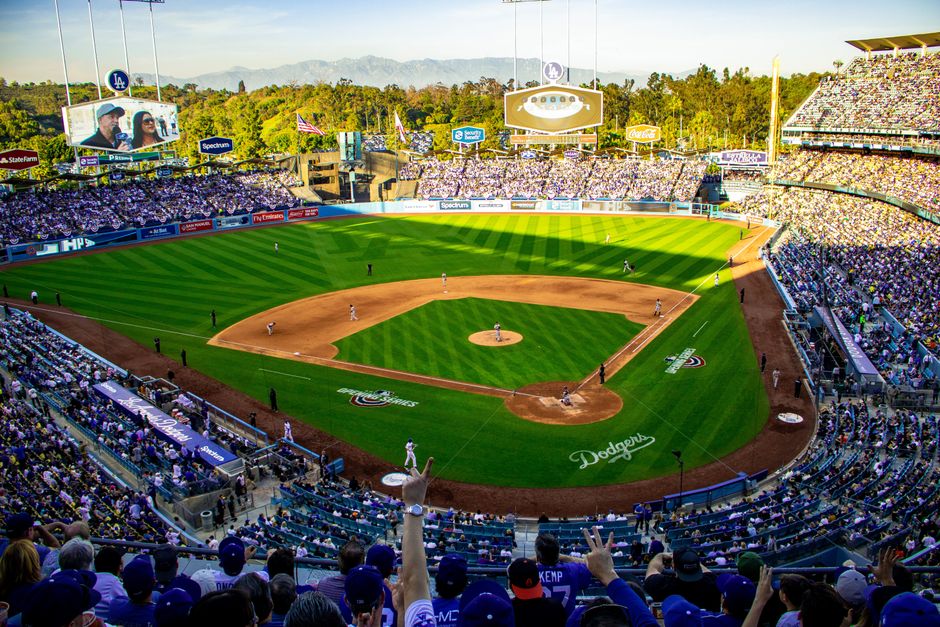
The Coliseum, SoFi Stadium, and the venues hosting major professional leagues exist within a city whose sporting DNA was written by communities demanding access. Before LA became a destination for championship events, it was neighbourhoods insisting their children deserved the same opportunities as anyone else. That grassroots persistence didn't just build facilities—it built a culture where sport belongs to everyone.
This article was compiled by AI from the sources linked above and screened before publishing. See our editorial standards.
How does this story make you feel?
Spread the word
About this article
Published by The Daily Los Angeles
Daily brief
Free, in your inbox before 7am. Weekdays.
More in Sport