Renters in Los Angeles are holding a shrinking advantage over buyers in 2026, and in several ZIP codes that advantage has already vanished. The median home price across the county hit $870,000 this spring, pushing a standard 30-year mortgage payment — at current rates hovering around 6.8 percent — to roughly $4,600 a month before taxes and insurance. The median asking rent for a two-bedroom apartment in the same market sits at approximately $2,950. That $1,650 monthly gap sounds decisive. It isn't.
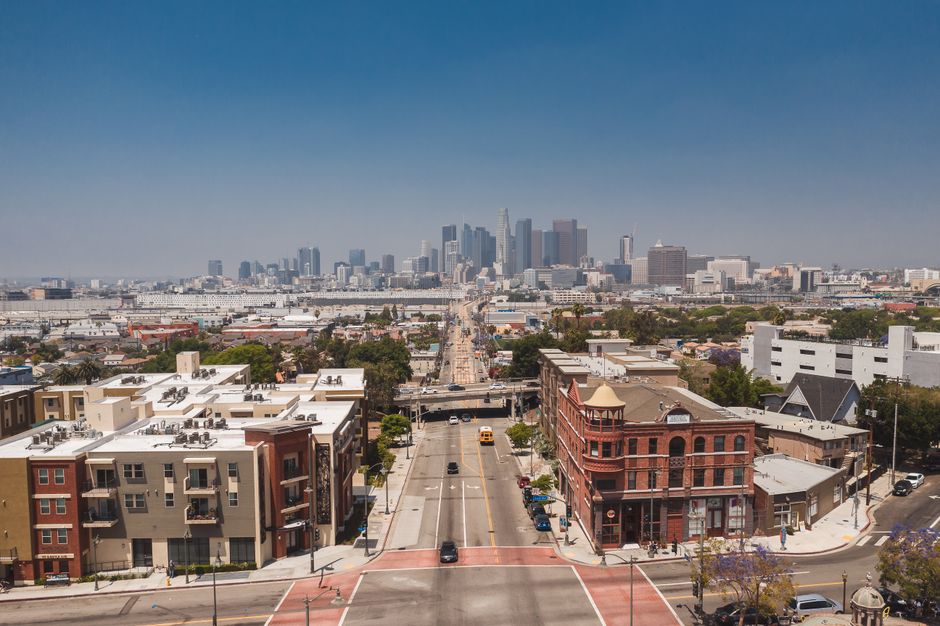
The reason the gap misleads is that it flattens wildly different local conditions into a single citywide number. In Silver Lake, a two-bedroom rental on Sunset Boulevard can run $3,400 to $3,700. In Echo Park, where investor-driven rehabilitation of pre-war bungalows has accelerated since 2024, rents on Glendale Boulevard are averaging closer to $3,200 — and buyers are competing for starter homes priced between $850,000 and $1.1 million. At those purchase prices, the monthly ownership cost and the monthly rental cost are nearly indistinguishable once you factor in HOA fees, maintenance reserves, and property tax under Proposition 13's reassessed baseline.
How LA Stacks Up Against Other Major Capitals
The comparison gets sharper when you pull back and look at how Los Angeles performs against other large metro capitals where renting versus buying tension defines housing policy debates. In New York City — currently absorbing a flood of celebrity-adjacent real estate attention following a high-profile Manhattan ceremony this week — the median rent for a two-bedroom in Manhattan runs above $4,500, making LA's rental market look almost hospitable. Washington D.C., where extreme heat cancelled Fourth of July events this weekend and forced thousands indoors, has a median two-bedroom rent of around $2,800, but entry-level purchase prices in neighborhoods like Capitol Hill and Columbia Heights have crossed $700,000, making its rent-to-buy ratio structurally similar to East LA.
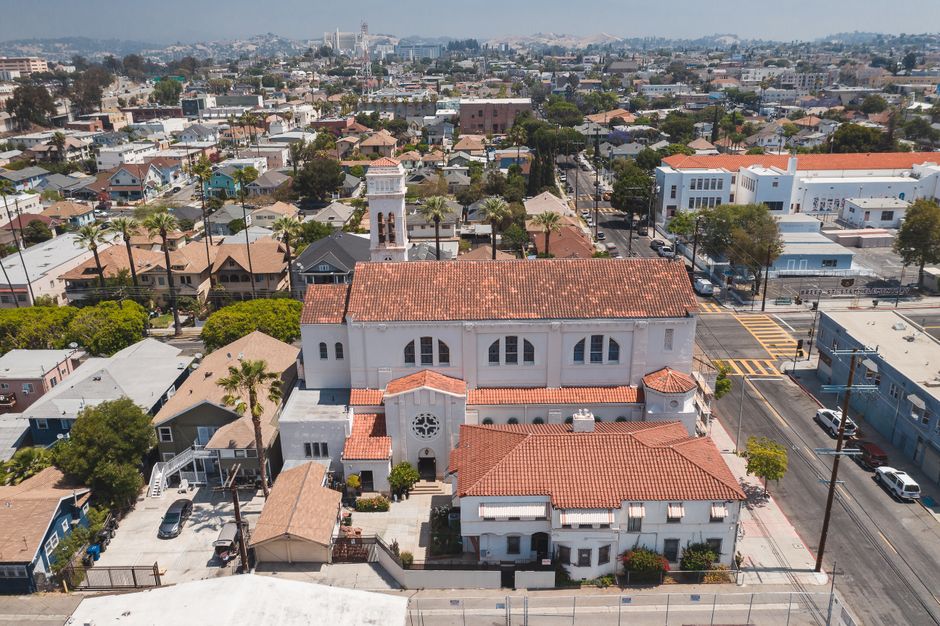
East LA is where the affordability story gets genuinely complicated. The neighborhood, which has seen consistent commercial and residential investment along César Chávez Avenue since the Metro A Line extension opened new commuter patterns, still has median rents below $2,500 for a two-bedroom — one of the last sub-$2,500 corridors in the city. But home prices there have climbed to a median of roughly $680,000, a 22 percent increase over 36 months. For a first-time buyer using a CalHFA Dream For All shared appreciation loan — the state program that provides up to 20 percent of the purchase price — the monthly payment gap versus renting narrows to under $600. That changes the calculus for households earning between $90,000 and $120,000 a year, who previously couldn't reach a down payment.
The ADU boom has added a wrinkle. Los Angeles County permitted more than 22,000 accessory dwelling units in 2025, the highest single-year figure on record. A significant share of those units are hitting the rental market in 2026 at rates between $1,800 and $2,400 — below the area median — because owners built them primarily to generate income from underused backyard space rather than to maximize return. In Hollywood Hills, where new ADU rentals are appearing on streets like Beachwood Drive and Mulholland, this secondary inventory is creating a two-tier rental market that doesn't show up cleanly in aggregate data.
What Renters and Buyers Should Do Right Now
For anyone sitting on the fence in mid-2026, the calculus depends heavily on time horizon and neighborhood trajectory. Renters who lock into a 12-month lease in East LA or Cypress Park this summer are effectively betting that prices plateau or correct before 2027. Buyers who stretch into Silver Lake or Los Feliz at current prices are betting on long-term appreciation in a city where supply constraints are structural, not cyclical.
The Los Angeles Housing Department's Office of Rent Stabilization is currently updating its 2026 allowable rent increase schedule, with a decision expected by August 1. For tenants in RSO-covered units — buildings constructed before October 1978 — that figure will directly determine affordability for the next 12 months. Anyone whose building falls outside RSO coverage should be negotiating lease terms now, before summer inventory tightens further. The window, based on the last three years of seasonal data, closes around Labor Day.