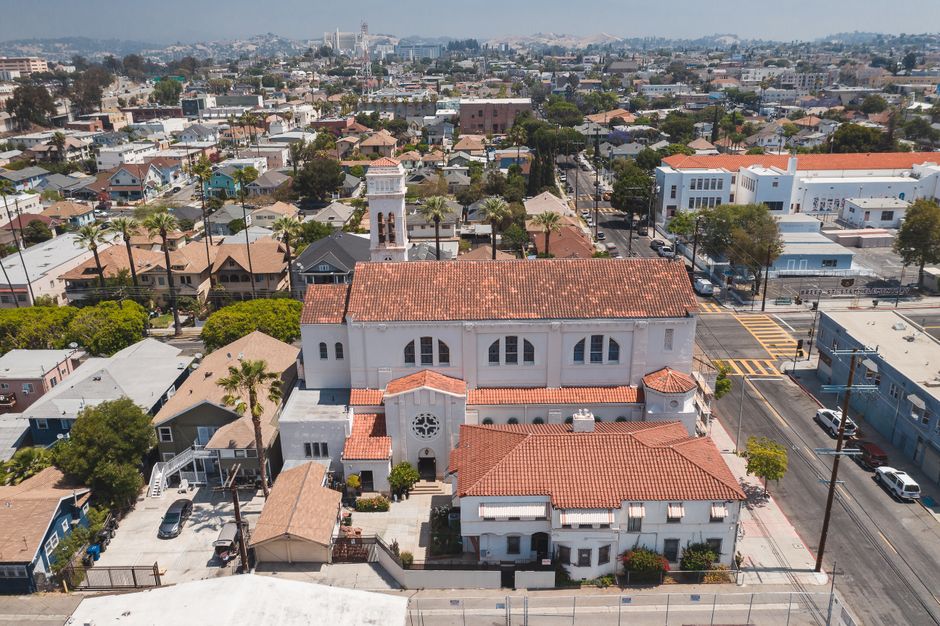
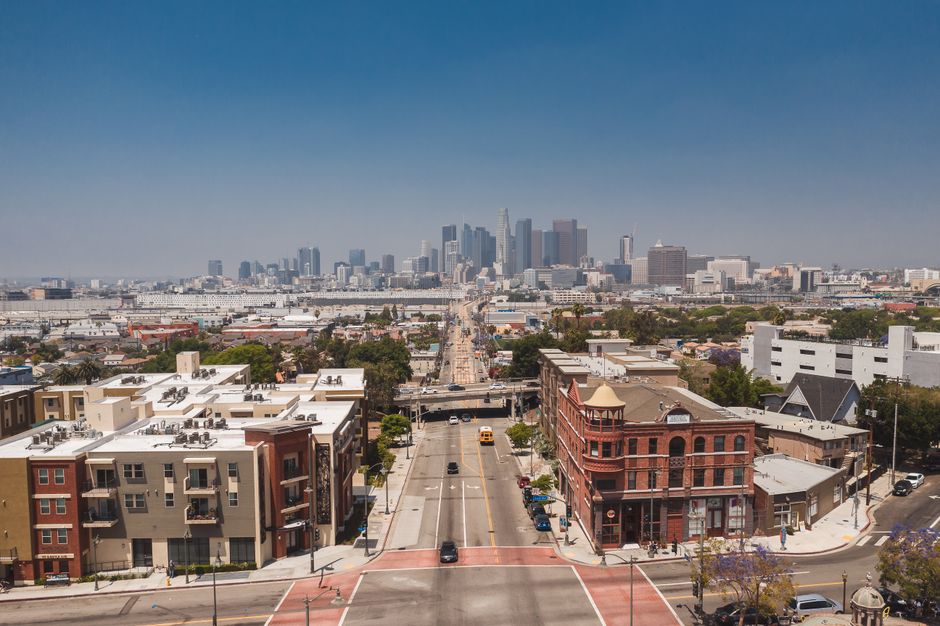
The offers are coming in at seven figures, they're waived on inspections, and they're closing in ten days. For anyone trying to buy a home in Los Angeles right now without a portfolio behind them, the spring of 2026 has been a brutal reintroduction to a reality many thought had passed: investor money is back, and it's reshaping nearly every price tier in the market.
Through the first half of 2025, rising debt costs and a sputtering rental market had pushed a significant share of institutional buyers to the sidelines. That pause is over. Data from the California Association of Realtors shows investor-type purchases—transactions by LLCs, corporations, and repeat buyers acquiring non-primary residences—climbed back to roughly 22 percent of closed sales in Los Angeles County during the second quarter of 2026, up from a low of around 14 percent in mid-2024. The county's median home price has moved in lockstep, hitting $870,000 in June, a figure that would have seemed stubborn eighteen months ago but now looks like it has legs.
The timing matters for a specific reason. Mortgage rates have dipped to around 6.4 percent on a 30-year fixed after the Federal Reserve's two cuts late last year, still elevated by historical standards but low enough to reactivate buyers who had been waiting. For investors—many of whom operate on shorter loan horizons or buy outright—the rate environment matters less than the directional signal. Rates falling even modestly tells the leveraged buyer that the floor is in.
Where the Pressure Is Landing
The neighbourhoods feeling this most acutely are the ones that never fully cooled. Silver Lake, which saw a median single-family sale price of approximately $1.15 million last month according to Zillow tracking, has recorded multiple-offer situations on nearly 60 percent of listings that have gone into escrow since April. On Rowena Avenue and along the streets that ring the reservoir, small-lot homes that would have sat for thirty days in 2024 are now gone in under a week.
East Los Angeles is getting hit differently but just as hard. Investors there are targeting duplexes and properties with ADU potential—precisely the stock that first-time buyers and local families have been counting on. The city's ADU Accelerator Program, which fast-tracks permit approvals for accessory dwelling units in underserved communities, has inadvertently flagged those same properties as high-yield targets. A two-bedroom bungalow with a detached garage on Cesar Chavez Avenue that would have appraised around $680,000 two years ago is now drawing investor bids pushing past $780,000.
Even the luxury end is feeling the compression differently than expected. In Bel Air and the Hollywood Hills, all-cash transactions above $3 million climbed 18 percent year-over-year in the first half of 2026, according to a market report from Douglas Elliman's Beverly Hills office. High-net-worth buyers—some of them domestic, a notable portion arriving through EB-5 adjacent pathways—are treating the top of the market as both a lifestyle and a hedge play.
What Buyers Can Actually Do About It
For non-investors, the options are constrained but not empty. Buyer's agents in the mid-market range—say, $750,000 to $950,000—are increasingly coaching clients to look at probate sales and listings that have had price reductions, categories that tend to draw less investor interest because of timeline uncertainty. The Los Angeles County Superior Court probate docket regularly lists dozens of properties in various stages of sale approval, and those homes, while slower to close, face a narrower field of competing bids.
The California Housing Finance Agency's Dream For All program, which relaunched earlier this year with a revised shared-appreciation model, is also worth revisiting for buyers who qualify. The income ceiling was adjusted upward in January, which brings more households into eligibility range.
The broader picture heading into the second half of 2026 is a market that has found renewed momentum from a direction most regular buyers were not expecting. Inventory remains thin—active listings in Los Angeles County sat at roughly 9,200 units as of late June, still well below the 14,000-unit baseline considered balanced for a county this size. With investors re-entering from the bottom of the stack and the top simultaneously, the middle-class buyer is once again being asked to compete on someone else's terms.