How Much Rent Is Too Much? The 30% Rule in Practice in Los Angeles
With LA rents soaring and home prices out of reach for many, we break down what the classic affordability rule means in real life.
With LA rents soaring and home prices out of reach for many, we break down what the classic affordability rule means in real life.
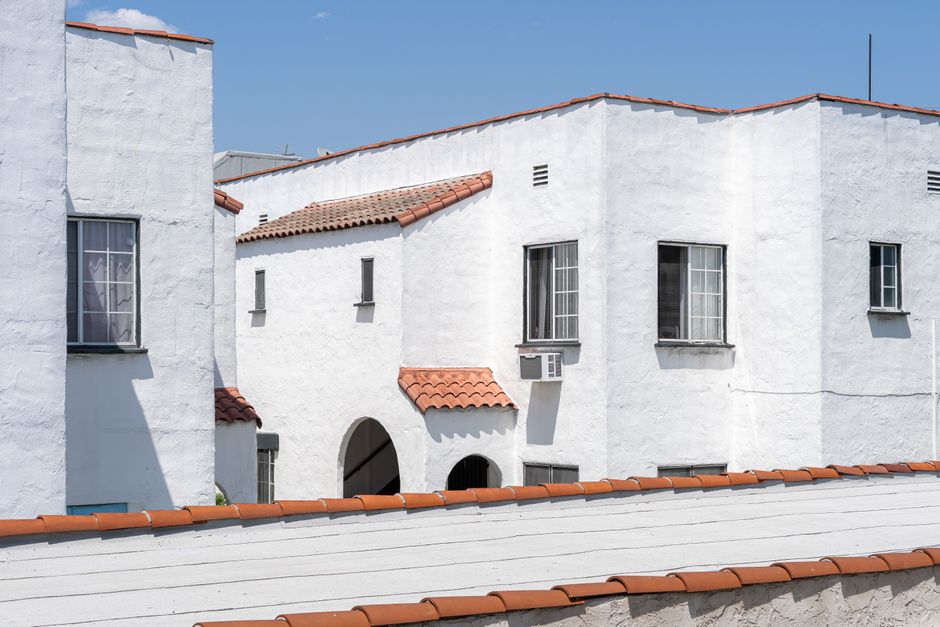
The average apartment rent along Sunset Boulevard in Silver Lake hit $3,250 this June, putting tenants well above the "30% of income" rule that housing experts traditionally cite as the boundary for healthy affordability. For a two-bedroom unit in Los Angeles, more than half of renters now spend more than 35% of their paycheck on housing, according to 2025 data from real estate analytics firm CoStar.
The battle between renting and buying in LA isn’t new—but it’s rarely felt this lopsided. Soaring sale prices, stagnant incomes, and this week’s blistering July heat have all combined to focus attention on housing stability and affordability. With recent brownouts in East Hollywood and grid stress warnings from LADWP, advocates say Angelenos have little wiggle room in their household budgets.
Long-time renter Madeleine Ortiz, who’s lived off Alvarado Street in Echo Park for seven years, says her rent for a one-bedroom climbed from $1,850 in 2020 to $2,540 this spring. “My take-home is $5,400 a month. The math doesn’t work unless I start skipping other bills,” she said, echoing complaints heard by staff at the LA Housing Department. Local programs like Stay Housed LA have reported record call volumes since April, as renters seek advice on everything from emergency assistance to legal rights after rent hikes.
Citywide, median rent for a one-bedroom apartment hit $2,390 in May 2026, according to Zillow. That means a household would need to clear $7,966 a month—or nearly $96,000 a year—to stay at or below the classic 30% threshold. In areas like Koreatown or Sherman Oaks, the numbers barely budge; studios occasionally dip below $2,000, but two-bedrooms push north of $3,200. LA Family Housing, a non-profit operating near North Hollywood, says client intake has doubled since 2023, with rising rents forcing more families into housing insecurity. Meanwhile, the median home price in LA is now $870,000, requiring a six-figure income and more than $130,000 cash for a standard down payment and closing costs, per the California Association of Realtors.
Not surprisingly, nearly 59% of LA tenants are officially "rent-burdened" under HUD’s definition (spending more than 30% of total income on housing). County records show that number rising fastest near new development hotspots such as Downtown’s South Park district and West Adams, where ground-floor luxury has not brought relief for residents paying older building prices.
Financial counselors at local credit unions suggest would-be renters run the numbers on each apartment, taking into account utilities and inevitable annual increases. The LA Tenants Union, whose office just off Melrose Avenue reported a 38% uptick in new membership this spring, points to city rent stabilization rules as a lifeline for those in pre-1978 buildings. Meanwhile, experts urge buyers to carefully weigh the long- and short-term costs of homeownership—rising insurance premiums, property taxes, maintenance—against rent, especially if mobility or job changes loom.
For now, the 30% rule serves less as a realistic goal and more a warning sign for Angelenos. Those able to land deals below it—thanks to older rent-controlled units or below-market rate lottery wins—count themselves fortunate. For most, however, finding shelter in LA means stretching the monthly budget far beyond what planners ever imagined.
How does this story make you feel?
Spread the word
About this article
Published by The Daily Los Angeles
Daily brief
Free, in your inbox before 7am. Weekdays.
More in Property