LA Home Prices Up 6.2% Year-Over-Year, But Q2 Growth Is Starting to Stall
The median sale price hit $870,000 this spring, yet the second quarter's quarter-on-quarter gain was the smallest since 2023 — and buyers are starting to notice.
The median sale price hit $870,000 this spring, yet the second quarter's quarter-on-quarter gain was the smallest since 2023 — and buyers are starting to notice.
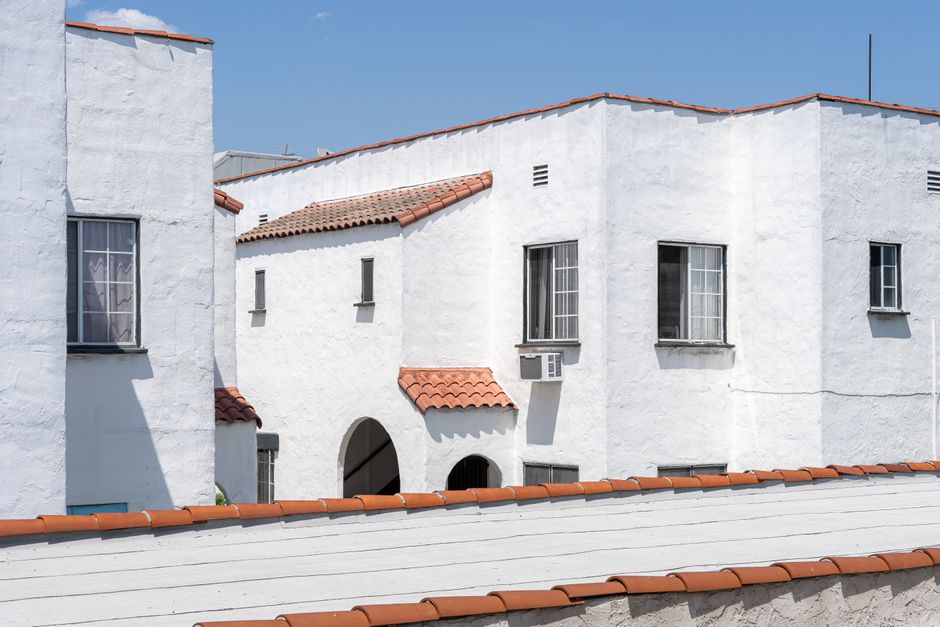
Los Angeles home prices climbed 6.2 percent compared to the second quarter of 2025, but the pace of gains slowed sharply between April and June of this year, according to figures compiled by the California Association of Realtors. Quarter-on-quarter, prices edged up just 1.1 percent — less than half the 2.6 percent jump recorded in Q1 2026. The citywide median landed at $870,000, essentially flat from the $865,000 posted in March.
The timing matters. The Fourth of July weekend traditionally marks the quiet before the fall selling season re-ignites, and agents and economists who watch the LA market say the data arriving right now will set the tone for everything from Culver City condos to Bel Air teardowns through October. With mortgage rates still hovering around 6.7 percent on a 30-year fixed — the Freddie Mac weekly average as of July 3 — buyers who sat on the sidelines in 2025 hoping for relief are facing an uncomfortable choice: jump in now or bet on further softening.
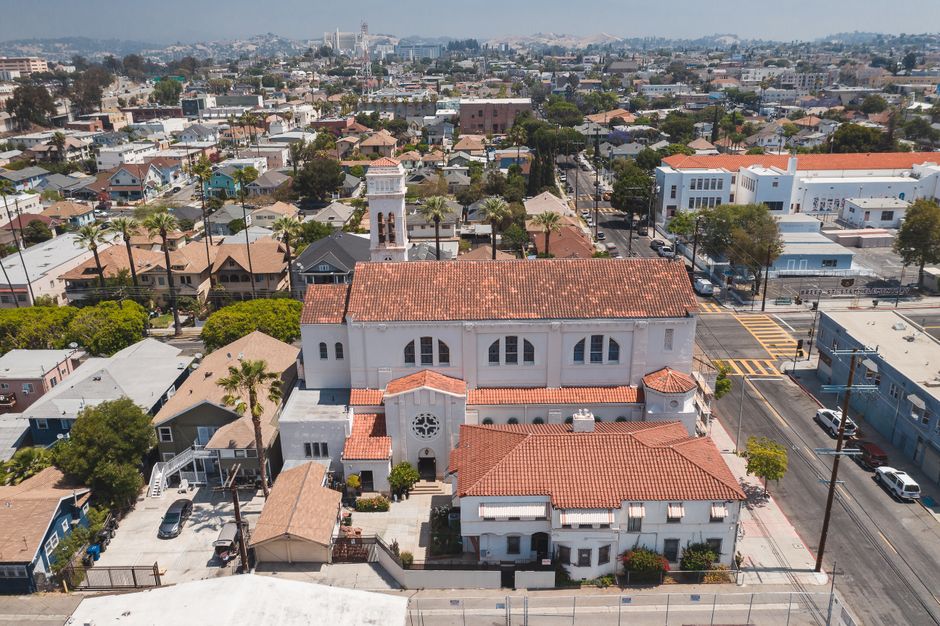
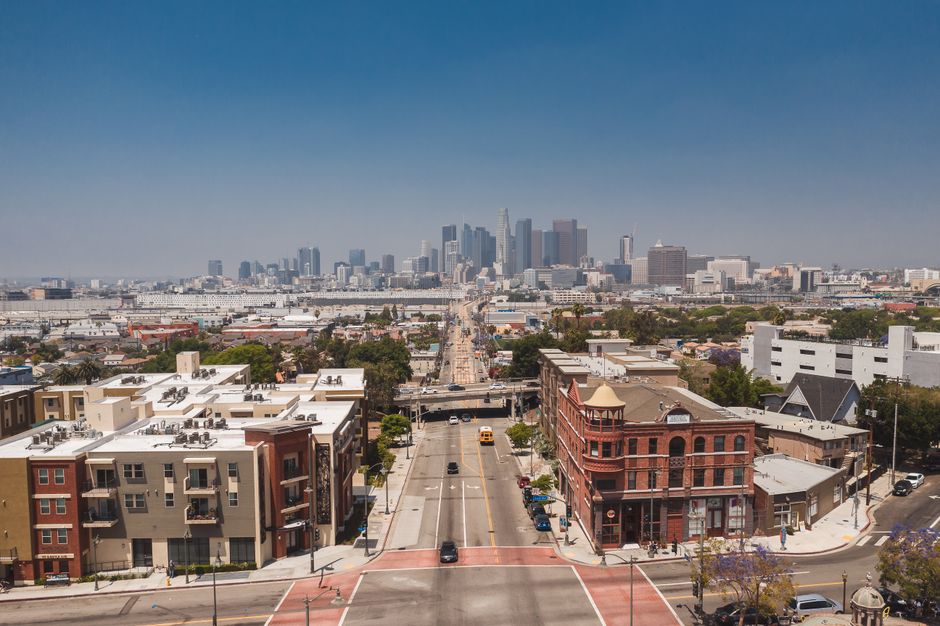
Silver Lake and Echo Park, perennially the bellwethers of mid-market Los Angeles, tell the clearest story. Homes on and around Rowena Avenue in Silver Lake that sold in Q2 2025 for a median of roughly $1.05 million are now trading at $1.12 million — a 6.7 percent annual gain, slightly above the citywide average. Echo Park, still rebuilding its commercial strip along Sunset Boulevard after years of demographic churn, posted a similar 6.4 percent year-over-year rise, with the median closing price crossing $990,000 for the first time on record.
East LA is a different story altogether. The communities east of the 710 freeway — Boyle Heights, El Sereno, City Terrace — registered annual gains closer to 8.5 percent, driven in large part by buyers priced out of the Eastside's trendier ZIP codes. The East LA corridor has also benefited disproportionately from the ADU building boom. The Los Angeles Department of Building and Safety issued 4,312 accessory dwelling unit permits in the first half of 2026, and analysts at UCLA's Ziman Center for Real Estate estimate that roughly 31 percent of those permits were concentrated in communities east of Downtown. That added inventory has done little to suppress prices; if anything, it has made previously overlooked blocks more attractive to buyers who see ADU rental income as a way to cover a higher mortgage.
Luxury is holding, but barely. Hollywood Hills properties above $3 million sat on the market an average of 47 days in Q2 2026, up from 31 days in Q2 2025. Bel Air saw a similar deceleration. The number of closed sales above $5 million in the 90077 ZIP code dropped 18 percent year-over-year, even as list prices remained stubbornly high. Sellers in those brackets have not capitulated on price — they've simply waited, or pulled listings entirely.
The practical math for anyone entering the market this summer is unforgiving. At $870,000 with a 20 percent down payment and a 6.7 percent rate, a buyer is looking at a monthly principal-and-interest payment of roughly $4,520 — about $290 more per month than the same purchase a year ago, even accounting for the slight rate improvement since early 2026. The California Housing Finance Agency's Dream For All shared appreciation loan program, which relaunched with a revised lottery system in March 2026, remains one of the only meaningful affordability levers available to first-time buyers in the city.
Agents working the mid-market — roughly $700,000 to $1.1 million — say the window between Labor Day and Thanksgiving typically produces the year's most rational negotiations. Sellers who list in August tend to be genuinely motivated. Buyers who have their financing locked and their inspectors lined up can move quickly when something lands in Glassell Park or Mount Washington that would have sparked a ten-offer frenzy eighteen months ago. The annual gain of 6.2 percent is real, but the quarterly stall is equally real, and the two facts together suggest a market that is cooling without crashing — which is precisely the moment disciplined buyers have been waiting for.
How does this story make you feel?
Spread the word
About this article
Published by The Daily Los Angeles
Daily brief
Free, in your inbox before 7am. Weekdays.
More in Property