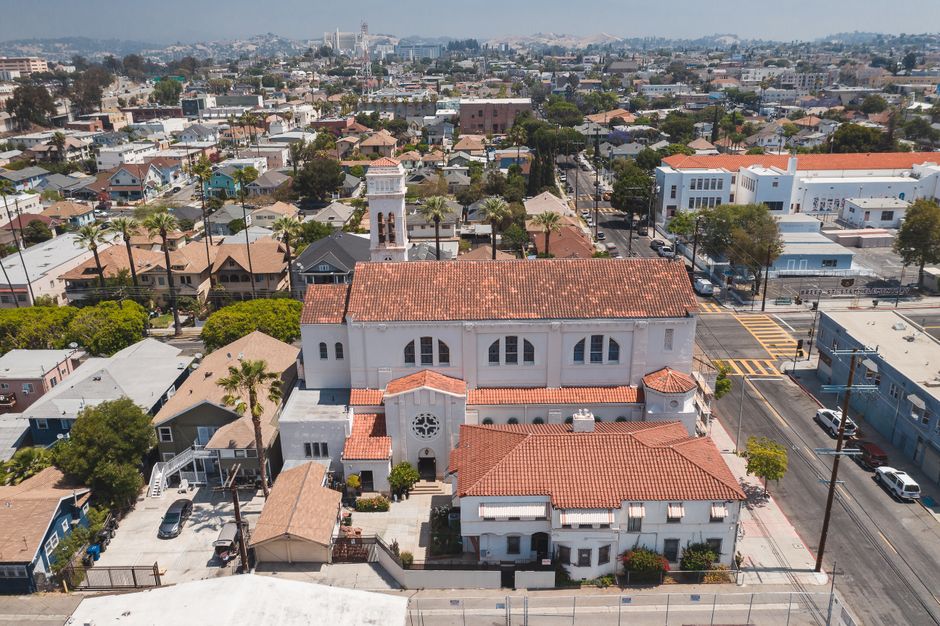
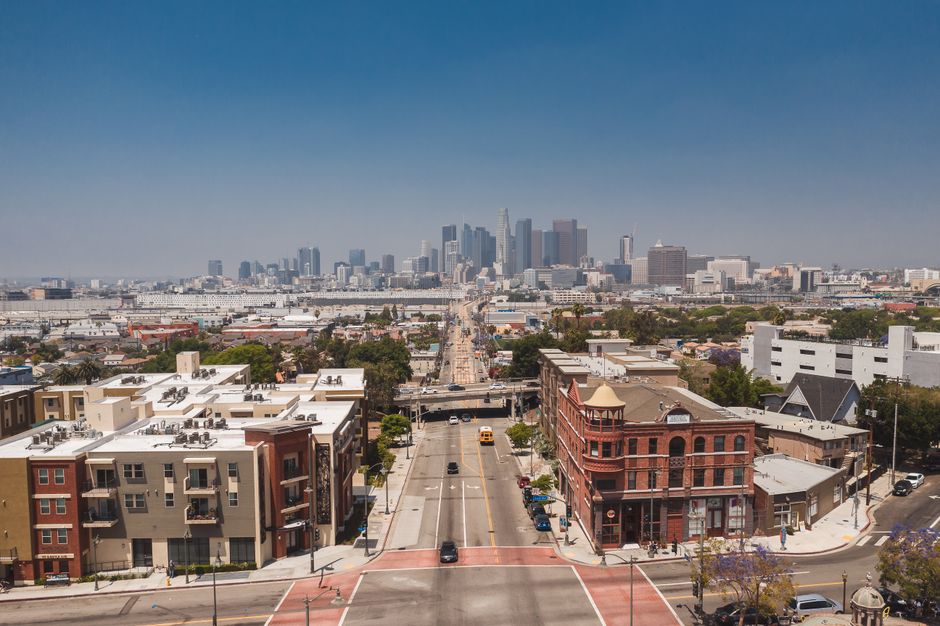
Los Angeles home prices hit a median of $870,000 this July, nudging back toward the record highs that stunned buyers during the 2021 pandemic boom — but agents working Sunset Boulevard open houses and East LA flips say the engine driving this market is fundamentally different from five years ago, and probably more durable.
The comparison matters because the 2021 surge ended badly for a lot of people. Buyers who stretched into adjustable-rate mortgages in Highland Park and Glassell Park watched their monthly payments balloon when the Federal Reserve began hiking rates in March 2022. Some of those same properties are only now recovering their purchase-price value. Understanding what is actually moving the 2026 market — versus what moved the 2021 market — could be the difference between a sound long-term investment and a very expensive mistake.
What 2021 Looked Like, and Why 2026 Is Not a Copy
During the first half of 2021, the California Association of Realtors recorded year-over-year price gains exceeding 30 percent in some Los Angeles ZIP codes. Rock-bottom 30-year fixed mortgage rates — briefly touching 2.65 percent in January 2021 — sent buyers from WeHo to Whittier into all-cash waiver wars, often paying $100,000 or more over asking with no inspection contingencies. The volume was staggering. Homes in Silver Lake were routinely receiving 20-plus offers within 72 hours of listing.
The current picture is more restrained but still aggressive. The 30-year fixed rate is sitting around 6.4 percent as of late June, according to Freddie Mac data, meaning a buyer putting 20 percent down on an $870,000 home carries a monthly principal-and-interest payment of roughly $4,350. That is a real constraint. Yet inventory across Los Angeles County remains historically thin — fewer than 9,500 active single-family listings as of late June, compared to more than 17,000 in July 2019, before the pandemic distorted everything. Scarcity is doing the work that cheap money did in 2021.
East LA is a clear example of the divergence. Along Cesar Chavez Avenue and the streets running south toward Maravilla, two-bedroom bungalows that sold for $520,000 in early 2021 are now listing at $680,000 to $710,000 — a gain of roughly 35 percent over five years. The California Housing Finance Agency's Dream For All shared-appreciation loan program, relaunched in modified form this spring, has pushed a wave of first-generation buyers into that corridor, keeping demand firm even as rates stay elevated.
Silver Lake, ADUs and the New Supply Calculus
Silver Lake and Echo Park tell a more complicated story. The median detached home price in the 90026 ZIP code crossed $1.3 million in May, according to data compiled by the California Regional Multiple Listing Service. But agents working that market note that a significant share of current listings now include permitted accessory dwelling units — backyard cottages or garage conversions that generate rental income and, critically, help buyers qualify for larger loans by counting projected ADU rent toward debt-to-income ratios.
Los Angeles permitted more than 22,000 ADUs in 2025 alone, a record driven by state Senate Bill 9 and the city's own streamlined approval process through the Department of Building and Safety. That new supply is not crashing prices — the units are mostly absorbed as rentals — but it is changing how buyers underwrite purchases in neighborhoods like Atwater Village and Mount Washington, where a detached garage conversion can realistically fetch $2,200 a month in rent.
The Hollywood Hills luxury tier, where properties on Mulholland Drive routinely list above $4 million, is seeing its own version of 2021-style frenzy, with international cash buyers returning after a quieter 2023 and 2024. Bel Air recorded three sales above $12 million in June alone.
For buyers trying to time this market: most housing economists are not forecasting a 2022-style correction, given the supply deficit, but they are warning that the window for negotiating meaningful concessions is closing faster than the headline numbers suggest. Anyone relying on seller credits to cover closing costs should expect resistance by September. Get your financing locked now, and do not skip the inspection — a lesson the 2021 class learned the hard way.