LA's Rental Pinch: How Southern California Stacks Up Against Other Major Cities
Southern California renters face relentless price pressures, but how does Los Angeles compare to both regional and national housing markets for buyers and tenants?
Southern California renters face relentless price pressures, but how does Los Angeles compare to both regional and national housing markets for buyers and tenants?
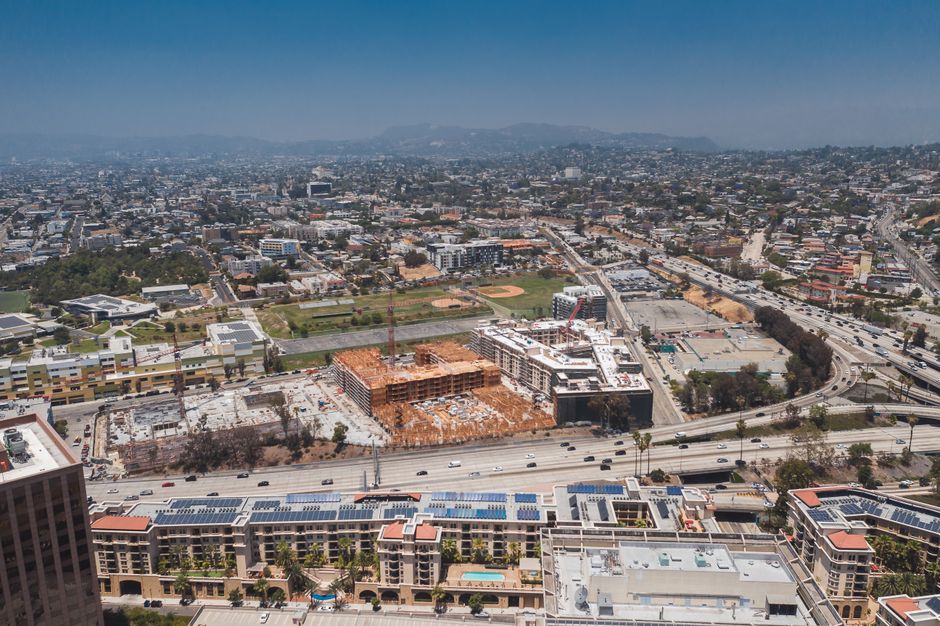
Los Angeles renters are spending a larger chunk of their paychecks on housing than tenants in many other large American cities, with new figures showing L.A. households devote nearly 39% of their monthly income to rent — the highest share of any major metro outside of New York and Miami.
The findings come as record heat cancels Fourth of July events from DC to Philadelphia and an extended heatwave forces families indoors, emphasizing the double bind facing Angelenos: Many can’t afford local home prices, but renting is no bargain. Typical rents in LA County, around $2,800 for a two-bedroom, cross a psychological threshold for working families already squeezed by soaring insurance, transportation, and energy costs. The National Multifamily Housing Council said this week that Southern California’s occupancy rates hover around 95% — tighter than Chicago, Dallas, or even Washington, DC.
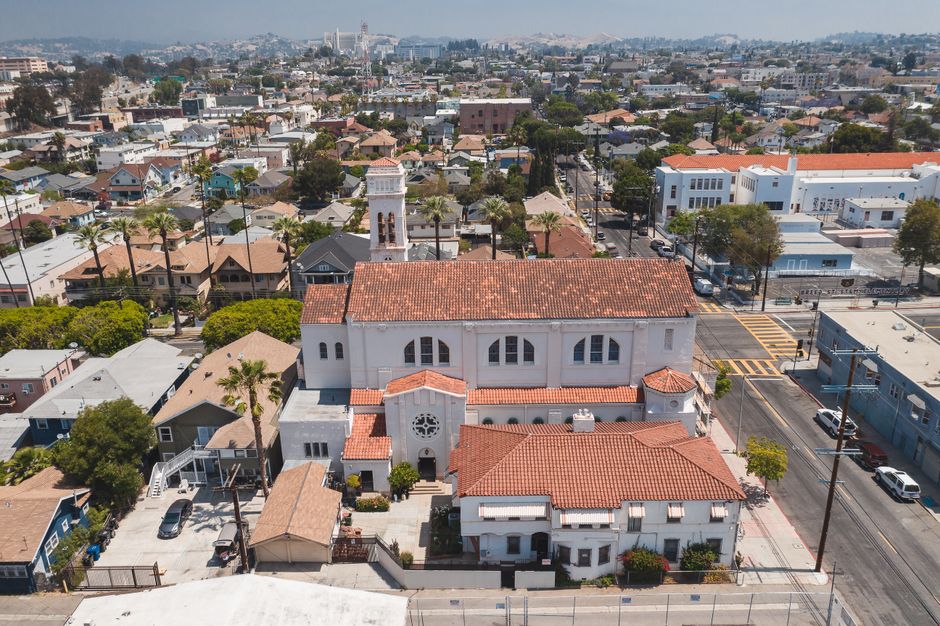
The appeal of renting in Los Angeles’ Eastside neighborhoods, like Echo Park and Boyle Heights, is fading as prices catch up to longstanding hotspots on the Westside. On Sunset Boulevard, a new wave of mid-rise buildings offers residents rooftop pools but at monthly rents above $3,100 for a one-bedroom. Even in what used to be considered entry-level neighborhoods such as Glassell Park or Highland Park, rents have outpaced inflation. "It’s no longer true that you can save by living further east," said one local property manager.
Despite a building boom in Accessory Dwelling Units (ADUs) — with Los Angeles Department of Building and Safety reporting nearly 17,000 ADU permit applications last year — the median home price rose to $870,000 in 2026, according to CoreLogic. By comparison, Las Vegas and Phoenix report median home prices under $480,000, while rents in those cities average $1,750 and $1,900 respectively. The gap partly explains why, according to the U.S. Census Bureau’s latest survey, nearly 52% of LA County residents rent versus only 37% in cities like Dallas.
On the luxury end, listings in the Hollywood Hills and Bel Air regularly break the $10 million mark, but everyday buyers report spending over 7.6 years’ worth of gross income to break into the market — longer than in Bay Area or Seattle, but shorter than the stretch faced by New Yorkers. Meanwhile, policy programs like Measure ULA, which adds a surcharge on luxury property sales, have helped fund local rental assistance but have yet to dent rent inflation rates. L.A.’s rent-stabilization ordinance still covers just under 650,000 units, a fraction of regional need.
Angelinos considering a move face tough math. Buy and lock in a 30-year mortgage with 6.1% interest, or compete for dwindling rental stock? Both paths have risks: A mild dip in home prices is forecast in 2027, but no relief in rents is likely before at least next spring, according to the UCLA Anderson Forecast.
Experts advise keeping a close eye on East LA, where more multifamily developments are slated for groundbreaking in 2027 thanks to city initiatives, including Metro’s Transit Oriented Communities Incentive Program. Families wanting room to spread out may increasingly look at Riverside or San Bernardino counties, both of which added over 6,000 new single-family homes in the last twelve months, with typical rents still under $2,100. For cash-strapped renters — especially those in Koreatown, Pico-Union, and South LA — city rental assistance programs reopen for new applications on July 15 via the Housing and Community Investment Department’s platform.
The tough truth: LA remains one of the most expensive places in America to rent or buy, and the gap with the rest of Southern California is widening — not shrinking. Those weighing their options will need to bring both patience and flexibility, as neither side of the rent-vs-buy equation is offering many bargains in 2026.
How does this story make you feel?
Spread the word
About this article
Published by The Daily Los Angeles
Daily brief
Free, in your inbox before 7am. Weekdays.
More in Property