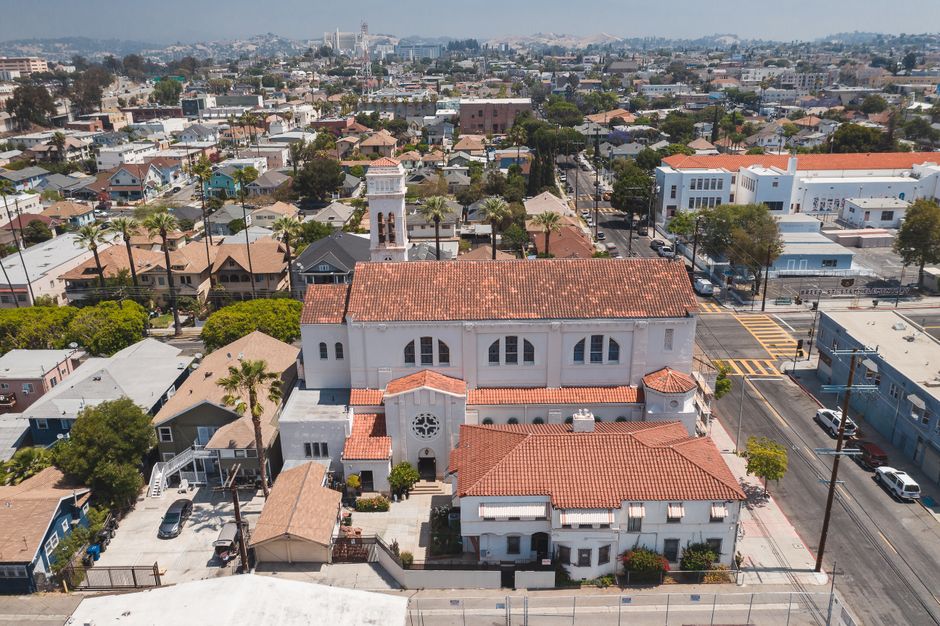
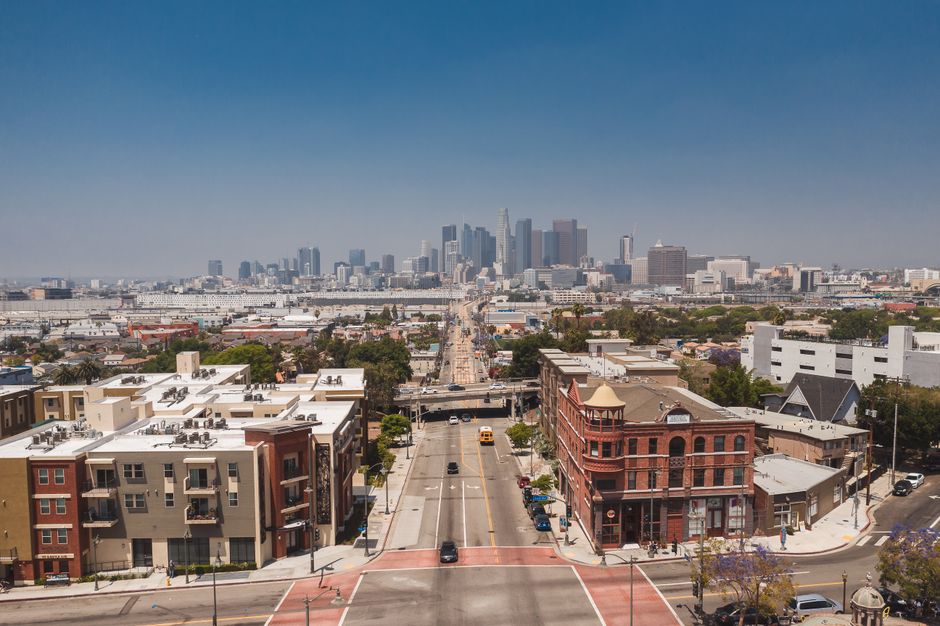
The math stopped working for a lot of people somewhere around Silverlake Boulevard. With the Los Angeles median home price holding at $870,000 through mid-2026, the monthly mortgage on a standard 30-year loan at today's rates clears $5,400 before property tax and insurance. A comparable two-bedroom rental in Silver Lake or Echo Park runs $2,800 to $3,200. That gap — more than $2,000 a month — is precisely why a strategy long popular in high-cost cities is gaining serious traction here: rent-vesting.
Rent-vesting means renting where you want to live while simultaneously purchasing an investment property somewhere cheaper, building equity without sacrificing your Silver Lake coffee shop or your ten-minute commute to Koreatown. It is not a new concept, but the 2026 version of Los Angeles, with inventory still historically tight and jumbo loan thresholds stretched, has given it fresh urgency.
Why the Numbers Favor This Approach Right Now
The Fourth of July holiday weekend has kept many Angelenos indoors — a brutal heat advisory from the National Weather Service has pushed temperatures past 104°F in the San Fernando Valley — but the real estate conversations haven't stopped. Buyers who spent the spring getting outbid on Eagle Rock bungalows or Boyle Heights row homes are rethinking their approach entirely.
The California Association of Realtors reported earlier this year that just 14 percent of LA County households can afford the median-priced home, down from 19 percent in 2023. That affordability floor has created a specific class of high-earning renters — nurses, teachers, junior tech workers, small-business owners — who can qualify for a mortgage but not on anything within 20 miles of their workplace. Rent-vesting offers them a foothold in the ownership economy they cannot get locally.
The mechanics are straightforward. A renter paying $3,000 a month for a one-bedroom in Los Feliz takes that same buying power and purchases a $280,000 duplex in, say, Fresno, Tucson, or El Paso — markets where rental yields of 7 to 9 percent remain achievable. The tenant in that out-of-state property covers most of the mortgage. The LA renter builds equity on paper while staying liquid in the city where their career actually lives.
Several local advisory firms, including Los Angeles-based Beachhead Wealth and the East LA financial planning nonprofit Prosperidad Financial, have started running rent-vesting workshops specifically for first-generation buyers priced out of the communities they grew up in. Beachhead held its most recent session at the Grand Central Market in June, drawing more than 60 attendees.
The Trade-Offs Nobody Mentions in the Podcast Ads
Rent-vesting has real downsides. A landlord managing a property in another state takes on vacancy risk, maintenance calls at 2 a.m., and the complexity of out-of-state tax filings. California taxes rental income earned anywhere, so the state Franchise Tax Board still takes its cut. And rent-vesting does nothing about one of the core psychological complaints of renting in LA — the threat of Ellis Act evictions or rent hikes in buildings without rent stabilization coverage, which excludes units built after 1978 under the city's Rent Stabilization Ordinance.
The strategy also demands discipline. The equity accumulating in Fresno or Tucson only converts to an LA down payment if the owner doesn't spend the cash flow. Financial planners at Prosperidad recommend a minimum five-year hold before attempting to leverage out-of-state equity toward a local purchase — long enough to survive at least one down market cycle in the target city.
For Angelenos seriously exploring the model, the practical starting points are clear: get pre-approved for an investment property loan, which typically requires 20 to 25 percent down and carries rates about 0.75 points higher than a primary residence mortgage; research rent-to-price ratios in secondary markets rather than chasing appreciation stories; and consult a California-licensed CPA before closing anything. The Hollywood Hills isn't getting cheaper. The question is whether building equity elsewhere keeps the dream of eventually owning here alive — and for many Angelenos in 2026, it might be the only play left on the board.