LA Home Prices Are Climbing Again — But This Isn't 2021
The median Los Angeles home now costs $870,000, and while the numbers look familiar, the forces driving them are entirely different from the pandemic frenzy.
The median Los Angeles home now costs $870,000, and while the numbers look familiar, the forces driving them are entirely different from the pandemic frenzy.

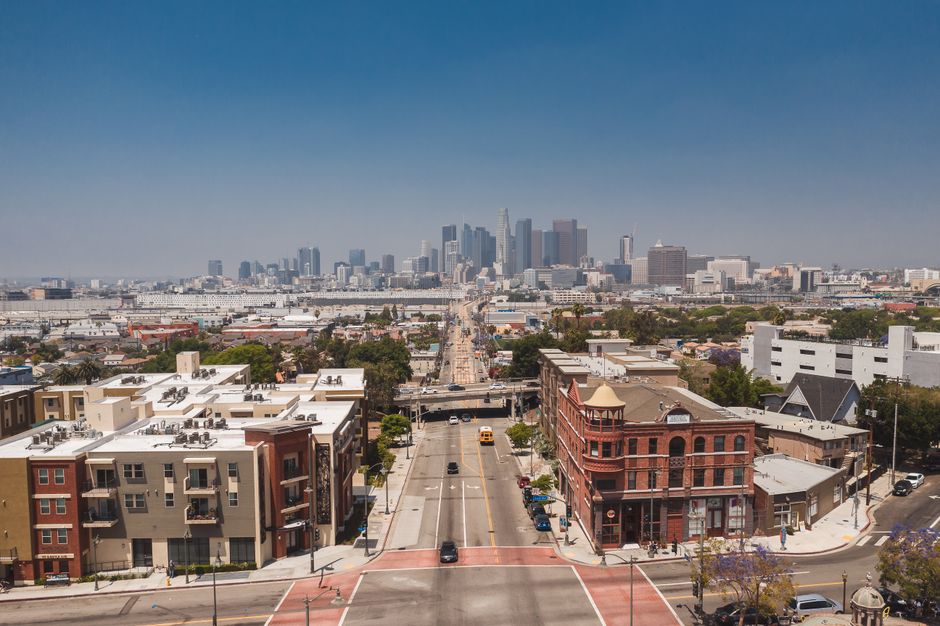
Los Angeles home prices have pushed back toward their pandemic-era peaks, with the countywide median hitting $870,000 this spring — a figure that would have felt unthinkable in January 2023, when rate-shock was grinding sales to a near-halt. But agents and economists tracking the market say the surface resemblance to the 2021 boom masks a fundamentally different machine underneath.
This matters right now because buyers who sat out the rate spike are returning with adjusted expectations, while sellers who bought at 2020 and 2021 prices are reluctant to list and surrender their sub-3-percent mortgages. That lock-in effect has kept inventory historically thin — and thin inventory, even with 6.8-percent mortgage rates still in the room, is doing what low rates did five years ago: pushing prices up.
In the first half of 2021, the story in neighborhoods like Silver Lake and Echo Park was pure velocity. Bungalows on Lucile Avenue were drawing a dozen offers inside 72 hours. Remote-work money was flooding in from New York and the Bay Area. The California Association of Realtors recorded the statewide median sale-to-list price ratio hitting 104 percent that May — meaning homes were routinely selling above ask. Cash offers were so common that financed buyers were effectively disqualified in some ZIP codes.
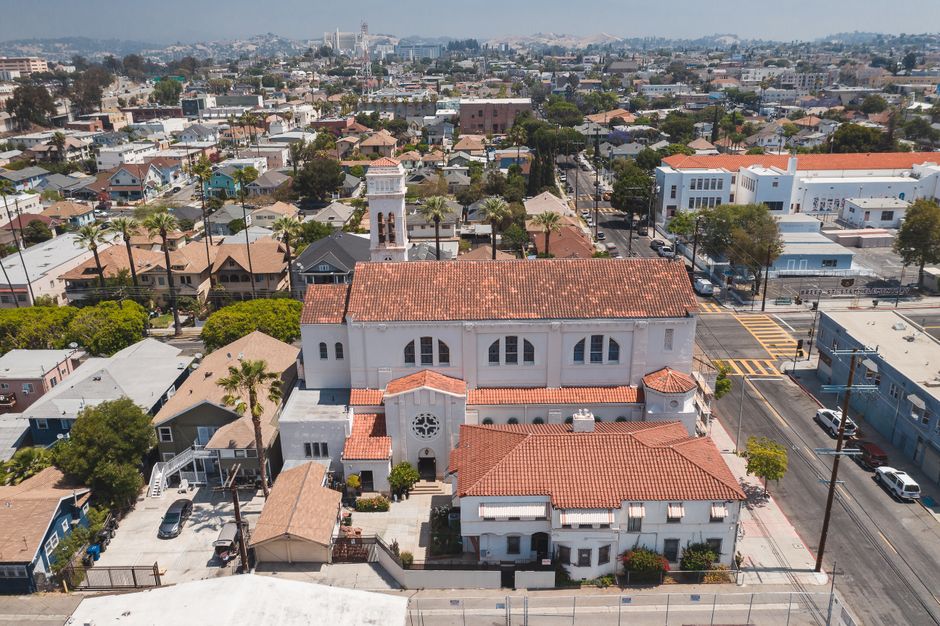
Today's Silver Lake looks different. Listings still move fast — average days on market in the 90026 ZIP code sits around 18 days, roughly half the 2019 norm — but the frenzied all-cash pile-ons have thinned. What's selling quickly tends to be turnkey product priced under $1.1 million. Anything requiring significant work, or priced above $1.4 million, is sitting longer than sellers expected. Echo Park, which saw dramatic appreciation between 2020 and 2022, has leveled; the neighborhood's median is hovering near $950,000 after briefly touching $1.05 million at the 2022 peak.
East LA is the more interesting story. Neighborhoods east of the 710 freeway — Boyle Heights, El Sereno, City Terrace — have continued a slower, steadier climb that predates the pandemic boom and has proven more durable. The East LA median is now approaching $720,000, up roughly 9 percent year-over-year, driven partly by buyers priced out of Silverlake and Highland Park and partly by an ADU building boom that has added rentable square footage to existing lots, effectively increasing property utility without adding to for-sale supply.
Los Angeles County issued more than 22,000 ADU permits in 2024, and the pace has not slowed. Programs run through the city's LA Builds initiative have made it cheaper and faster to add a backyard unit, and that has had a complicated effect on the market. On one hand, it gives existing owners a financial cushion — rental income from an ADU can run $1,800 to $2,400 a month in neighborhoods like Glassell Park and Mount Washington — reducing the urgency to sell. On the other hand, it's adding density without adding ownership opportunities.
At the top end, the Hollywood Hills and Bel Air markets are behaving almost like a separate economy. Properties above $5 million on roads like Mulholland Drive and Bellagio Road have seen renewed international interest following dollar-relative value shifts, and several off-market deals above $10 million have closed in the second quarter. That bears zero resemblance to 2021, when the luxury segment was actually laggard compared to the mid-market frenzy.
For buyers entering the market this July Fourth weekend, the practical reality is this: the negotiating leverage that appeared briefly in late 2022 and early 2023 is largely gone in well-located neighborhoods. Pre-approval letters need to be airtight, and buyers competing under $900,000 in desirable ZIP codes should budget for at least one failed offer. The California Housing Finance Agency's Dream for All shared-appreciation loan program, which briefly ran out of funding last year, has returned with a restructured income cap — worth checking before assuming first-time buyer programs are off the table. The market is not irrational right now, but it is unforgiving to the unprepared.
How does this story make you feel?
Spread the word
About this article
Published by The Daily Los Angeles
Daily brief
Free, in your inbox before 7am. Weekdays.
More in Property