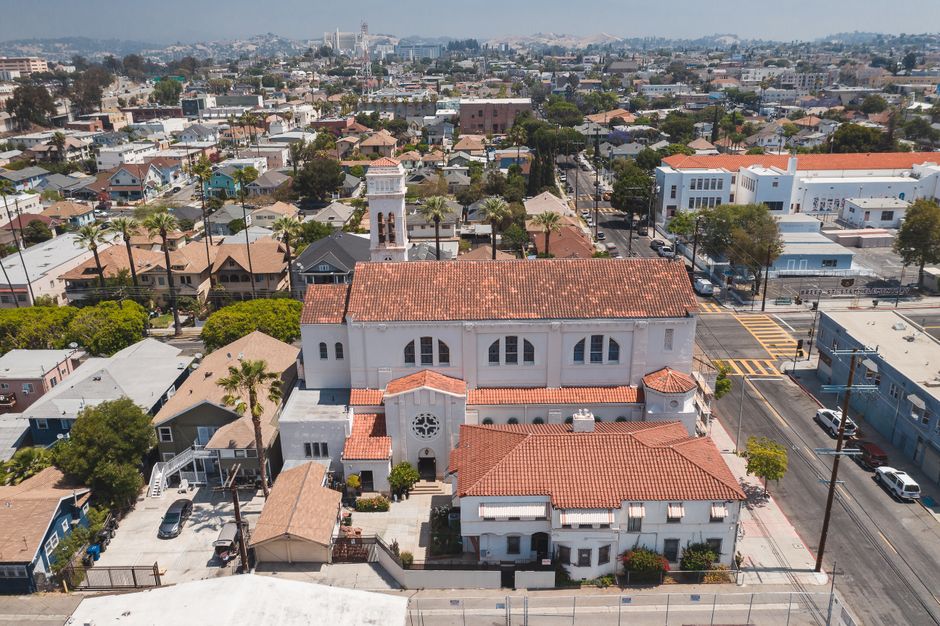
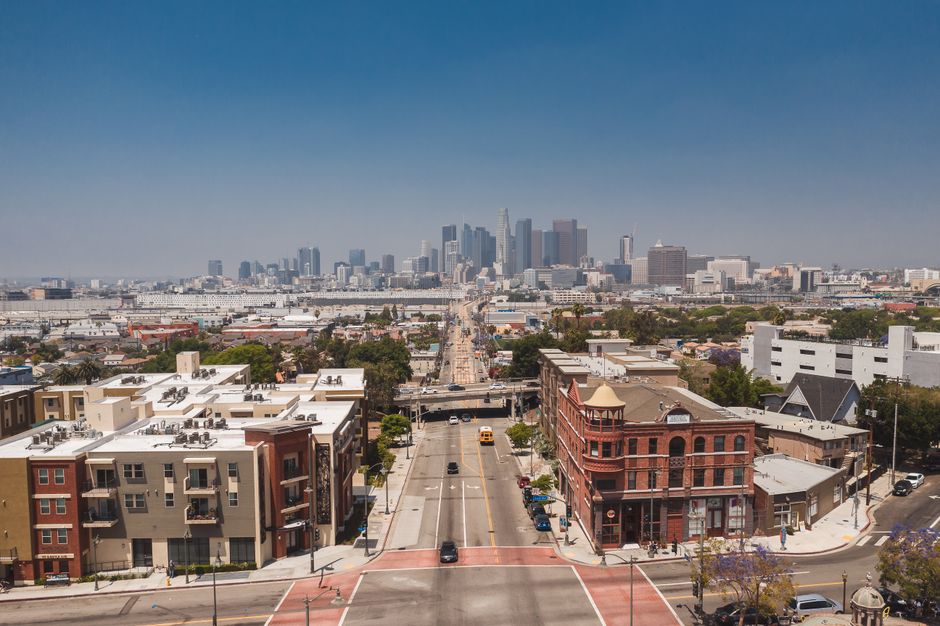
The math stopped working for buyers a long time ago. At Los Angeles's current median home price of $870,000, a conventional 20 percent down payment runs to $174,000 — before closing costs, before inspections, before the first mortgage payment lands. Now a wave of build-to-rent developments, complexes designed and operated as permanent rentals rather than converted condos or opportunistic flips, is pitching itself as the rational alternative for the city's priced-out middle class.
The timing matters. Mortgage rates have stayed stubbornly above 6.5 percent through the first half of 2026, and the California Association of Realtors estimated in its June report that fewer than 16 percent of Los Angeles County households can afford a median-priced home. That figure was 22 percent as recently as 2021. Ownership has not just become difficult — for renters earning between $80,000 and $120,000 a year, the single-family dream has become effectively theoretical.
What Build-to-Rent Actually Delivers on the Ground
Unlike older apartment stock scattered across Koreatown or the aging complexes along Vermont Avenue, build-to-rent projects are engineered from the ground up for long-term tenancy. That distinction translates into specifics. Units tend to be larger — developers targeting renter households rather than condo buyers routinely build two- and three-bedroom layouts with in-unit laundry, private outdoor space, and dedicated parking structured into the design rather than bolted on. Management is typically institutionalised, meaning maintenance requests go to a 24-hour portal rather than a landlord's voicemail.
Two projects illustrate the model's local ambitions. The Kin, a 312-unit build-to-rent development near the Metro A Line's Crenshaw Station that began leasing in spring 2026, is pricing two-bedrooms at roughly $3,200 a month and marketing heavily to healthcare workers at Cedars-Sinai and USC Keck. Further east, a 200-unit project from developer Carmel Partners on the edge of El Sereno — one of the city's fastest-growing rental submarkets — broke ground in March and is targeting delivery by late 2027. Both projects lean on proximity to transit and professional-grade amenities: co-working lounges, rooftop decks, and lease terms that run up to 24 months with fixed renewal options.
The pitch to tenants is stability as much as square footage. Renters in purpose-built communities typically sign longer leases and receive written guarantees on rent escalation caps — a meaningful selling point after several years of double-digit annual increases across Silver Lake, Echo Park, and Highland Park. According to Apartment List's June 2026 data, average asking rent for a two-bedroom in Los Angeles sits at $2,950, but that figure obscures enormous variation: comparable units in Mar Vista or Los Feliz routinely list above $3,600.
The Buy-Versus-Rent Calculation in 2026
Run the numbers on a $870,000 home with a 6.75 percent, 30-year mortgage and a 20 percent down payment: the monthly principal and interest payment alone hits approximately $4,510. Add property taxes, insurance, and maintenance reserves and the true monthly cost exceeds $5,800 for most buyers. Against that, a $3,200 build-to-rent two-bedroom — with no HOA surprise assessments, no $15,000 roof repair landing without warning — starts to look like something other than settling.
The honest counterargument is equity. Renters in even the best-run build-to-rent project build no ownership stake. In a market where Hollywood Hills three-bedrooms have appreciated roughly 38 percent over the past five years and Bel Air estates have crossed $5 million as a floor price, that gap compounds. But for the household that cannot produce $174,000 in cash, the equity argument is academic.
For anyone evaluating the decision right now, housing counselors affiliated with the Los Angeles Housing Department recommend stress-testing both scenarios against a five-year horizon rather than comparing monthly payments in isolation. The department's HomeOwnership LA program offers free one-on-one sessions at offices in Boyle Heights and Van Nuys. Several build-to-rent developers are also beginning to pilot lease-to-own structures — Carmel Partners has flagged this for its El Sereno project — which would allow a portion of monthly rent to accumulate toward a future purchase option. Whether those structures survive contact with actual financing conditions is the question this market will spend the next 18 months answering.