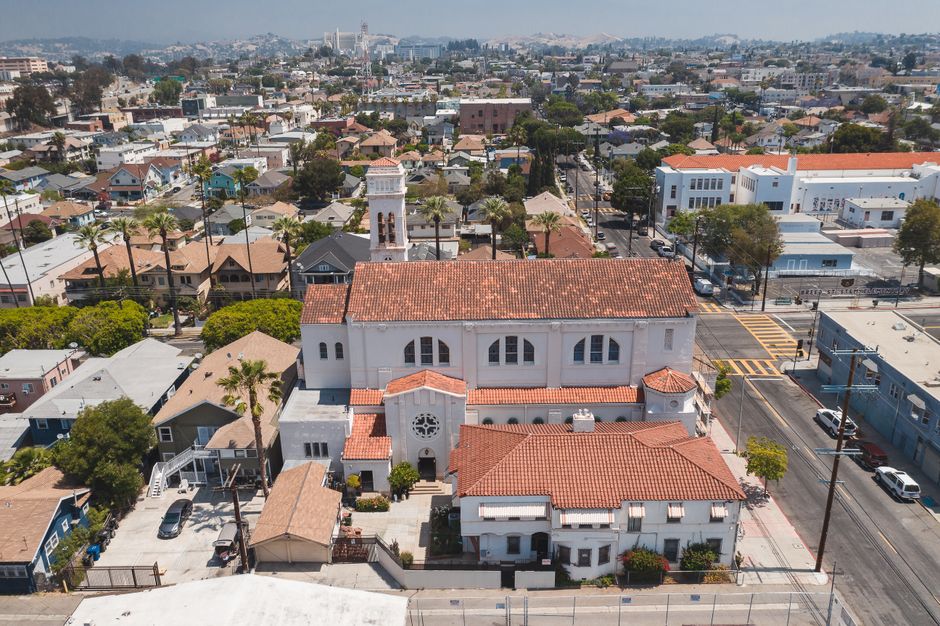
While house hunters fixate on Silver Lake's boutique coffee culture and Echo Park's lakeside appeal, a quiet wealth-building story is unfolding on the other side of Los Angeles. Highland Park, long overlooked as a stepping stone neighbourhood, has become an unlikely darling for buy-and-hold investors seeking genuine rental yields in a city where cash flow is increasingly precious.
The numbers tell the story. A typical two-bedroom home on Avenue 50 or York Boulevard now sells for $650,000 to $750,000—well below the citywide median—yet commands $2,800 to $3,200 in monthly rent. That translates to a gross rental yield of roughly 5 to 5.5 per cent, exceptional in Los Angeles where the median yield hovers around 3.2 per cent. In comparison, Bel Air's trophy estates rarely exceed 2 per cent yields; homeowners there are banking on appreciation, not cash flow.
Highland Park's appeal cuts deeper than spreadsheets. The neighbourhood's walkable core around Figueroa Street has attracted independent retailers, galleries, and restaurants that generate consistent foot traffic. The Gold Line terminus at the Metro station has improved commute times for renters working downtown or in Pasadena, making it attractive to young professionals and families priced out of trendier enclaves.
Property values have climbed steadily. A home purchased for $520,000 five years ago might fetch $680,000 today—appreciation of roughly 5.5 per cent annually, paired with rental income. That combination of yield and growth has not gone unnoticed. Multiple investors operating small residential portfolios report that Highland Park acquisitions now represent 30 to 40 per cent of their recent LA purchases.
The ADU boom has added another layer. Investors with deeper pockets have begun converting garages or building legal accessory units on Highland Park properties, unlocking additional rental streams. A single-family home with an ADU can generate $4,500 to $5,200 monthly—pushing yields above 7 per cent on the initial investment.
Of course, risks persist. Rising property taxes, maintenance on aging housing stock, and increasing tenant protection laws squeeze margins. Yet relative to Hollywood Hills' speculative volatility or the congestion creeping into East LA's formerly affordable pockets, Highland Park offers something rare: a neighbourhood where the maths work and the fundamentals are improving.
For investors tired of chasing appreciation in overheated markets, the message is clear: sometimes the best returns hide in plain sight, on streets that don't yet make the Instagram feed.
This article was compiled by AI and screened before publishing. See our editorial standards.