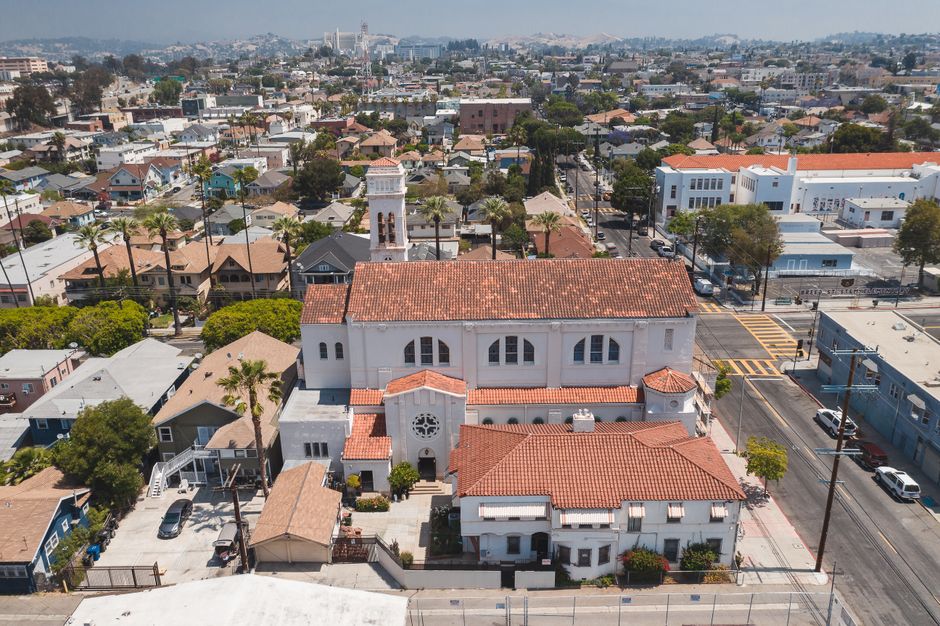
Los Angeles is experiencing a quiet revolution in how its neighbourhoods are being remade. Rather than the greenfield sprawl of decades past, a new wave of development is targeting underutilised urban sites—from dormant warehouse districts to parking lots—fundamentally altering the character and affordability of entire blocks.
The shift is most visible along the Arts District's eastern flank and stretching into Boyle Heights, where developers are converting 20th-century industrial buildings into loft apartments, creative studios, and ground-floor retail. These projects, which typically deliver 200 to 400 units per site, are designed to accommodate LA's persistent housing shortage while preserving the gritty authenticity that made these neighbourhoods magnetic in the first place. With the median LA home price hovering near $870,000, adaptive reuse projects offering units in the $450,000 to $650,000 range represent a rare middle ground for move-up buyers and young families.
The broader implications extend beyond unit counts. The Los Angeles Department of City Planning has streamlined approvals for mixed-use developments that include ground-floor commercial and residential above—a model increasingly championed along Whittier Boulevard in East LA and around the San Fernando Valley's Van Nuys corridor. These projects activate streetscapes that have languished since the 1980s, attracting independent retailers and restaurants alongside new residents who support their survival.
However, the development boom is not without friction. Community groups across Echo Park and Silver Lake have raised concerns about construction timelines, parking strain, and whether new units will remain genuinely affordable or quickly transform into short-term rentals. The proliferation of accessory dwelling units—now legal in many LA zones following state legislation—has similarly sparked neighbourhood conversations about density, infrastructure capacity, and neighbourhood character.
Data from the city's planning department indicates that approximately 15,000 housing units are currently in construction or entitlement phases across LA County, with roughly 40 percent concentrated in Central City and Eastside corridors. If these projects deliver as planned, they could ease pressure on neighbourhoods that have seen prices climb 15 to 20 percent over the past three years.
The challenge now is execution. Inflation has delayed several projects, and supply-chain constraints continue to push timelines rightward. Yet the appetite among developers remains strong, fuelled by changing work patterns and younger Angelenos' preference for walkable, mixed-income neighbourhoods over isolated residential enclaves. For LA's housing crisis, these new developments represent neither panacea nor threat—but rather the messy, necessary work of a sprawling city learning to build inward.
This article was compiled by AI and screened before publishing. See our editorial standards.