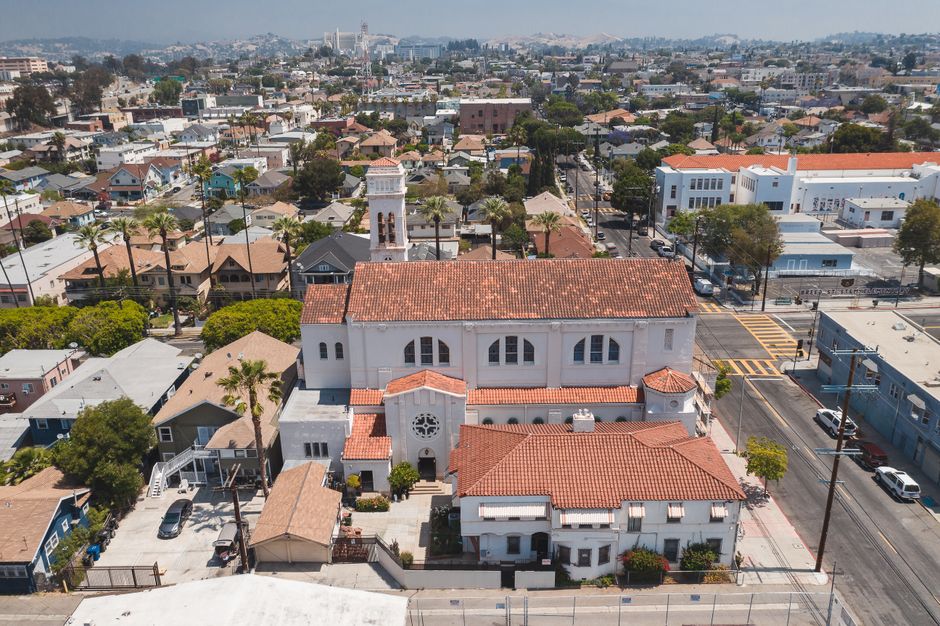
Highland Park's Zoning Changes Drive Investment Surge Across Northeast LA
New housing density rules and transit-oriented development policies are driving property values and attracting a new wave of buyers to historically affordable neighbourhoods.
New housing density rules and transit-oriented development policies are driving property values and attracting a new wave of buyers to historically affordable neighbourhoods.
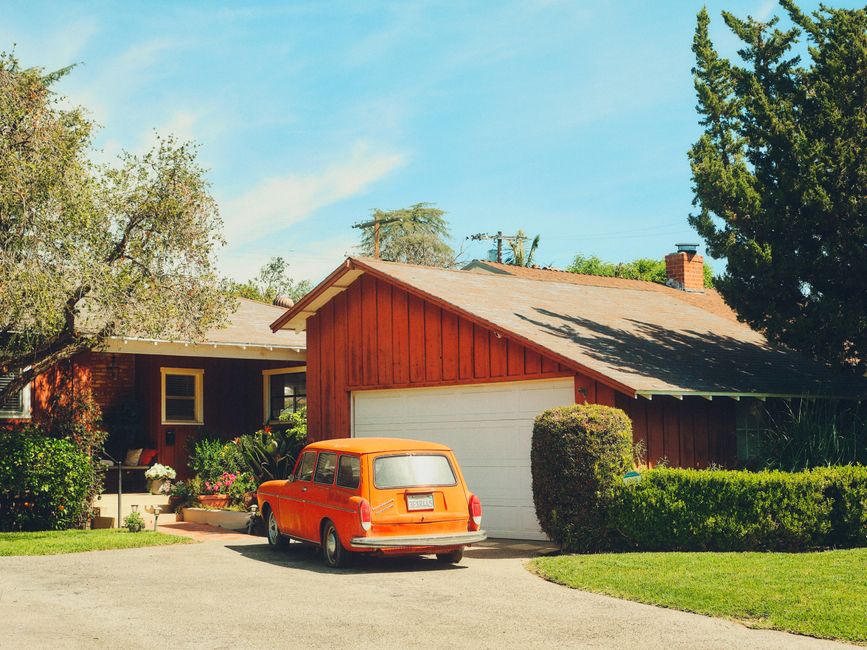
Highland Park has emerged as the unlikely darling of Los Angeles's investment landscape, thanks to a series of ambitious zoning changes approved by the City Planning Department in early 2026. The shift toward allowing multi-unit residential developments along the Gold Line corridor has already triggered a measurable market response, with median home prices climbing from $680k in January to $745k by June—a jump that's rewriting the calculus for property investors across Northeast LA.
The policy pivot centres on the city's desire to encourage transit-oriented development within half a mile of Metro stations. Highland Park, with its proximity to the Gold Line and a walkable downtown core anchored by Heritage Square and the Figueroa Street restaurant district, became a natural testing ground. Under the new framework, developers can now construct up to four-storey residential buildings on parcels previously zoned for single-family homes—a radical departure for a neighbourhood that has historically resisted density.
The impact extends beyond Highland Park itself. Eagle Rock and Lincoln Heights, both served by Metro infrastructure and subject to similar planning amendments, are experiencing investor interest not seen since the early 2010s boom. Properties along York Boulevard and North Figueroa Street—traditionally overlooked corridors—are now commanding attention from portfolio buyers and first-time homebuyers alike who recognise the policy tailwind.
Not everyone is celebrating. Neighbourhood groups have raised concerns about parking pressure, school capacity, and the risk of displacement as rents inevitably rise. The Los Angeles Department of City Planning has acknowledged these tensions, announcing a community benefit agreement process that requires new developments to contribute to affordable housing funds and local infrastructure improvements.
For investors, the calculus is straightforward: these policy changes create a window of opportunity before market prices fully adjust to reflect the new development potential. A modest bungalow on a corner lot in Highland Park that was worth $600k two years ago now attracts serious demolition bids at $750k, with developers factoring in the ability to build three additional units on the land.
The broader lesson for LA property watchers is clear: policy moves fast. Highland Park's transformation from overlooked bohemian enclave to developer hotspot happened within months of the zoning decision. Neighbouring areas—South Pasadena, Glendale, and even parts of Boyle Heights—are now monitoring their own planning calendars, aware that the next big policy shift could reshape their investment profile entirely.
This article was compiled by AI and screened before publishing. See our editorial standards.
How does this story make you feel?
Spread the word
About this article
Published by The Daily Los Angeles
Daily brief
Free, in your inbox before 7am. Weekdays.
More in Property