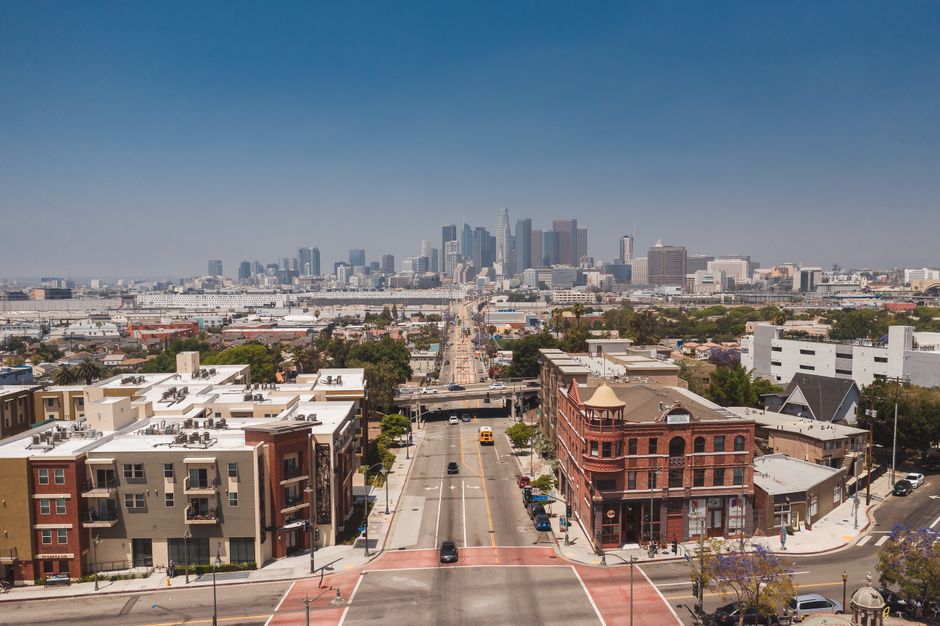
Silver Lake's tree-lined streets and Echo Park's creative cachet have long attracted investors willing to pay premium prices. But a series of zoning changes approved by the Los Angeles City Council over the past 18 months are fundamentally reshaping what—and where—savvy buyers are betting their money.
The most significant shift came in January 2026, when new mixed-use zoning rules took effect across parts of Silver Lake, allowing commercial ground floors with residential units above. The policy, designed to activate commercial corridors while addressing LA's housing shortage, has already triggered measurable market movement. Properties along Sunset Boulevard and Silver Lake Boulevard that previously carried residential-only valuations are now commanding 12–18 per cent premiums, according to data from local real estate analysts. A modest 1970s craftsman on Hyperion Avenue that would have sold for $1.2 million under the old framework recently changed hands for $1.38 million, with the buyer explicitly citing development potential.
Echo Park has experienced a different but equally dramatic shift. The Department of City Planning's accelerated approval process for Accessory Dwelling Units—cutting processing time from 120 days to just 45 days—has supercharged investor interest in single-family homes on larger lots. Properties with potential for ADU development on streets like Coronet Terrace and around Echo Park Lake have seen inquiry surges of up to 40 per cent compared to the same period last year. The median price for homes with ADU-ready configurations now sits near $895,000, edging closer to the broader LA median of $870,000 despite traditionally sitting above it.
Not all neighbourhoods have benefited equally. Mid-Wilshire, which faced stricter height restrictions in the same planning cycle, has seen buyer activity flatten. Meanwhile, working-class neighbourhoods in East LA with newly approved density bonuses are attracting first-time investors who previously felt priced out—signalling a broader democratisation of investment opportunity across the city.
The Los Angeles County Assessor's office has begun flagging properties in policy-affected zones for reassessment, and property tax implications are still settling. Savvy investors are already positioning themselves in neighbourhoods where zoning approvals are pending—particularly around the Vermont Avenue corridor and near the upcoming Metro Transit expansions.
For buyers, the lesson is clear: in 2026's LA market, policy moves as much as location. Understanding which neighbourhoods are next on the City Council's modernisation agenda may matter more than chasing yesterday's hotspots.
This article was compiled by AI and screened before publishing. See our editorial standards.