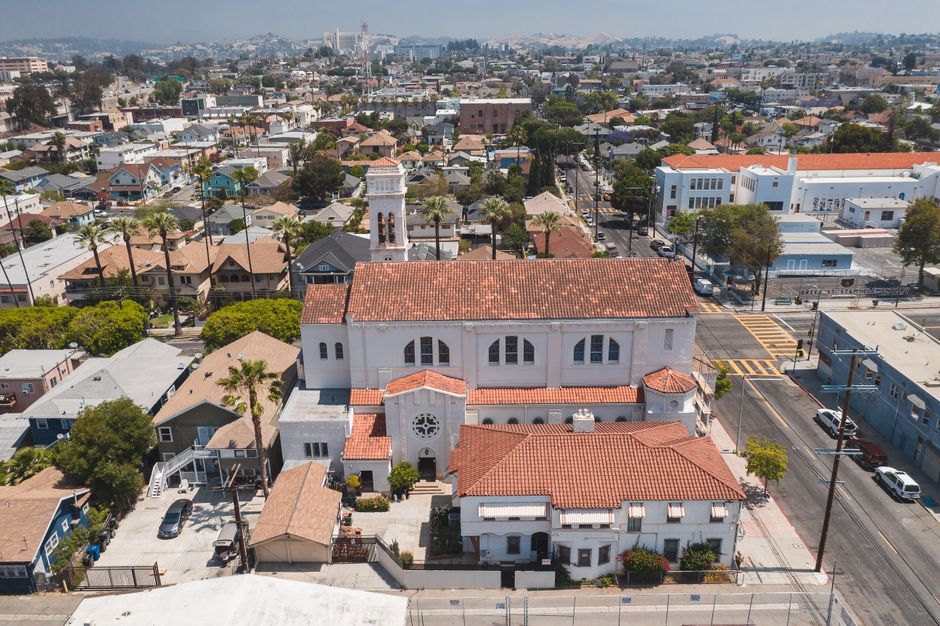
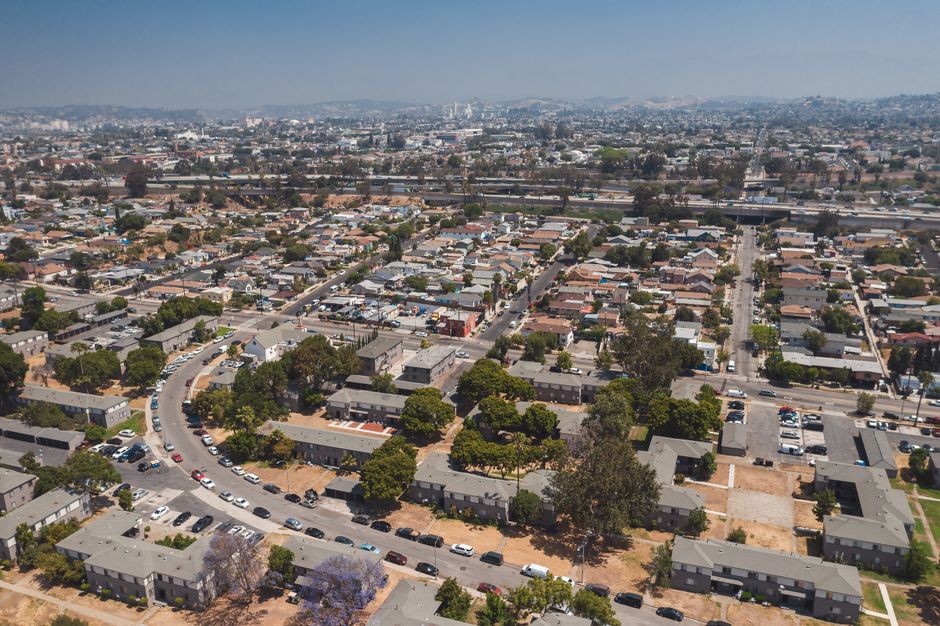
Rising LA Rents Force Thousands of Tenants From Homes
With Los Angeles rents climbing faster than home prices, property investors are cashing in—but tenants in Echo Park, East LA and beyond are feeling the pinch.
With Los Angeles rents climbing faster than home prices, property investors are cashing in—but tenants in Echo Park, East LA and beyond are feeling the pinch.
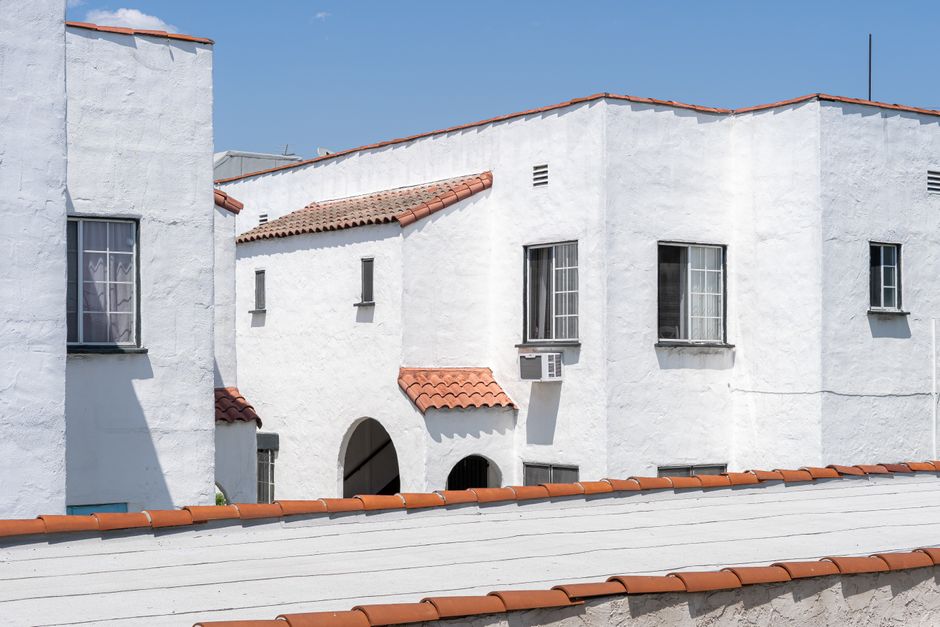
The rental market in Los Angeles has entered a new phase. After years of moderate growth, landlords are now capitalizing on a supply shortage that has pushed yields to levels not seen since the early 2010s. For investors, the numbers look attractive. For renters across Silver Lake, Los Feliz, and East LA, the math is unforgiving.
Los Angeles median home prices hover near $870,000, yet monthly rents in popular neighbourhoods continue to accelerate. A two-bedroom in Echo Park now commands $3,200 to $3,600—a 12 percent year-on-year increase. In East LA, where younger families and first-time renters traditionally find affordability, studios and one-bedrooms have jumped to $1,800 to $2,100, narrowing the gap that once made the area a genuine escape valve for budget-conscious households.
For landlords, this environment is reshaping investment strategy. Net rental yields on properties purchased five years ago now exceed 5 percent in emerging neighbourhoods, compared to 3 to 4 percent in established markets like Bel Air and the Hollywood Hills. This has sparked renewed investor interest in up-and-coming corridors along Figueroa Street in Highland Park and areas near the Arts District, where older multi-unit buildings are being repositioned for higher-income tenants.
But the human cost is visible. Organizations like the Los Angeles Tenants Union report escalating disputes over lease renewals, with landlords increasingly offering month-to-month arrangements rather than fixed terms—a tactic that allows rapid rent increases. Eviction filings, though still below pre-pandemic levels, have ticked upward over the past eighteen months, particularly in neighbourhoods experiencing gentrification pressure.
Smart landlords are recognizing that this window may not last forever. Rising interest rates, potential recession fears, and ongoing housing policy debates in Sacramento mean today's yield environment could shift. Some are investing in tenant retention—modest upgrades, reasonable lease terms, responsive maintenance—understanding that turnover costs and vacancy risk can quickly erode profits.
Meanwhile, tenants are adapting. Shared housing is gaining traction in areas like Los Feliz and Silver Lake, where three or four renters split a modest house or apartment to manage costs. Younger professionals are deferring moves to Los Angeles entirely, opting for remote work arrangements elsewhere. The ADU boom across residential neighbourhoods is beginning to ease pressure at the margins, but it's a slow fix for a fast-moving crisis.
The rental market's current trajectory is unsustainable for lower-income households. For investors and landlords, the question is whether to maximize short-term returns or build portfolios that remain competitive and occupied in a market that could cool far faster than it heated.
This article was compiled by AI and screened before publishing. See our editorial standards.
How does this story make you feel?
Spread the word
About this article
Published by The Daily Los Angeles
Daily brief
Free, in your inbox before 7am. Weekdays.
More in Property