New Development Projects Reshape LA's Affordability Map
From Downtown to Koreatown, ambitious infill developments are reshaping how—and where—Angelenos can afford to live.
From Downtown to Koreatown, ambitious infill developments are reshaping how—and where—Angelenos can afford to live.
Los Angeles is in the midst of a quiet revolution. While median home prices hover around $870,000 across the metro area, a wave of mid-rise residential projects is beginning to splinter the traditional supply bottleneck that has kept homeownership out of reach for so many.
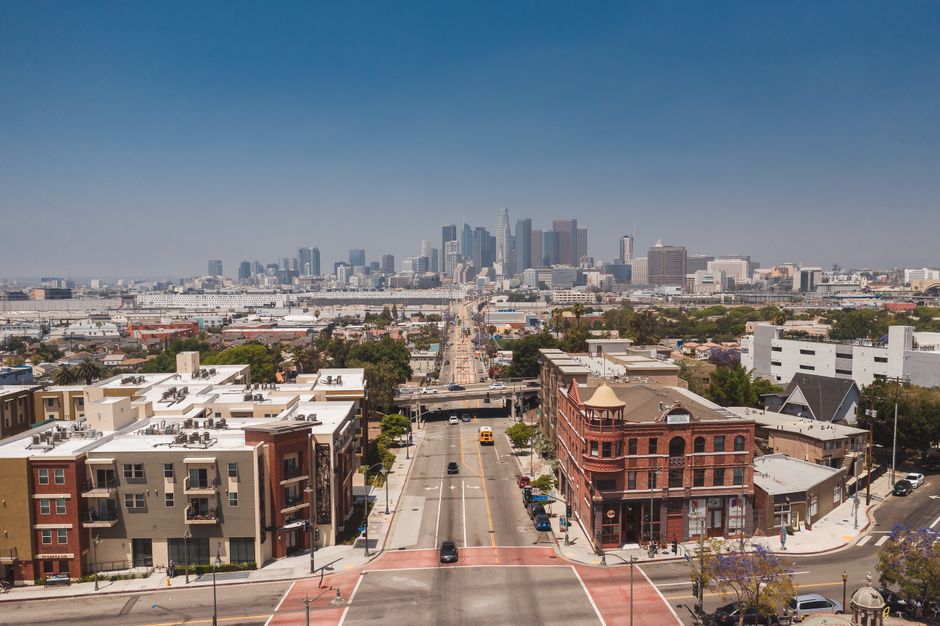
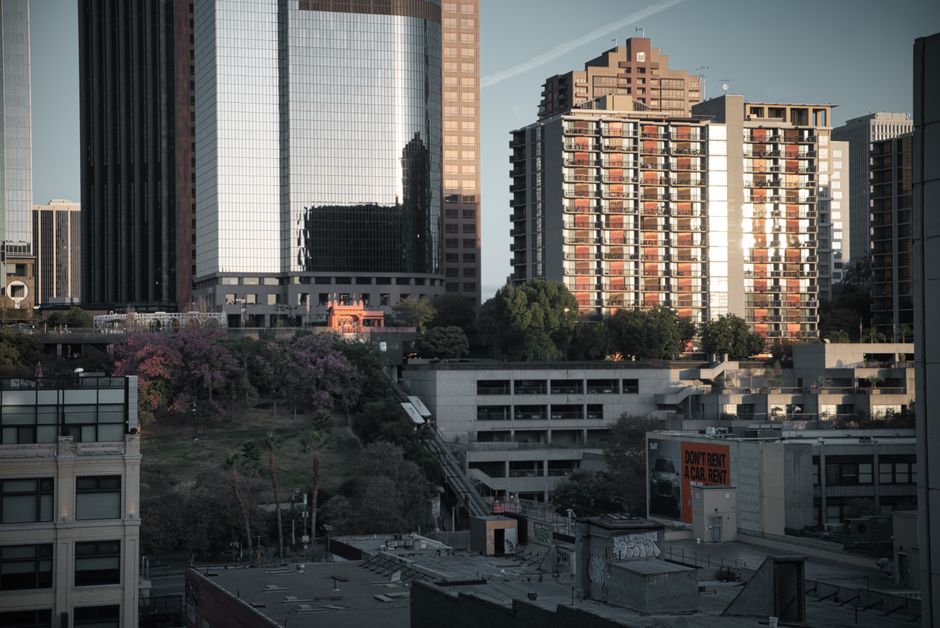
The shift is most visible in transit-adjacent neighbourhoods. Downtown LA's residential boom continues to accelerate, with projects like the Arts District lofts drawing both young professionals and empty-nesters seeking walkability over square footage. But it's the emerging developments along the Purple Line extension corridor—threading through Koreatown, Mid-City, and West Hollywood—that may prove transformative for affordability.
These aren't luxury towers. Mixed-income projects targeting the $600,000 to $850,000 price point are finally gaining traction as zoning changes and streamlined permitting make construction economics work. The Los Angeles Housing Department has fast-tracked approvals for qualifying projects, recognising that incremental supply matters when the market's structural problem is scarcity, not pricing.
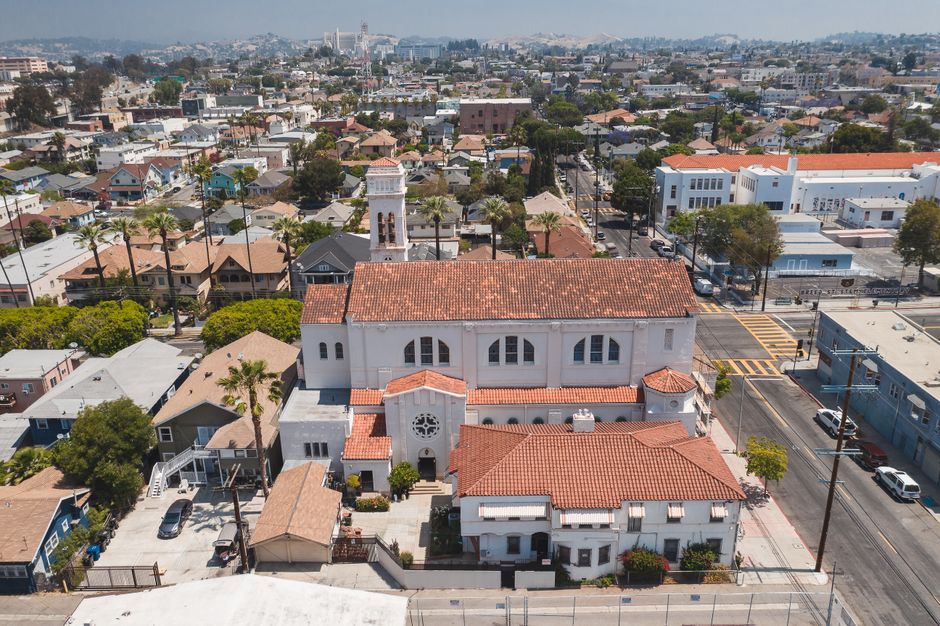
Echo Park and Silver Lake, long boutique neighbourhoods commanding premium prices, are seeing secondary effects. As density migrates toward transit hubs, these established areas are experiencing stabilisation rather than explosive growth—a modest relief for those priced out five years ago but present today.
East LA tells a different story. Limited infill capacity and lower permit rates mean this historically affordable pocket is tightening, with prices climbing faster than supply expands. Community groups are advocating for greater density allowances, but progress remains incremental.
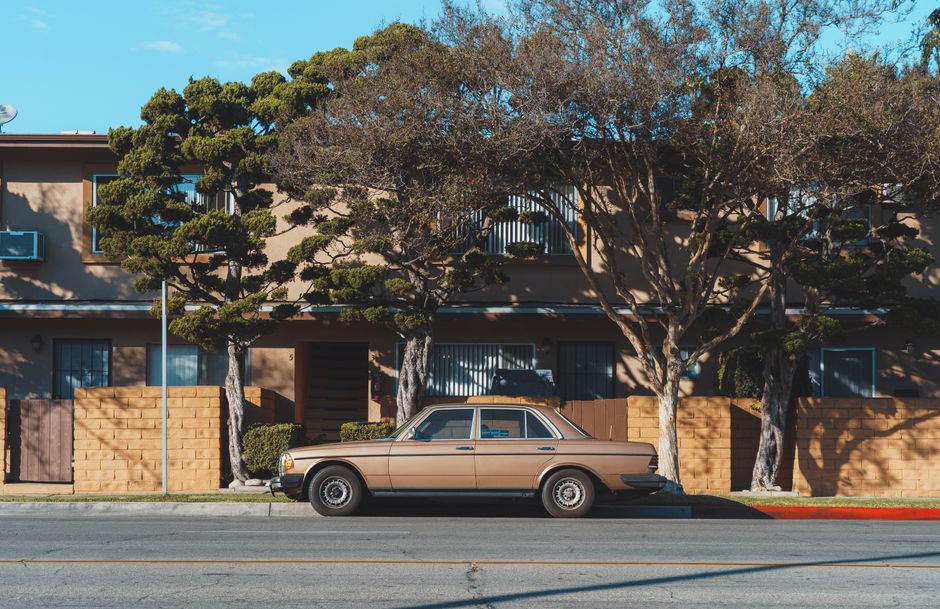
The ADU boom—particularly in bungalow-heavy areas like Eagle Rock and Atwater Village—continues reshaping the single-family narrative. Backyard units are fetching $500,000 to $700,000, creating fractional ownership opportunities that wouldn't have existed three years ago. Whether these genuinely expand the housing ladder or simply create new investment vehicles remains contested.
For Silver Lake and Echo Park residents watching development applications carefully, the pattern is clear: new projects elsewhere do exert downward pressure on peripheral neighbourhoods, if only marginally. A 2,000-unit development in Downtown or Koreatown means fewer bidding wars in adjacent areas.
The deeper question for Los Angeles remains whether projects under construction will outpace population demand. Current projections suggest mid-range developments could slow price acceleration in targeted corridors by 2027—meaningful, but not transformative. Without aggressive increases in approvals and financing, the affordability crisis will persist even as supply modestly rises.
This article was compiled by AI and screened before publishing. See our editorial standards.
How does this story make you feel?
Spread the word
About this article
Published by The Daily Los Angeles
Daily brief
Free, in your inbox before 7am. Weekdays.
More in Property