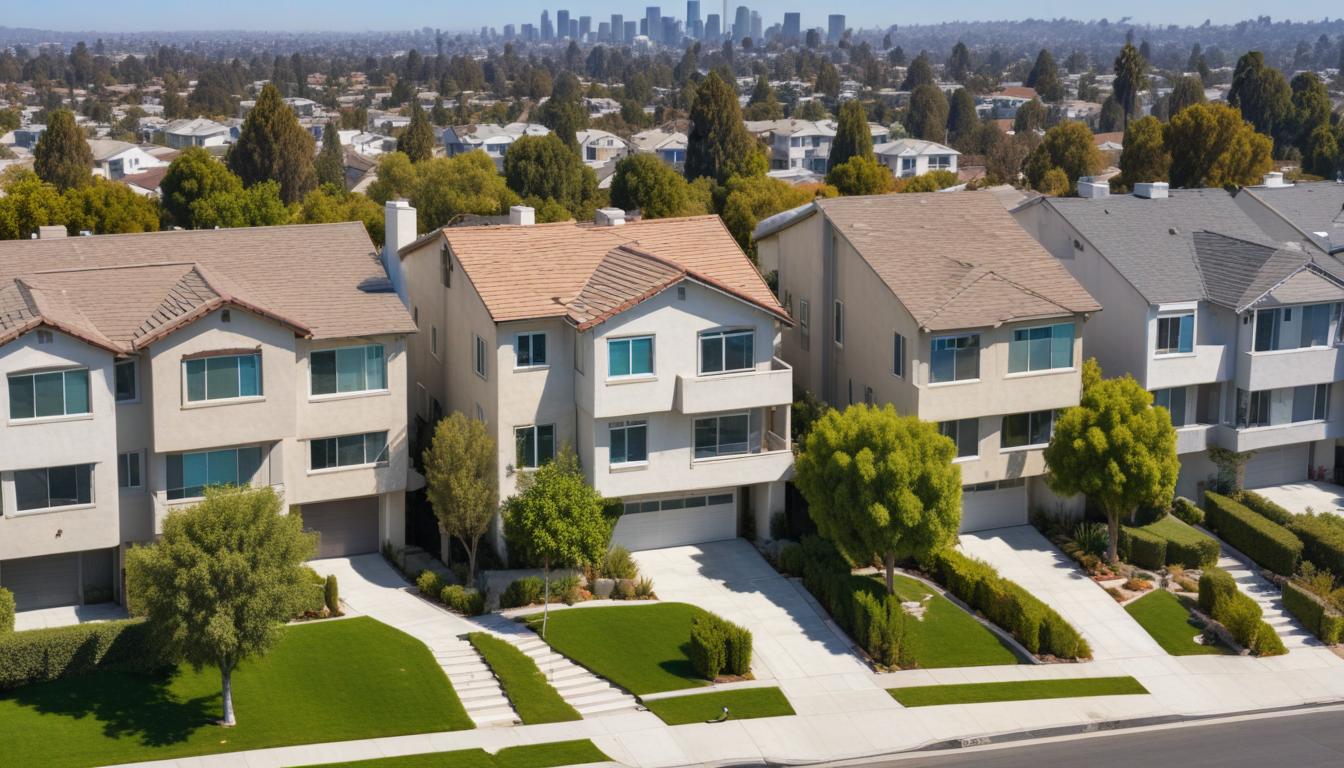
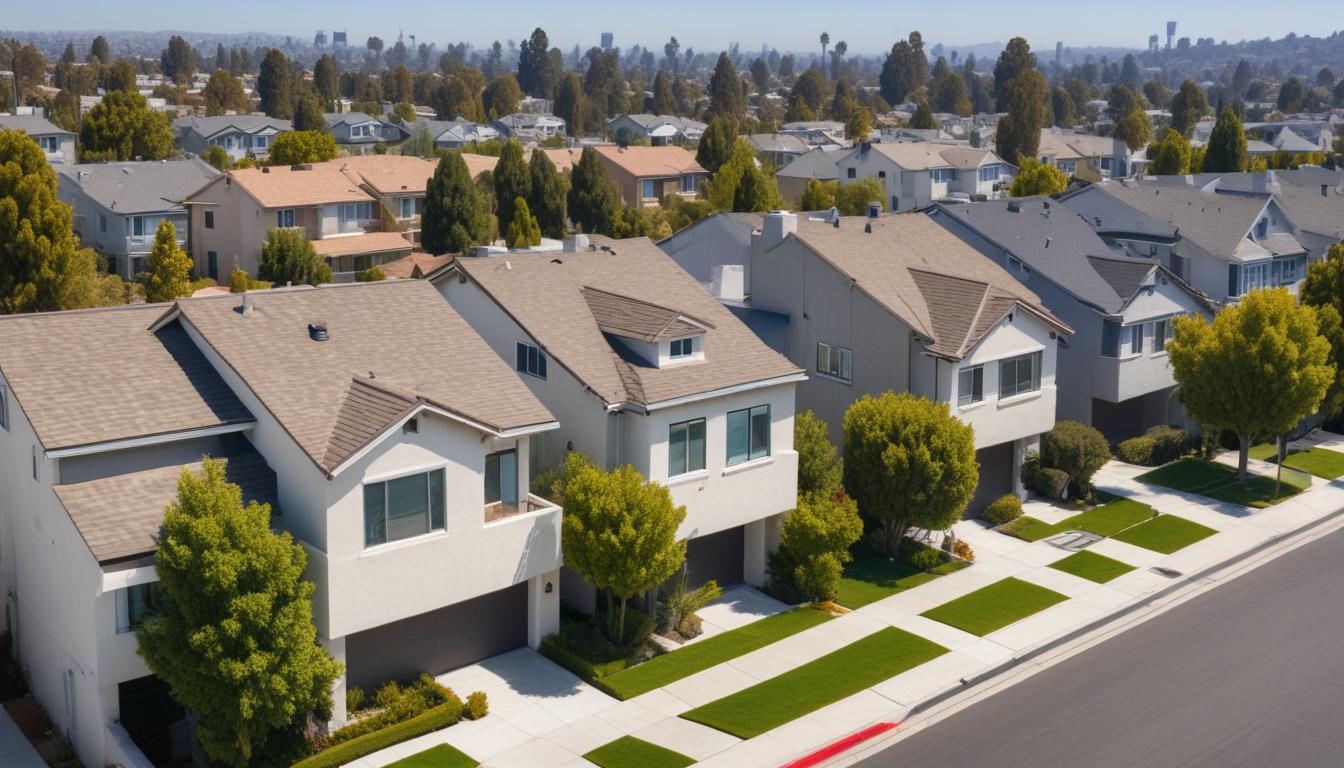
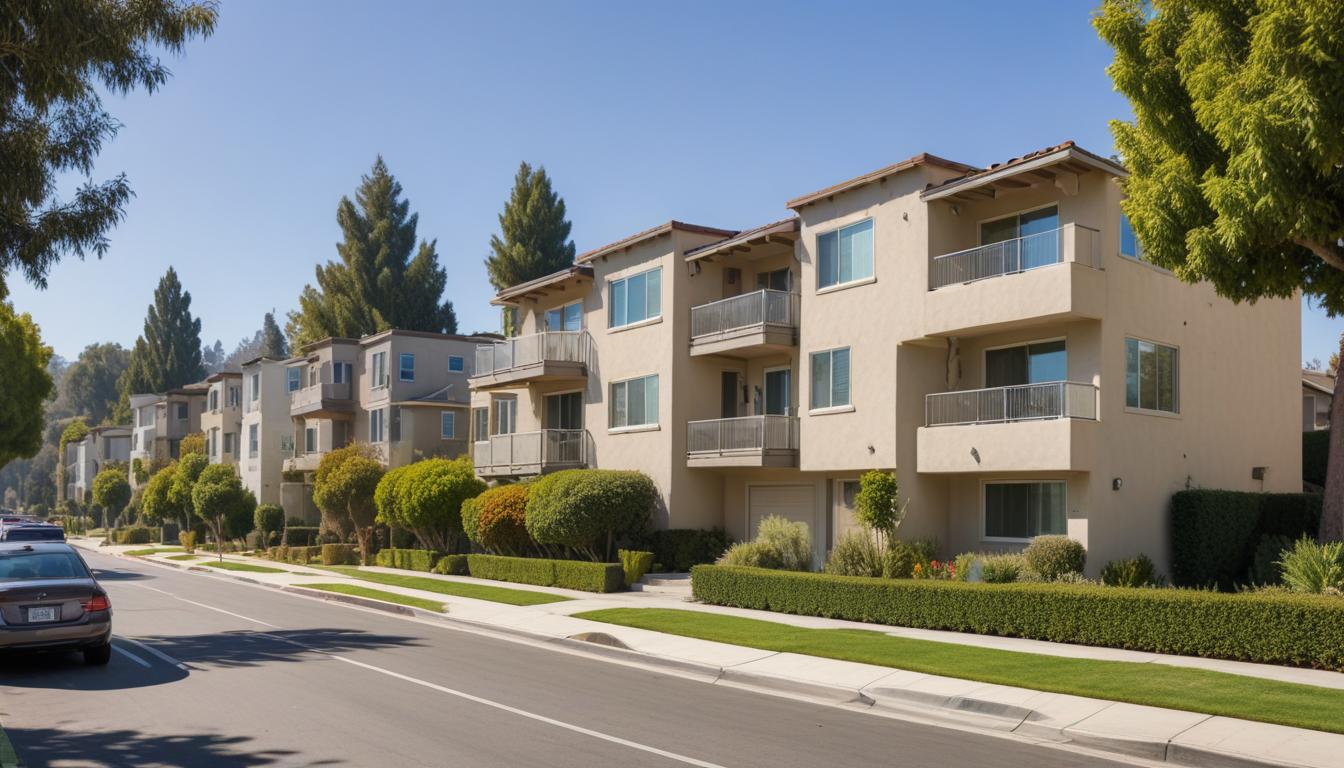
Los Angeles's luxury property market is experiencing a peculiar bifurcation. While the median home price across the city hovers around $870,000, the prestige sector—those properties commanding $5 million and above—is operating under entirely different physics, driven by a convergence of scarcity, international appeal, and shifting buyer priorities that savvy purchasers must understand before entering this rarefied space.
The traditional strongholds of old-money real estate remain immovable. Bel Air properties with canyon views and gated compounds continue to draw serious capital, particularly from tech executives seeking privacy and established families protecting multi-generational wealth. Hollywood Hills, meanwhile, has evolved into a magnet for entertainment industry players and international investors betting on cultural significance and architectural provenance. Recent transactions in these enclaves have seen price-per-square-foot metrics reach $3,500 to $4,200—a 40 percent increase from three years ago.
What's changed dramatically is the buyer composition and their motivations. The rise of remote work and pandemic-era migration patterns have expanded the buyer pool beyond traditional LA power brokers. Silicon Valley wealth, New York finance professionals, and Middle Eastern investors are now actively bidding on trophy properties, creating unprecedented competition. Simultaneously, California's property tax reassessment rules and estate planning complexities have made entry points for some traditional buyers more challenging, paradoxically pushing prices higher as fewer properties cycle onto the market.
Interest rate cycles also deserve attention. Unlike the broader market, ultra-luxury purchases are less sensitive to mortgage fluctuations—many buyers pay cash or use portfolio-backed financing. This insulates prestige properties from typical market corrections, creating price stability that borders on immunity from rate movements affecting the $870,000 median-price segment.
For serious buyers, several realities apply now. First, inventory below $10 million has contracted sharply; expect six-month acquisition timelines, not weeks. Second, location granularity matters intensely—a Sunset Boulevard address commands 15-20 percent premiums over parallel properties one canyon over. Third, due diligence on earthquake insurance, fire mitigation, and water rights has become non-negotiable; 2025's fire seasons have sobered even established buyers.
Finally, international buyers should know that California's recently strengthened foreign investment disclosure requirements mean transparency is now table stakes. The market rewards serious, prepared purchasers and ruthlessly punishes those who treat ultra-luxury acquisitions as financial abstractions rather than complex, nuanced real estate decisions requiring expertise from legal, tax, and insurance specialists.
The LA luxury market remains resilient—but only for those who understand its new rules.
This article was compiled by AI from the sources linked above and screened before publishing. See our editorial standards.