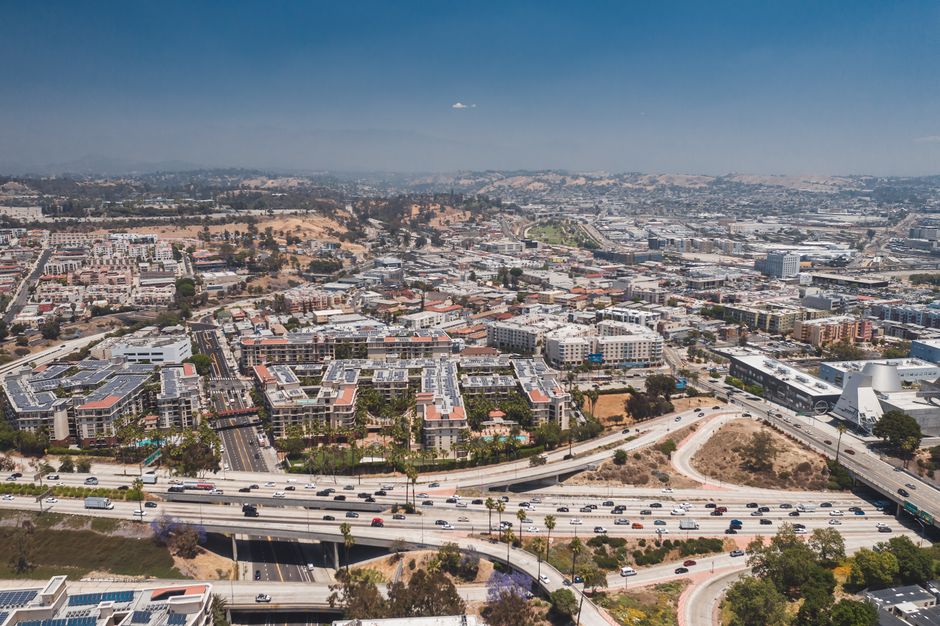
Los Angeles's rental landscape is undergoing a seismic shift, driven less by market forces than by policy decisions filtering through City Hall and planning departments across the county. Recent changes to rent control ordinances, vacancy taxes, and conversion restrictions are creating wildly different availability patterns depending on which neighbourhood you're searching.
The most visible impact is playing out in traditionally supply-constrained areas like Silver Lake and Echo Park, where new vacancy regulations enacted in early 2026 require property owners to maintain units at below-market rates or face penalties. Preliminary data suggests vacancy rates in these neighbourhoods have ticked upward to 6.2 percent—the highest in five years—as some landlords, facing tighter margins, have chosen to leave units empty rather than comply. Meanwhile, East LA, which operates under different municipal codes and has seen significant ADU-zoning approvals, is experiencing the opposite trend: vacancy rates hovering near 3 percent as new accessory dwelling units hit the market.
The Planning and Land Use Management Committee's March decision to expand tenant protections in Hollywood further illustrates these fractures. Properties within the expanded rent-stabilized zone saw landlords filing fewer new rental listings on platforms like Zillow in the weeks following announcement. Realtors report clients being steered toward neighbouring unincorporated areas and the San Fernando Valley, where regulations remain lighter.
For renters, this fragmentation creates both opportunity and confusion. A one-bedroom in Echo Park might list at $2,100 under the new protections, while an identical unit two miles east in unincorporated LA County commands $2,450. The median LA rent now hovers around $1,950 monthly, but that figure masks enormous variation driven by policy rather than purely by demand.
The Los Angeles Tenants Union and local housing advocacy groups argue these protections are working as intended—preventing displacement along corridors like Hollywood Boulevard and Sunset Boulevard that have historically seen rapid gentrification. However, industry groups warn that further restrictions risk deepening the supply shortage that keeps the median home price stubbornly anchored at $870,000.
The real test comes next quarter when the county reassesses zoning allowances for mixed-use development near transit corridors. If approved, these changes could unlock thousands of new rental units—potentially equalizing vacancy rates citywide. Until then, where you search matters enormously.
This article was compiled by AI from the sources linked above and screened before publishing. See our editorial standards.