The rental landscape across Los Angeles is fragmenting into two distinct economies, with some neighbourhoods tightening dramatically while others soften, creating unexpected headwinds for both tenants and landlords navigating the mid-2026 market.
In Silver Lake and Echo Park, where median rents hover near $2,400 for a one-bedroom, landlords are reporting longer lease negotiations and increased tenant retention efforts. The once-scorching competition for units along Sunset Boulevard and around the Silver Lake Reservoir has cooled noticeably, with several property managers noting vacancy windows stretching to 45 days—a marked shift from the three-week turnover typical two years ago. For tenants, this moderation offers rare negotiating power, yet many remain stretched by cumulative rent increases that have doubled since 2020.
The picture differs sharply in East LA and the San Gabriel Valley fringe, where rental demand remains fierce. Properties near Whittier Boulevard and in Lincoln Heights are commanding premium rents with minimal concessions, as first-time renters and young families seek affordable alternatives to West LA. These corridors have emerged as investment hotspots precisely because landlords retain pricing leverage—units lease within 10 days, and lease renewals regularly exceed 5% annual increases.
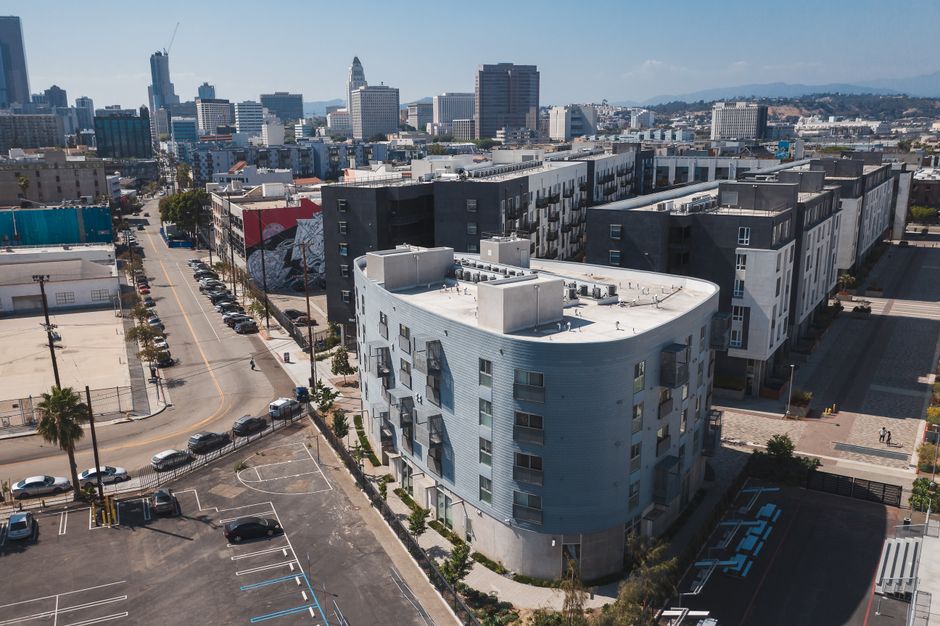
The downtown LA rental market tells yet another story. The emergence of new residential towers near Pershing Square and along Spring Street has introduced 8,000+ units in eighteen months, fragmenting landlord advantage. Vacancy rates near 7% represent an uncomfortable threshold for property owners who've banked on consistent 3-4% appreciation. Several mid-sized property management firms in the area have reportedly reduced staff.
Complicating matters further is the persistent ADU boom reshaping single-family neighbourhoods across the San Fernando Valley and mid-city areas. Homeowners converting garages in Koreatown and along Melrose Avenue are undercutting traditional landlords by 15-20%, offering furnished units and flexibility that conventional leases cannot match.
For tenant advocates at organizations like the Los Angeles Tenants Union, the bifurcated market masks deeper instability. While Silver Lake renters gain temporary negotiating wins, those in tighter markets face accelerating displacement. Meanwhile, landlords operating across multiple neighbourhoods confront a profoundly uncertain calculus: which areas will sustain value, and where should capital be redeployed?
The summer of 2026 has crystallized what many feared: LA's rental market is no longer monolithic. Success increasingly depends on hyper-local expertise and rapid adaptation to neighbourhood-specific conditions that shift faster than traditional property management frameworks allow.
This article was compiled by AI from the sources linked above and screened before publishing. See our editorial standards.