Construction Boom Reshapes LA's Rental Crisis: How New Developments Are Creating Winners and Losers
As thousands of new units emerge across Echo Park and East LA, tenants face displacement while landlords grapple with changing market dynamics.
As thousands of new units emerge across Echo Park and East LA, tenants face displacement while landlords grapple with changing market dynamics.
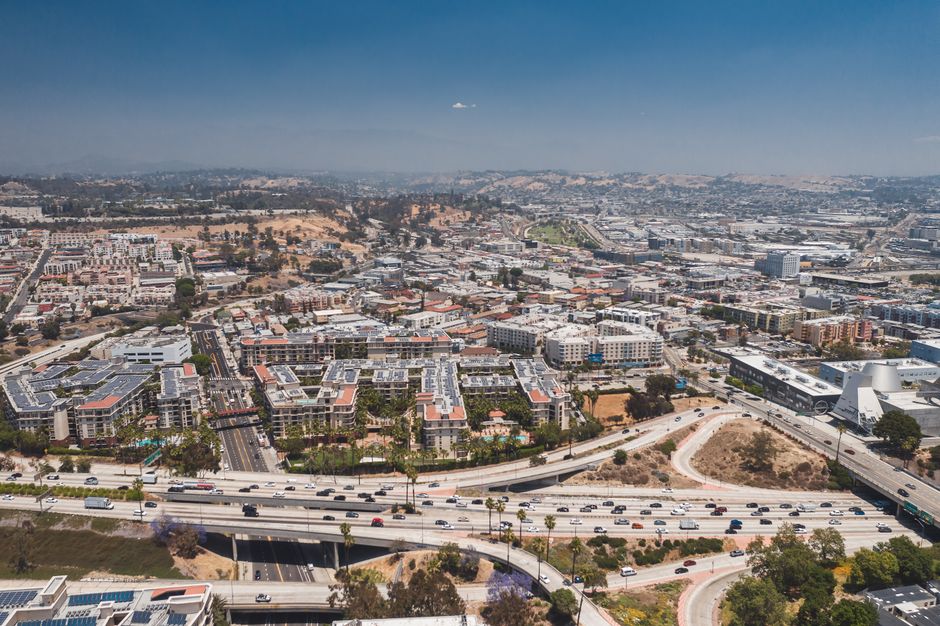
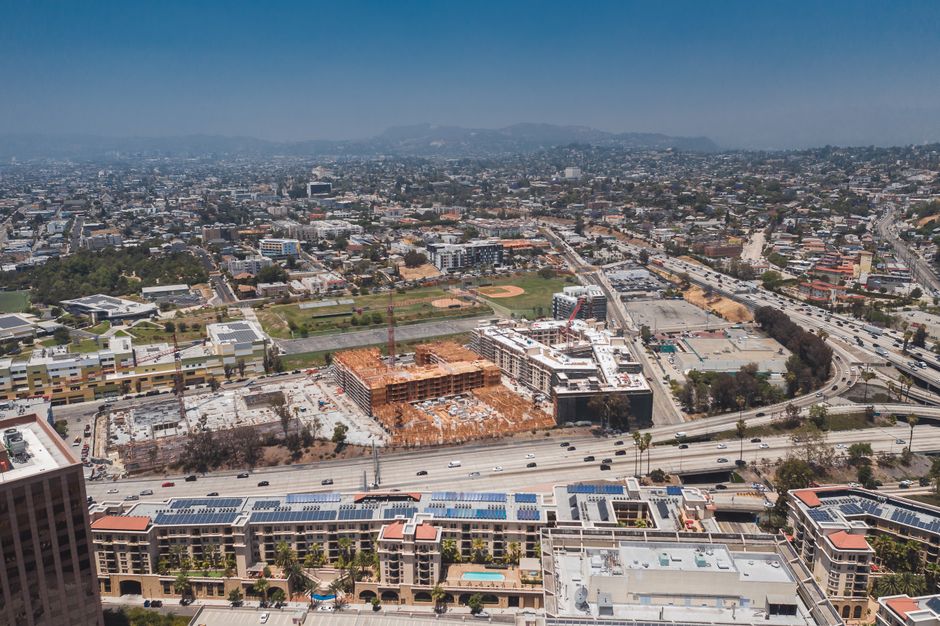
Los Angeles's rental market is undergoing a seismic shift as construction cranes multiply across neighborhoods from Silver Lake to East LA, raising a thorny question: who benefits when new developments arrive?
The numbers tell a complicated story. With the median home price hovering near $870,000, renters have increasingly become the backbone of LA's housing ecosystem. Yet new development approvals—which surged 34% in the past eighteen months according to city planning data—are creating parallel realities for different classes of residents.
In Echo Park, where the iconic lake has become a flashpoint for gentrification conversations, several mid-rise rental projects approved for construction along Sunset Boulevard promise 600+ new units by 2029. For some landlords operating older properties nearby, this influx of modern competition is forcing difficult choices. "Owners with aging buildings are either investing heavily in upgrades or reconsidering their portfolios," explains housing policy observers tracking the trend. Rents for newly constructed units in the neighborhood are commanding $2,100 to $2,400 for two-bedrooms—substantially above the neighborhood median of just three years ago.
The impact on existing tenants proves more precarious. As new developments attract market-rate leasing, property owners holding smaller, rent-controlled buildings face pressure to convert or sell. Community organizations operating along Whittier Boulevard in East LA report increased inquiries from residents facing displacement as their landlords capitalize on rising land values. The neighborhood's rapid ascent—fueled by new Metro connectivity and developer interest—has created urgency for tenants seeking stability.
Some bright spots emerge from the chaos. The ADU boom—which the city has aggressively encouraged through zoning changes—offers homeowners in areas like the Hollywood Hills foothills additional income while preserving existing neighborhoods from large-scale redevelopment. These small, owner-built units provide rental inventory without the displacement pressures of major construction projects.
The city's 'Housing Initiative 2026' aims to thread this needle by encouraging mixed-income developments and tenant protections alongside approvals. Yet implementation remains uneven. Developers securing permits in rapidly appreciating areas like Silver Lake face fewer incentives to include affordable components compared to those building in stable neighborhoods.
As construction accelerates through 2027 and beyond, LA's rental market increasingly reflects a two-tiered system: new units serving those who can afford modern amenities, and existing stock shrinking for those who cannot. For landlords and tenants alike, the boom offers opportunity and threat in nearly equal measure.
This article was compiled by AI from the sources linked above and screened before publishing. See our editorial standards.
How does this story make you feel?
Spread the word
About this article
Published by The Daily Los Angeles
Daily brief
Free, in your inbox before 7am. Weekdays.
More in Property