LA Rental Yields Under Pressure: What the Numbers Really Show for Investors
With median home prices hovering near $870,000, Los Angeles landlords are discovering that capital appreciation alone no longer guarantees solid investment returns.
With median home prices hovering near $870,000, Los Angeles landlords are discovering that capital appreciation alone no longer guarantees solid investment returns.
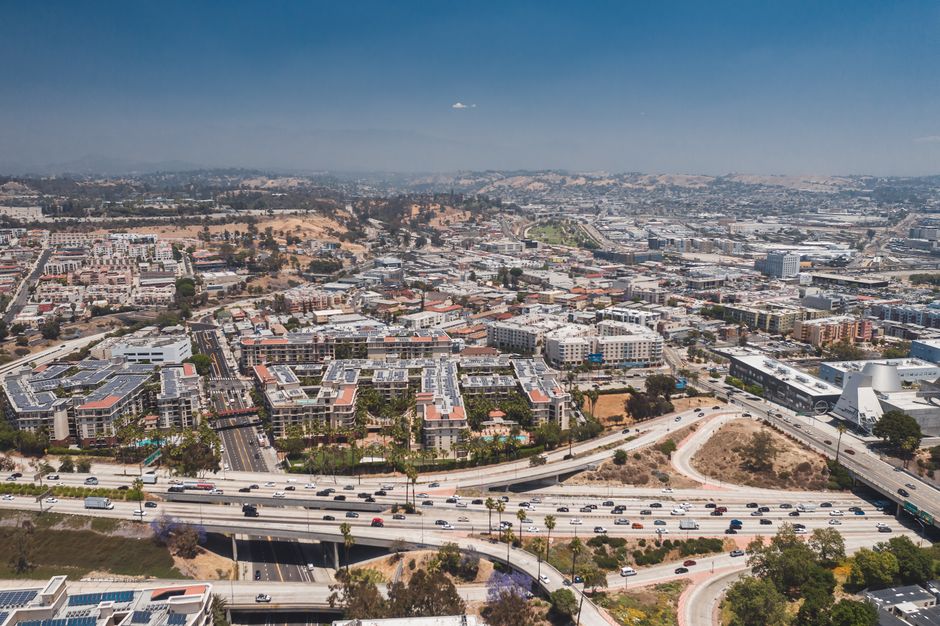
The traditional Los Angeles investment play—buy, wait, sell at profit—is increasingly competing with a harder truth: rental yield on the dollar has compressed significantly across the metro area. For property investors eyeing portfolios from Silver Lake to Echo Park, understanding what the numbers actually reveal about income-generating property has become essential.
Current gross rental yields in desirable LA neighbourhoods typically hover between 3 and 4 percent annually. That means a $700,000 property in Echo Park generating $2,100 monthly rent—roughly $25,200 annually—delivers a gross yield of just 3.6 percent. Factor in property taxes, insurance, maintenance, vacancies, and property management fees (typically 8–12 percent of rent), and net yields often drop to 1.5–2 percent. This compression reflects the disconnect between purchase prices and achievable rents across Los Angeles County.
East LA presents a contrasting picture. Neighbourhoods experiencing rapid gentrification—particularly around Brooklyn Avenue and Whittier Boulevard—show slightly elevated gross yields reaching 4–5 percent, though risk factors are elevated. The ADU boom in single-family zones has created a secondary income angle: accessory dwelling units in Silver Lake or Los Feliz can add $1,500–$2,200 monthly to a property's cash flow, potentially lifting overall yields to 4–5 percent when calculated against the combined property value.
The Bel Air and Hollywood Hills luxury segment tells a different story. High-end homes commanding $3 million-plus rarely justify themselves purely on rental income; these remain appreciation plays for ultra-high-net-worth investors. Seasonal short-term rental platforms have altered the equation somewhat, though regulatory headwinds around unhosted STRs continue to tighten.
Several factors are reshaping investor calculus. Interest rates on investment mortgages remain elevated. Property tax increases—even modest ones—compress margins significantly. And the broader economic picture suggests wage growth may not keep pace with purchase prices, potentially capping rent growth rates.
For investors reconsidering their approach, the data suggests hybrid strategies work. Purchasing in emerging corridors like East LA offers yield potential with upside appreciation. Adding ADUs to existing stock, particularly in mid-tier neighbourhoods, diversifies income without requiring additional land acquisition. And accepting lower yields while banking on modest appreciation remains viable only if investor patience and capital reserves justify 5–10 year holding periods.
The bottom line: LA's property market has fundamentally shifted. Investors expecting 5–6 percent yields on residential rental income are chasing figures the current market doesn't support. Success increasingly requires either exceptional market timing, value-add strategies, or patient capital willing to accept single-digit returns.
This article was compiled by AI from the sources linked above and screened before publishing. See our editorial standards.
How does this story make you feel?
Spread the word
About this article
Published by The Daily Los Angeles
Daily brief
Free, in your inbox before 7am. Weekdays.
More in Property