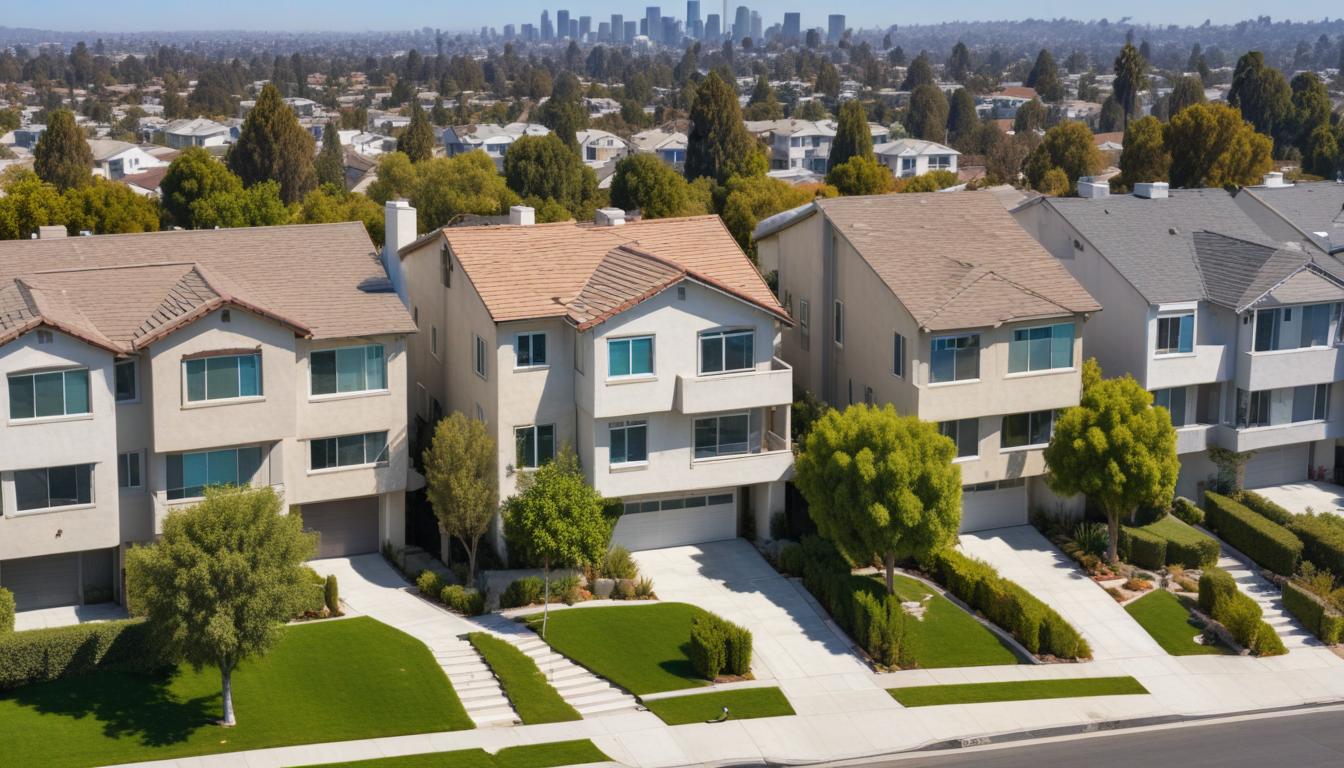
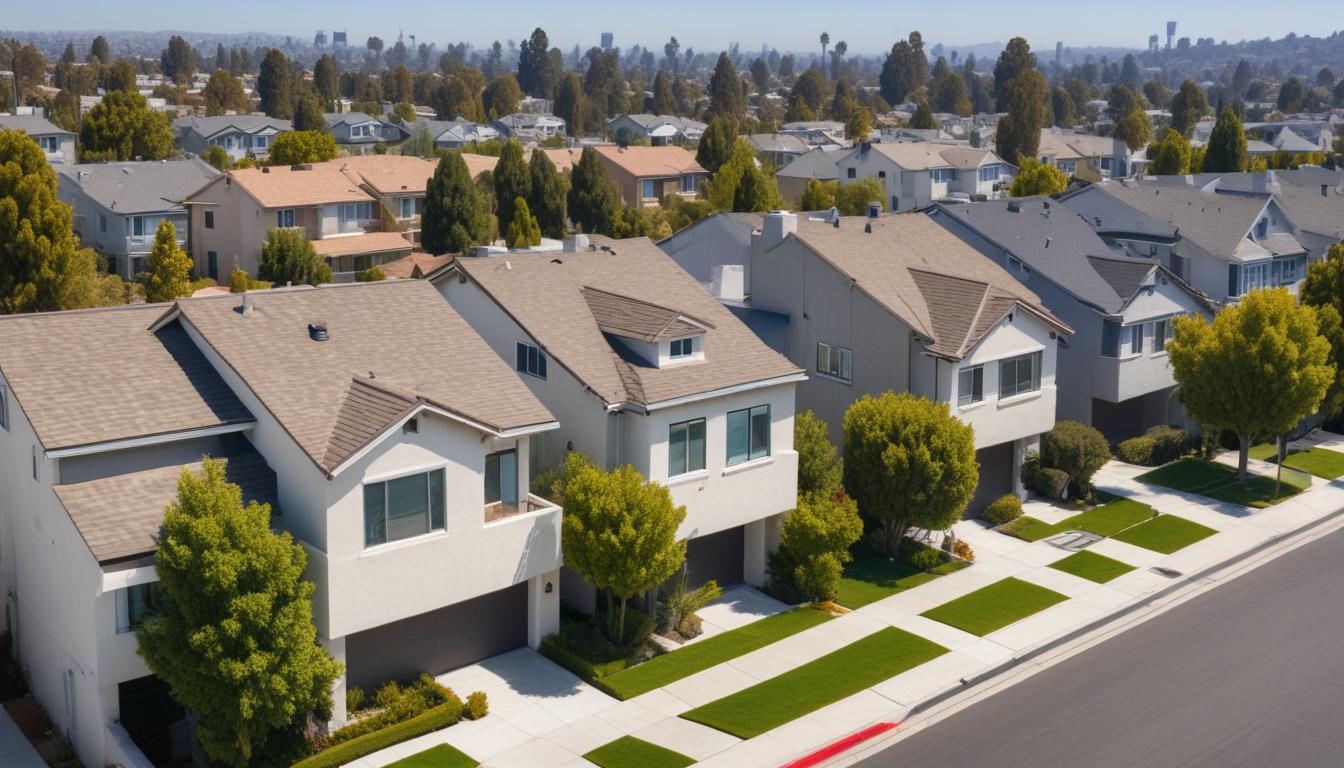
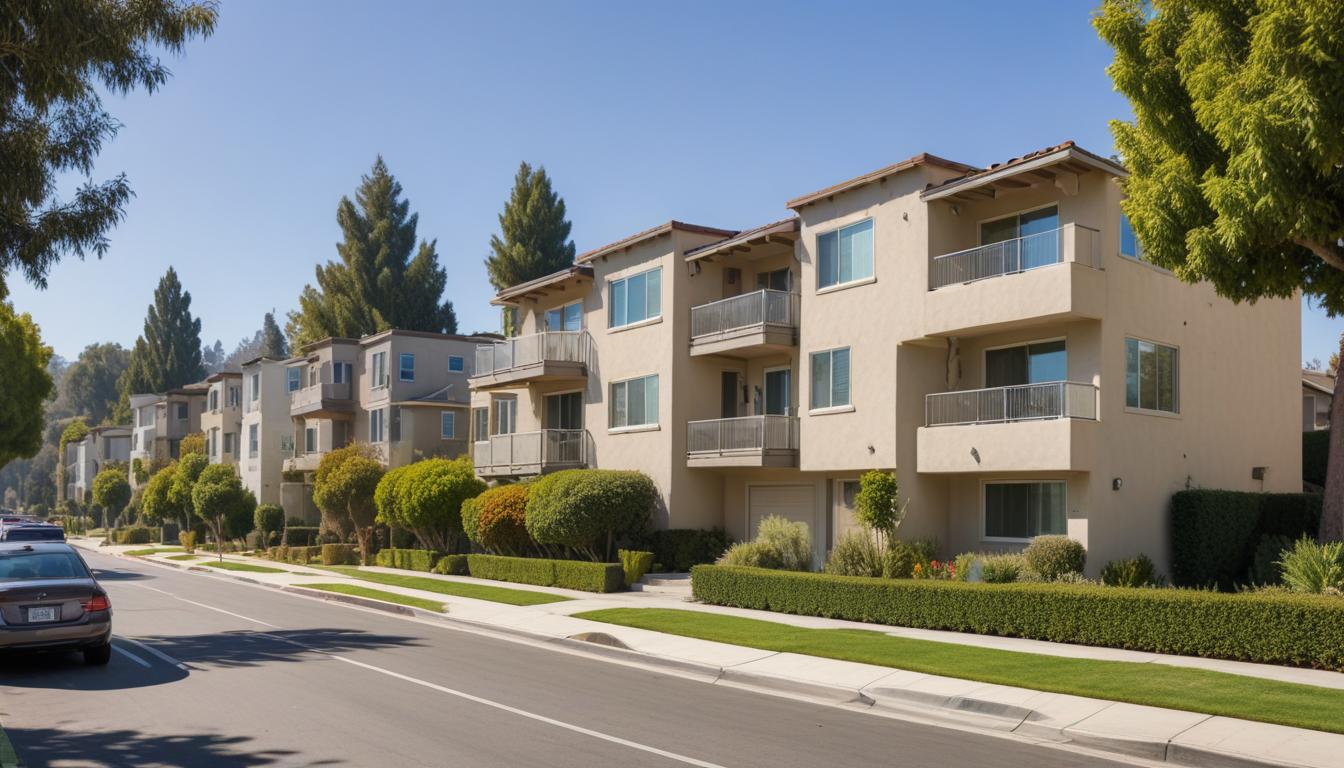
While Silver Lake and Echo Park have long dominated LA's rental conversation, savy investors are quietly reshaping Boyle Heights into the city's most compelling opportunity. The neighbourhood, bounded by the LA River and home to generations of Latino families, is experiencing a rental vacancy crisis that's driving yields upward and attracting capital from across the region.
Current data shows Los Angeles' overall rental vacancy sits at just 3.2%—well below the 5-6% threshold economists consider healthy. But in Boyle Heights, the squeeze is tighter still. Properties along Whittier Boulevard and within a five-minute walk of the Gold Line's Boyle Heights station are commanding premium rents, with modest two-bedroom units now fetching $2,100-$2,400 monthly, up nearly 15% year-on-year. A decade ago, the same properties rented for under $1,600.
The catalyst? Transit accessibility and cultural cachet. The Gold Line's extension has reduced commute times to Downtown and Pasadena dramatically, while the neighbourhood's thriving street-art scene, independent galleries, and establishments like Hollyhock House and the Geffen Contemporary have elevated its profile beyond traditional industrial warehouse conversions. Young professionals working in tech and entertainment increasingly view Boyle Heights as a more affordable alternative to Los Feliz or Silver Lake, where median rents have breached $3,000 for comparable units.
Real estate investors are responding aggressively. ADU construction permits in the 90023 zip code have tripled since 2024, according to municipal records. Landlords are converting single-family homes into multi-unit rentals, capitalising on zoning reforms that previously restricted such developments. A typical 1,200-square-foot bungalow, purchased for $780,000 two years ago, can now generate $4,500-$5,200 in combined rental income through a main house and detached ADU.
Yet this boom carries tension. Community organisations including the Boyle Heights Alliance Against Artwashing and Displacement warn that rapid gentrification threatens the neighbourhood's character and affordability for long-standing residents. Average rents now consume 45% of household income for many families—well above the recommended 30% threshold.
For investors, however, the numbers are compelling. With LA's rental vacancy at historic lows and demand from remote workers seeking transit-friendly neighbourhoods, Boyle Heights offers yields approaching 5.5% annually—substantially higher than stagnant luxury markets. Whether this represents sustainable growth or unsustainable displacement remains the neighbourhood's defining question.
This article was compiled by AI from the sources linked above and screened before publishing. See our editorial standards.