The squeeze: how rental market conditions are reshaping life for LA tenants and landlords alike
With yields under pressure and rents climbing faster than incomes, both sides of the Los Angeles rental equation face a reckoning.
With yields under pressure and rents climbing faster than incomes, both sides of the Los Angeles rental equation face a reckoning.

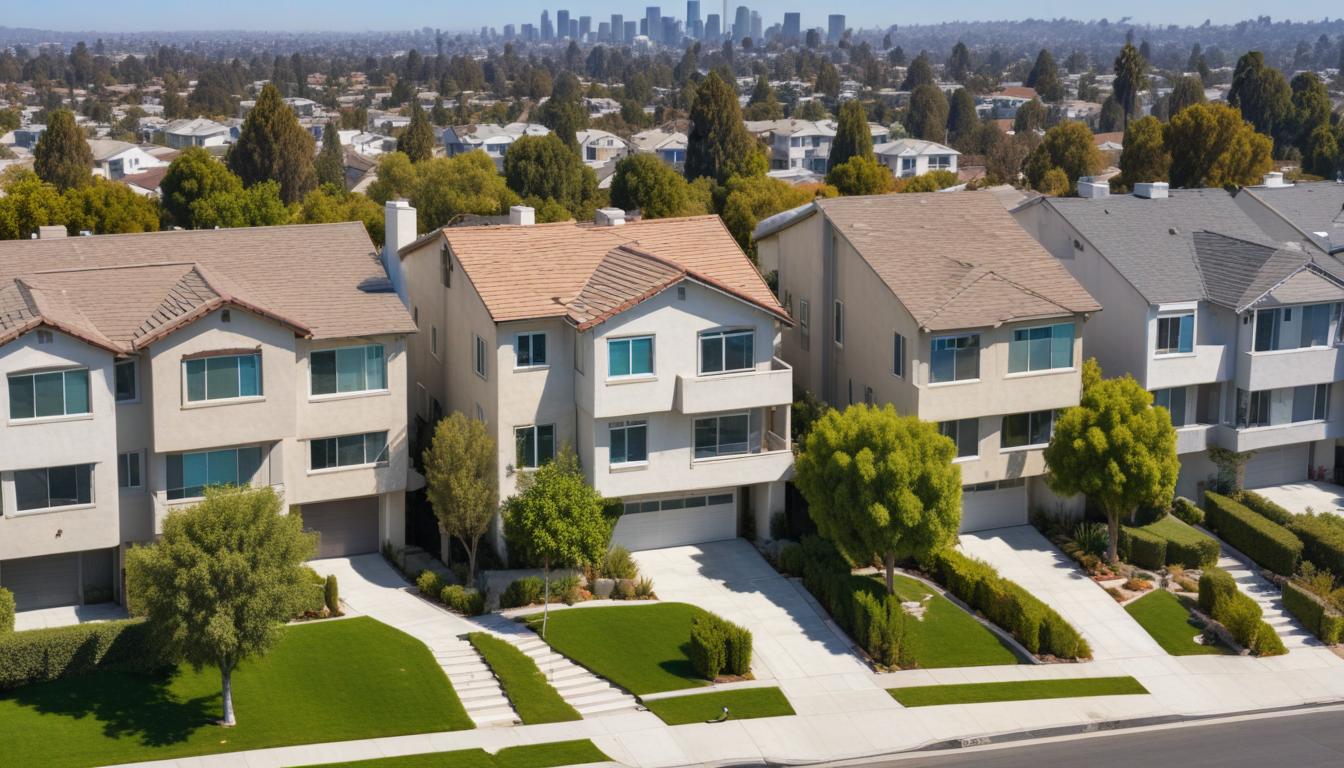
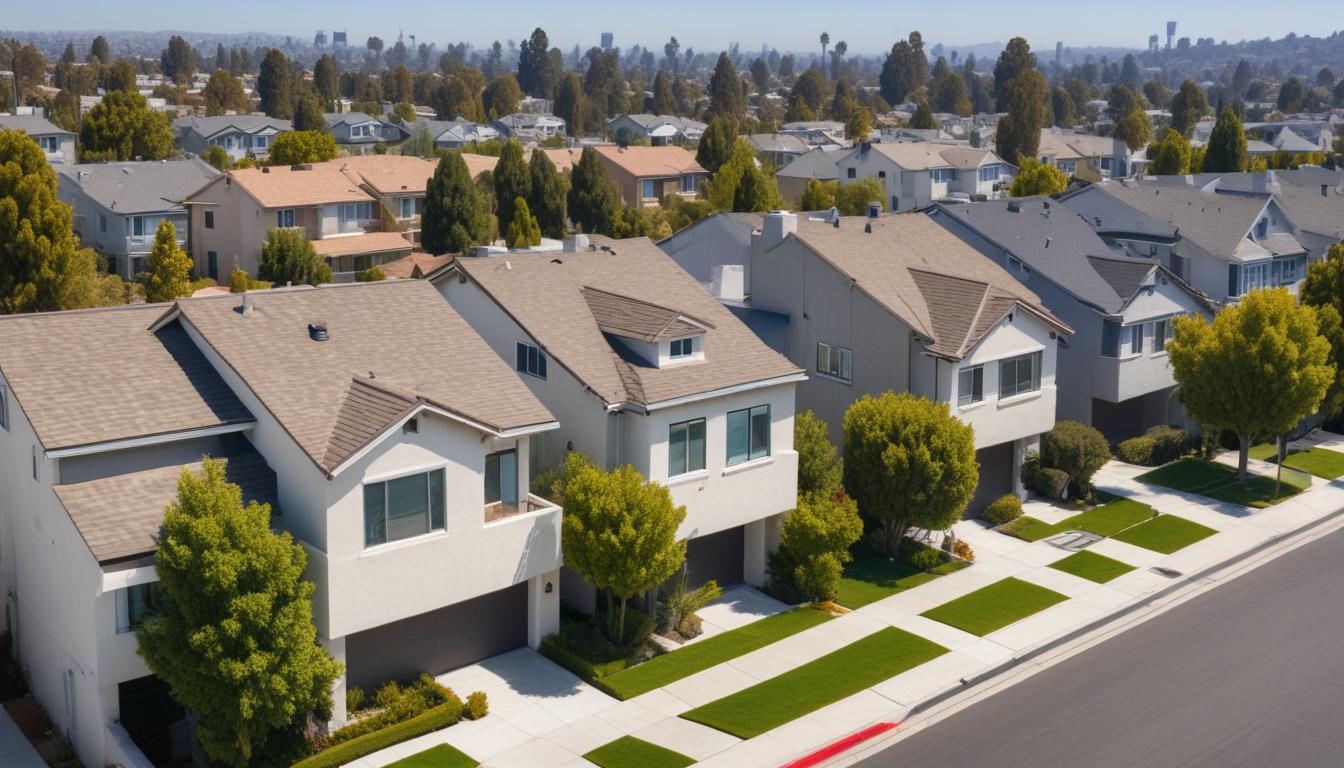
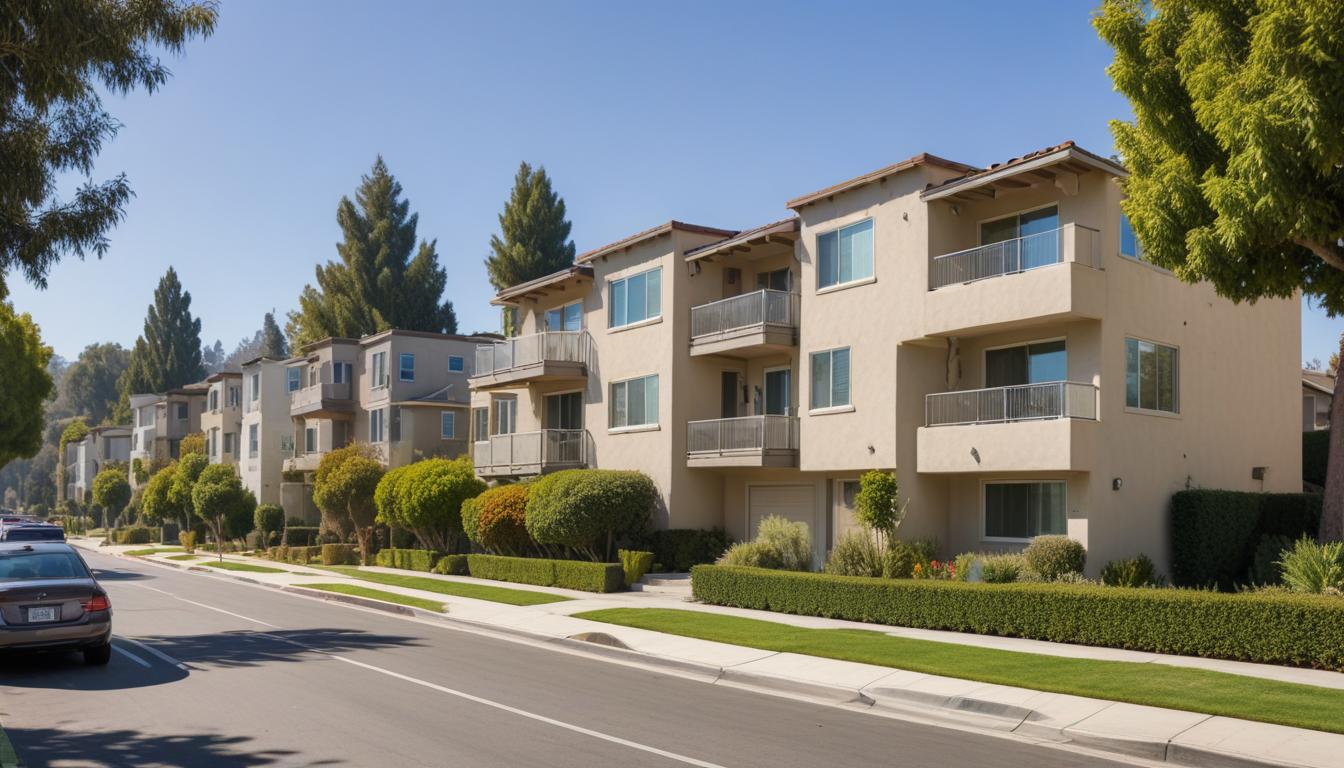
Los Angeles landlords are caught between competing pressures. Property values have soared—the median home price hovers near $870,000—yet rental yields have compressed, making pure cash-flow returns increasingly elusive. For tenants, the consequence is sharper: rents across Silver Lake and Echo Park now regularly exceed $2,800 for a one-bedroom, while East Los Angeles, long considered more affordable, is experiencing double-digit annual increases as investors chase emerging neighbourhoods.
The numbers tell a story of tension. With property values elevated and mortgage rates still elevated relative to the pandemic era, landlords chasing yield have begun demanding rent increases that outpace inflation. A two-bedroom in Hollywood Hills might generate only 3-4% annual yield before expenses—insufficient for many passive investors who entered the market during cheaper buying windows. The response has been swift: landlords are passing costs to tenants, or worse, exiting the market entirely to sell.
This dynamic is reshaping rental neighbourhoods. In areas like Los Feliz and Silver Lake, where young professionals and creative workers once found relatively stable housing, turnover is accelerating. Tenants face shorter lease terms, steeper increases at renewal, and landlords citing rising property taxes and maintenance costs. Meanwhile, the booming ADU market—with new accessory dwelling units sprouting across single-family zones—promises additional supply but hasn't yet moved the needle on affordability for renters seeking traditional apartments.
Savvy landlords are adapting. Those who bought earlier and carry lower mortgage loads are maintaining competitive rents to ensure stability and reduce vacancy. Others are investing in property upgrades—modernising kitchens or adding in-unit laundry—to justify premium pricing. Professional property management companies, from Century City to Pasadena, report increasing demand as individual landlords seek to optimise operations and navigate California's tenant-protective regulations.
For tenants, the pressure is real. Organisations tracking housing affordability note that renters across LA are spending a larger share of income on housing than at any point in the past decade. Young families are considering moves to the San Gabriel Valley or inland Empire, while essential workers in service industries face genuine displacement.
The longer-term question looms: can the rental market sustain current price trajectories, or will reduced tenant demand and regulatory changes force a recalibration? For now, both landlords and renters are learning to navigate a market that rewards early positioning but punishes latecomers—a distinctly Los Angeles problem in an expensive housing era.
This article was compiled by AI from the sources linked above and screened before publishing. See our editorial standards.
How does this story make you feel?
Spread the word
About this article
Published by The Daily Los Angeles
Daily brief
Free, in your inbox before 7am. Weekdays.
More in Property