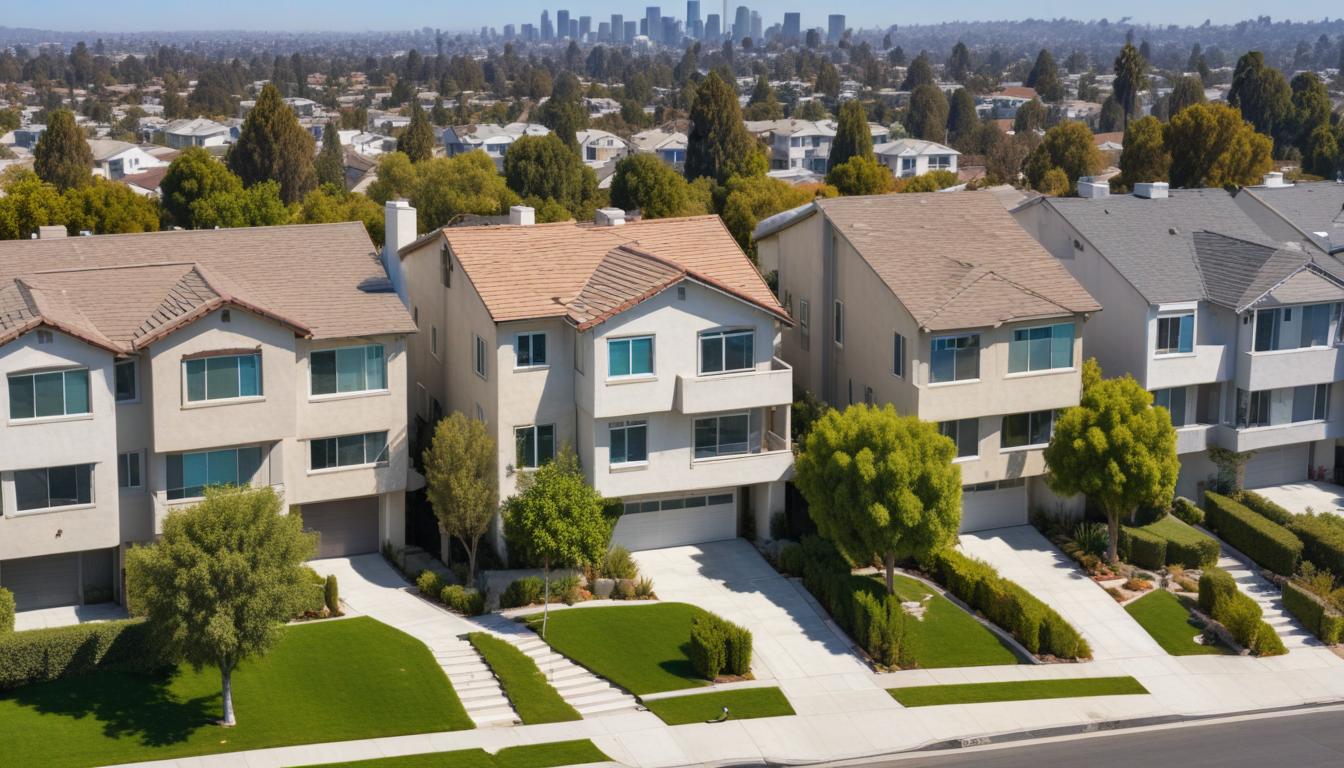
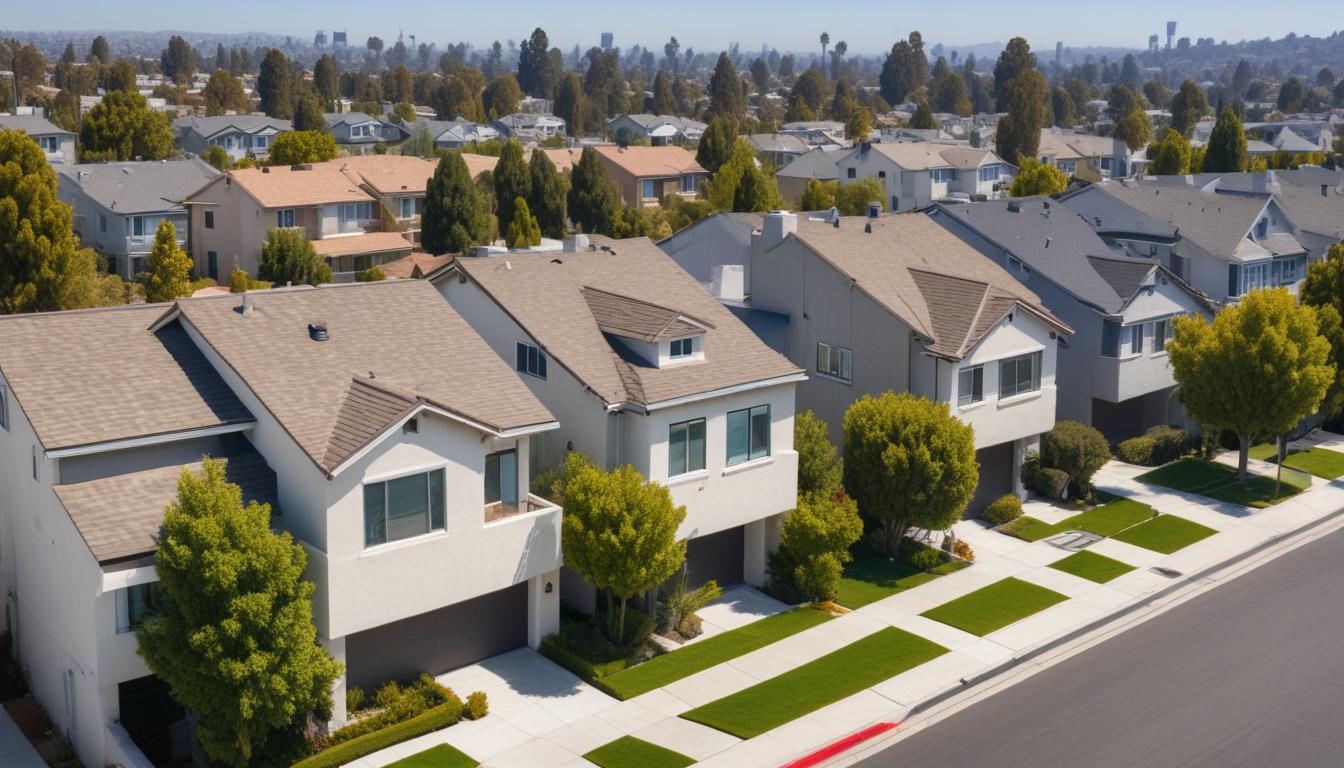
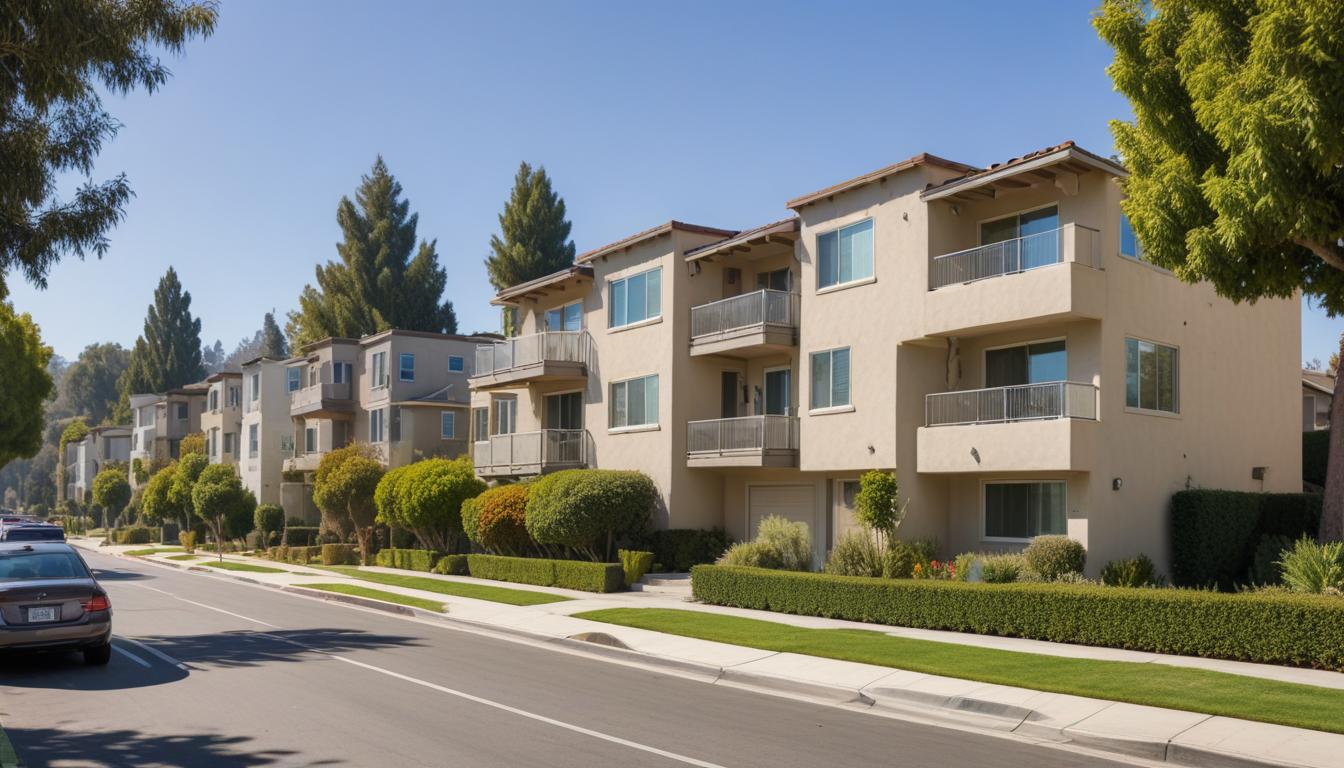
The rental calculus in Los Angeles has shifted dramatically. Where landlords once enjoyed comfortable margins, today's investment property owners are navigating a market compressed by regulatory headwinds, rising maintenance costs, and tenant protections that have fundamentally altered the investment landscape across neighbourhoods from Silver Lake to East LA.
The numbers tell the story. With the median LA home price hovering around $870,000, rental yields on single-family properties have contracted to historically thin levels—typically 3-4% gross, or closer to 1-2% net after expenses. A modest property on Effie Street in Silver Lake, valued at $1.2 million, might rent for $4,500 monthly, leaving landlords with tight margins when property taxes, insurance, and maintenance are factored in. Meanwhile, tenants face unprecedented affordability pressures, with rents in prime neighbourhoods like Echo Park regularly exceeding $3,000 for two-bedroom units.
California's rent control framework, which caps increases at 5% plus inflation annually, has squeezed landlords managing older stock, while simultaneously failing to deliver meaningful relief to renters priced out of neighbourhoods where gentrification has accelerated. The regulatory environment has pushed some small-time investors to exit the market entirely, concentrating ownership among institutional players and larger portfolios better positioned to absorb tight margins.
East LA's emergence as an investment frontier reflects this dynamic. Younger investors are targeting the area around Whittier Boulevard and César Chávez Avenue, where median prices remain 20-30% below comparable properties in Silver Lake. Yet here too, the yield-chasing mentality meets tenant realities: many residents are long-term communities with limited household income growth, making further rent escalation untenable without displacement.
The ADU boom—particularly in hillside neighbourhoods where zoning permits—has offered partial relief for some property owners, creating secondary rental income streams. Yet this strategy carries its own complications: tenant screening becomes more complex, and maintenance responsibility doubles.
For thoughtful landlords, the path forward requires repositioning expectations. Properties generating sub-3% yields belong in buy-and-hold portfolios emphasizing long-term appreciation rather than immediate cash flow. Strategic property selection matters more than ever: well-maintained units in stable neighbourhoods with reasonable tenant bases outperform aggressively leveraged plays chasing incremental rent increases.
The rental market that emerges in 2026 rewards patience and selectivity—qualities that stand in sharp contrast to the aggressive expansion many investors pursued through the pandemic. In LA, that's becoming the new calculus.
This article was compiled by AI from the sources linked above and screened before publishing. See our editorial standards.