First-Time Landlord's Playbook: Navigating LA's Investment Property Market in 2026
With median home prices holding around $870k, first-time investors need strategy—not just capital—to unlock meaningful yields across LA's fragmented neighbourhoods.
With median home prices holding around $870k, first-time investors need strategy—not just capital—to unlock meaningful yields across LA's fragmented neighbourhoods.
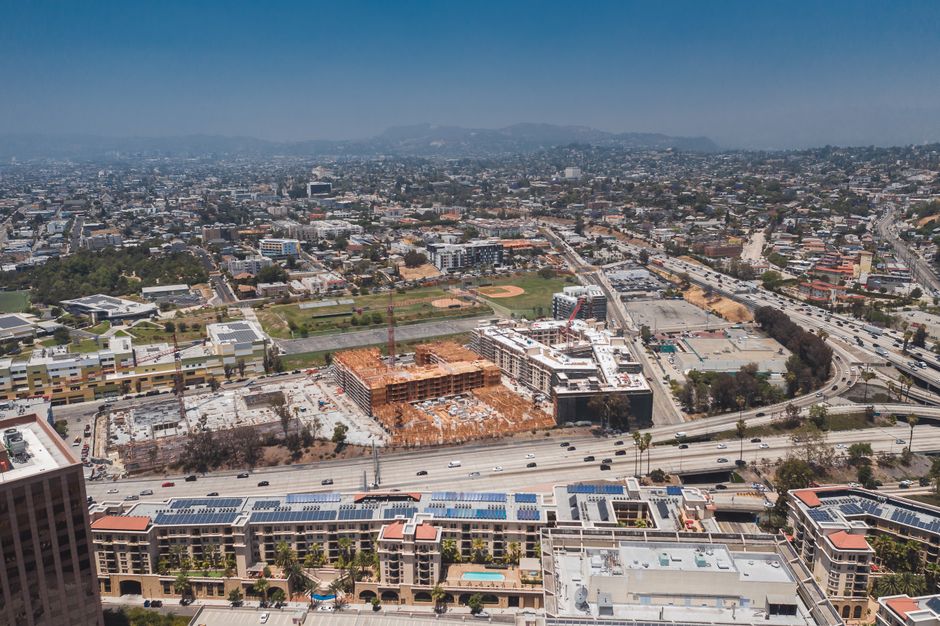
The LA property investment market in mid-2026 presents a paradox: prices remain elevated, yet yield opportunities exist for buyers willing to think strategically. For first-time landlords, success hinges on neighbourhood selection, realistic return expectations, and understanding where tenant demand actually clusters.
The conventional wisdom—splash capital into Silver Lake or Echo Park and watch returns flow—no longer holds. These inner-west hotspots, while culturally magnetic, now price out meaningful yield plays. A modest two-bedroom in Silver Lake easily commands $850k–$950k, leaving little margin for positive cashflow when factoring in LA County's aggressive property taxes and maintenance costs typical of older Craftsman stock.
Savvier first-timers are looking eastward. East LA and Lincoln Heights offer emerging fundamentals: younger demographic inflow, improving transit connectivity, and rental demand from professionals priced out of trendier zones. Properties here trade at 15–20% discounts to comparable West Side stock, and per-square-foot rents remain competitive. A $650k purchase price with $2,100 monthly rent creates genuine yield leverage—especially critical in a market where negative cashflow erodes investor conviction.
The accessory dwelling unit boom reshapes the calculus entirely. Building an ADU on a primary residence—increasingly permissible across LA following recent zoning reforms—can inject $1,200–$1,800 monthly income from a $150k–$250k build. First-time buyers treating an ADU as a yield multiplier, rather than an afterthought, are substantially outperforming traditional single-unit strategies.
Before purchasing, interrogate three variables ruthlessly: comparable rents (check 30–50 recent listings on major portals), property condition reports (LA's 1920s–1970s building stock surprises with hidden structural costs), and vacancy patterns in your target neighbourhood. Downtown LA's rental market, for instance, has stabilised after 2023 disruptions, but turnover costs remain steep.
Tax strategy matters disproportionately. Consult an accountant before purchasing; depreciation deductions, 1031 exchanges for portfolio growth, and entity structuring can meaningfully impact net returns. Many first-timers overlook these, costing themselves 15–20% in unnecessary tax burden.
The Hollywood Hills and Bel Air remain speculative plays—capital appreciation, not yield. For yield-focused first-timers, the unsexy neighbourhoods yield unsexy but reliable returns. Focus on Koreatown, Arts District edges, or emerging pockets along the 110 corridor. Your portfolio will thank you.
This article was compiled by AI from the sources linked above and screened before publishing. See our editorial standards.
How does this story make you feel?
Spread the word
About this article
Published by The Daily Los Angeles
Daily brief
Free, in your inbox before 7am. Weekdays.
More in Property