Why LA Home Prices Keep Climbing: The Forces Reshaping Your Market Right Now
From supply shortages to zoning reform, here's what's actually moving the needle on affordability in Los Angeles.
From supply shortages to zoning reform, here's what's actually moving the needle on affordability in Los Angeles.
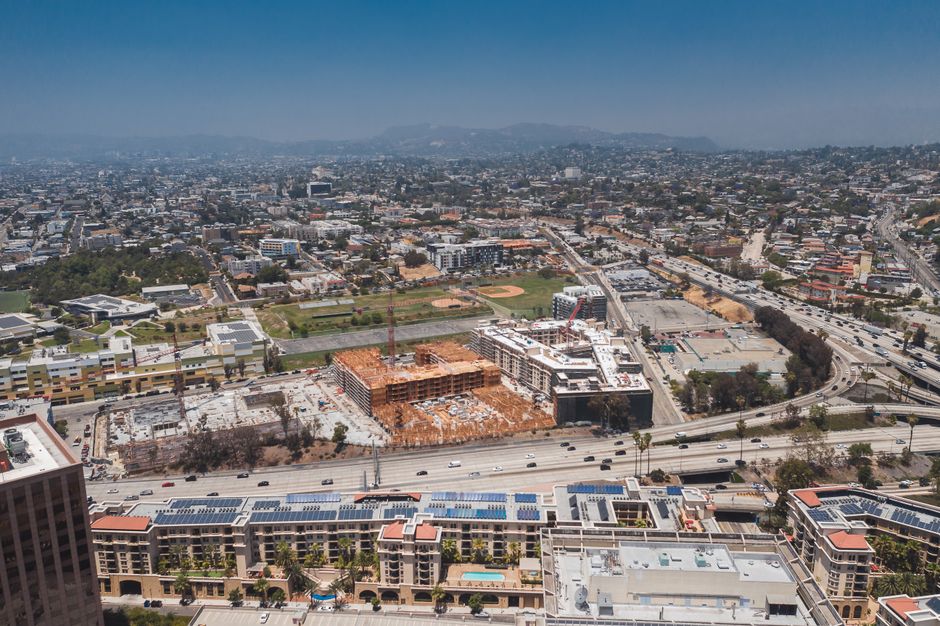
The Los Angeles housing market remains locked in a paradox: prices continue their climb toward the $870,000 median even as affordability metrics worsen for ordinary buyers. Understanding what's driving this disconnect has never been more critical for anyone considering a purchase in 2026.
The fundamental culprit remains unchanged: supply. LA's constrained housing inventory—exacerbated by decades of restrictive zoning—keeps prices elevated across every tier. While new ADU (Accessory Dwelling Unit) legislation has unlocked pockets of opportunity in neighbourhoods like Eagle Rock and Boyle Heights, the pace hasn't matched demand. Meanwhile, East LA continues absorbing buyer interest priced out of Silver Lake and Echo Park, where median prices have approached $1.2 million, creating a ripple effect that's compressed affordability across the entire basin.
Interest rate volatility has also reshaped buyer psychology. After several years of rate uncertainty, many purchasers have locked in longer financing windows, removing them temporarily from the active market. This has ironically stabilized prices in mid-range segments ($700k–$950k) while luxury properties in Hollywood Hills and Bel Air show more elasticity, with some sellers adjusting expectations.
Institutional investment deserves scrutiny. Private equity and investment firms have accelerated acquisitions of multi-unit properties and development-ready land parcels, particularly along corridors near transit. A vacant industrial site near the Arts District sold for nearly $2 million recently, signalling speculative confidence in future zoning changes—a bet that trickles down as eventual rent and purchase price pressure.
For buyers navigating this environment, timing considerations have shifted. The 2026 market rewards those who can demonstrate financial flexibility and speed. Properties that tick multiple boxes—proximity to Metro stations, ADU-ready lots, or locations in up-zoning corridors—command premiums. The Hollywood area's modest inventory combined with its proximity to employment centres keeps competition fierce.
Affordability-focused programmes through organisations like the LA Housing Department remain available but often require income qualification and have lengthy timelines. Savvy buyers are exploring alternatives: partnerships on ADU builds, off-market transactions in transitional neighbourhoods, and longer-term rent-to-own arrangements gaining traction across Southeast LA.
The underlying reality is this: prices reflect both constraint and expectation. LA's regulatory environment is slowly loosening, but supply creation lags dramatically behind household formation. Until construction volume meaningfully increases—or demand softens—expect continued pressure on affordability, particularly for households earning $120,000–$200,000 annually, the true squeezed middle of the LA market.
This article was compiled by AI from the sources linked above and screened before publishing. See our editorial standards.
How does this story make you feel?
Spread the word
About this article
Published by The Daily Los Angeles
Daily brief
Free, in your inbox before 7am. Weekdays.
More in Property