New LA developments promise relief, but affordable housing still hangs in the balance
From Silver Lake to Echo Park, ambitious building projects are reshaping neighbourhoods—yet the question remains: who will actually be able to afford them?
From Silver Lake to Echo Park, ambitious building projects are reshaping neighbourhoods—yet the question remains: who will actually be able to afford them?
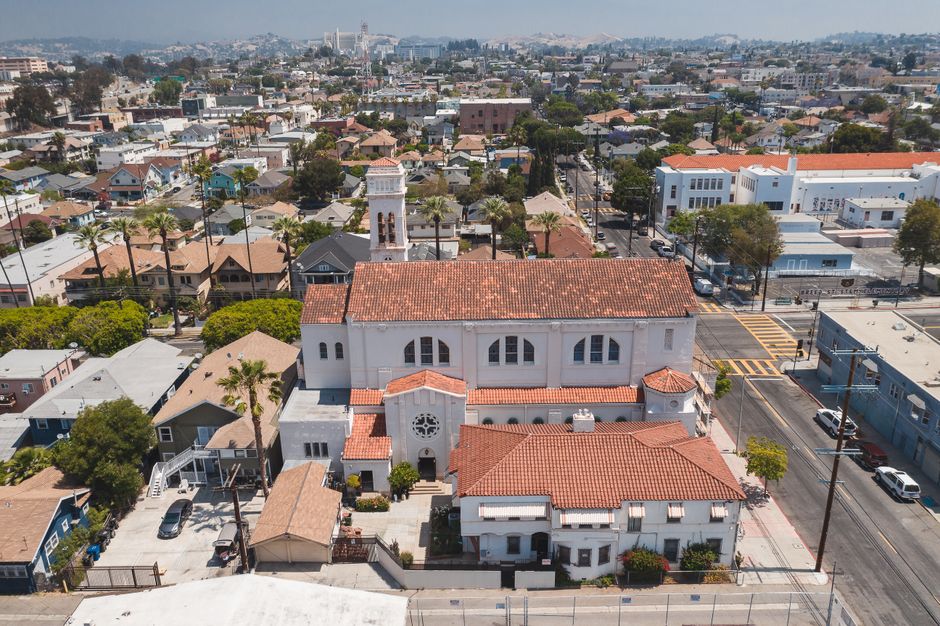
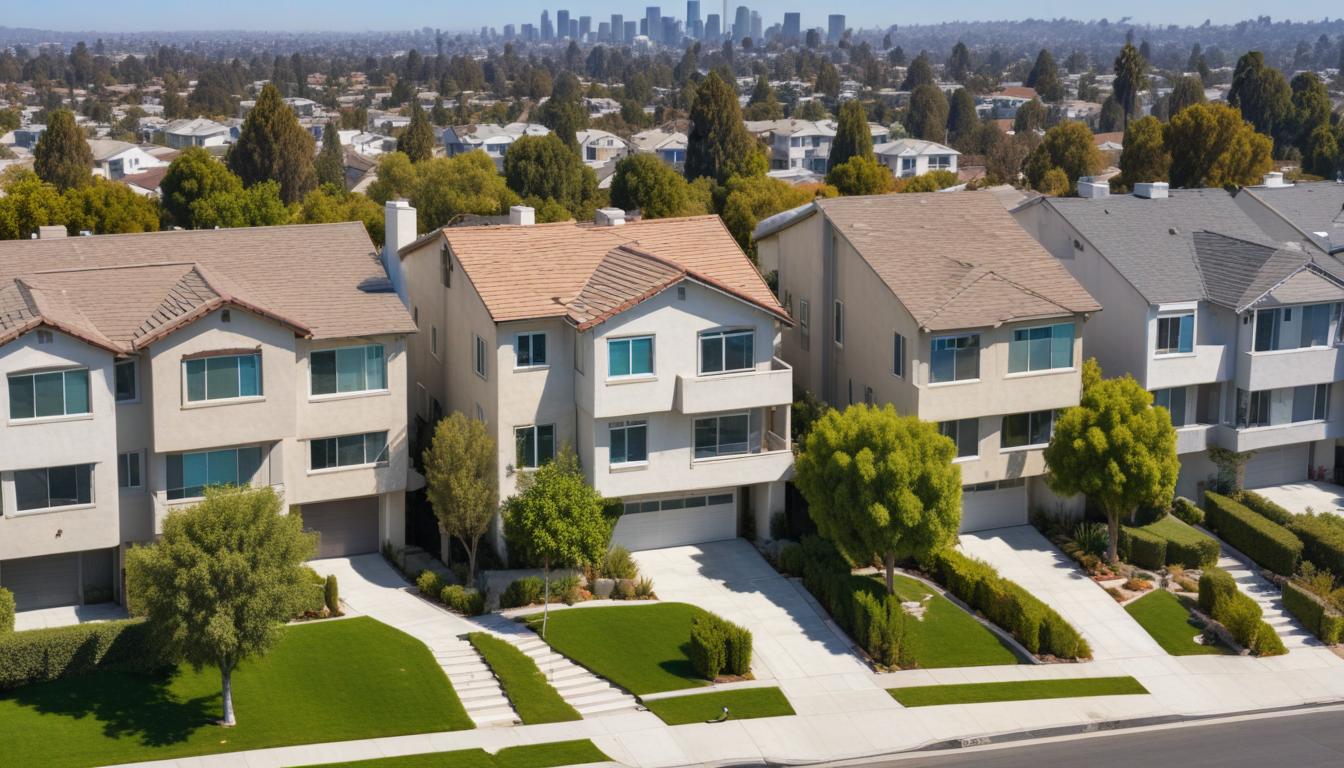
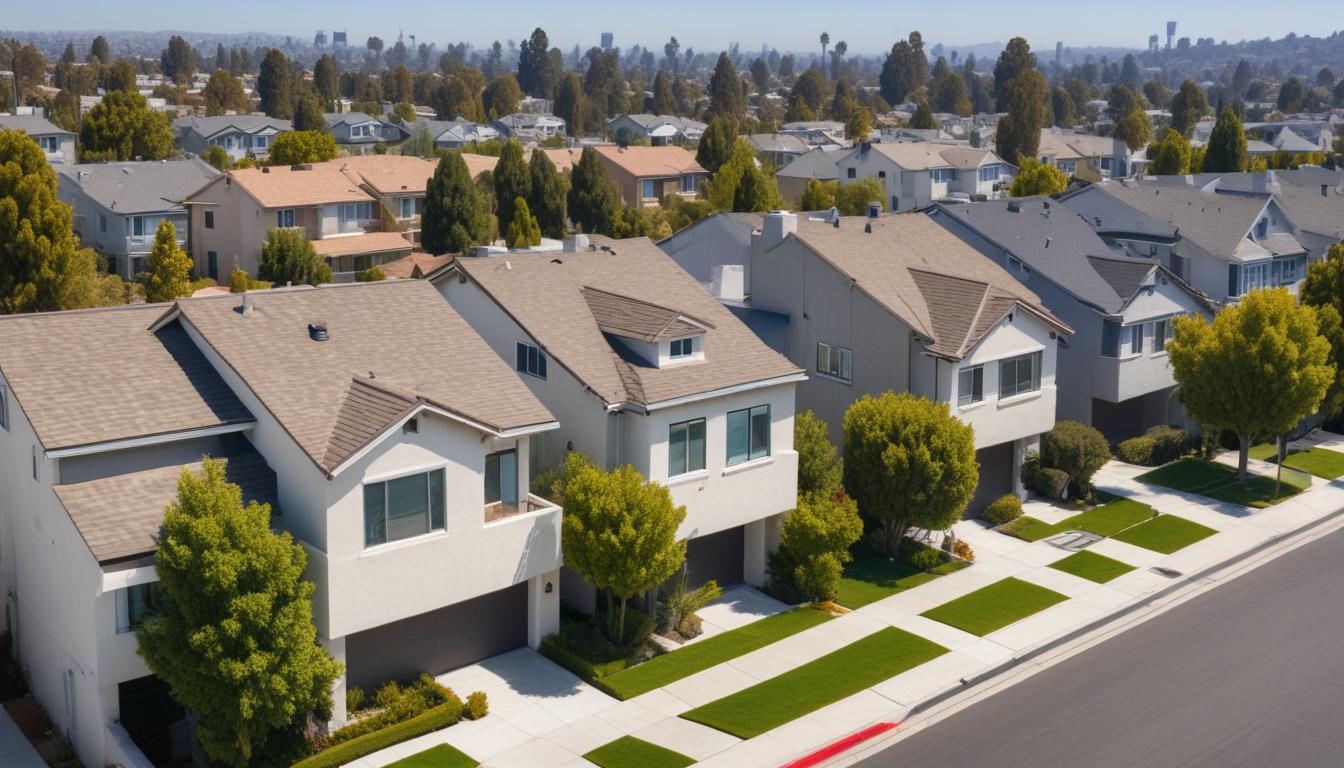
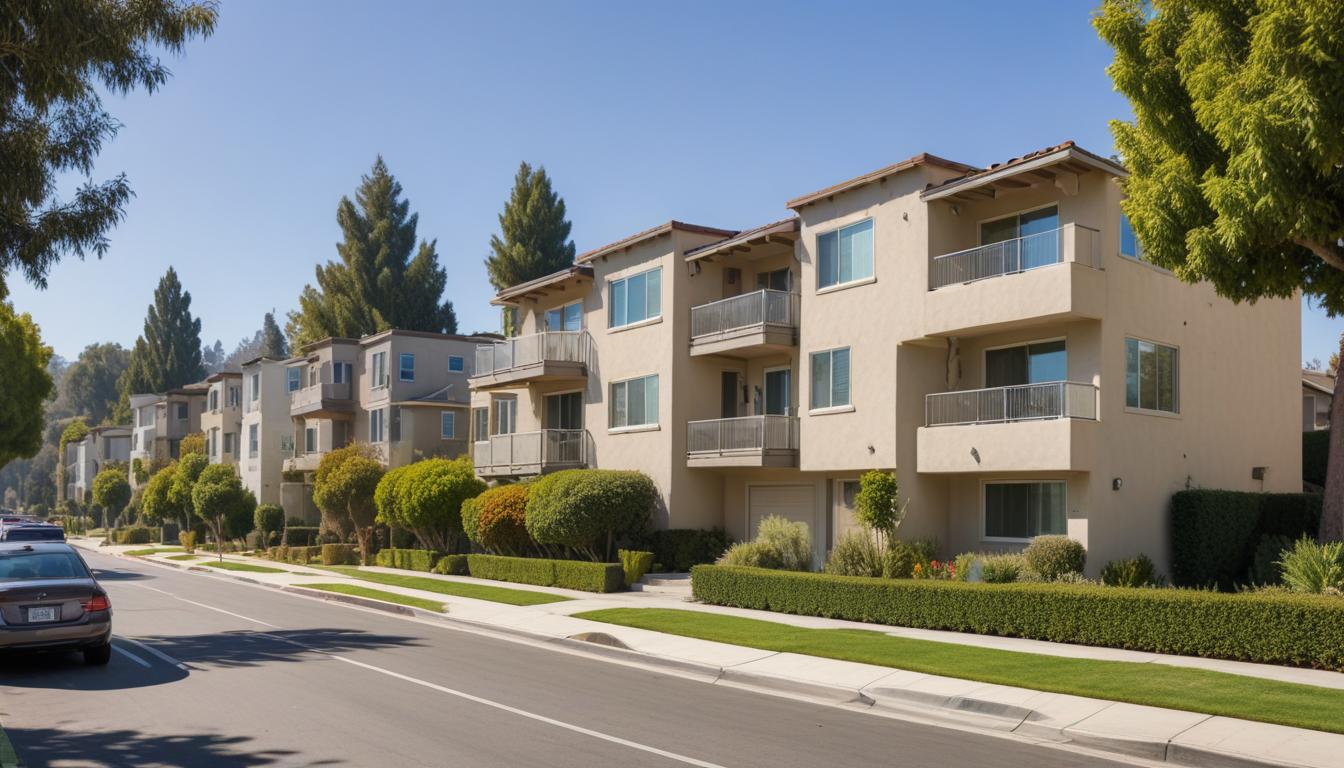
Los Angeles is experiencing a construction boom that hasn't been seen in a decade. Cranes dot the skyline from Downtown to the Eastside, with developers racing to deliver everything from mixed-use towers to mid-rise apartment complexes. But as the median home price hovers around $870,000 and inventory remains tight, these new projects reveal a peculiar paradox: more housing doesn't necessarily mean more affordable housing.
The momentum is undeniable. Along Sunset Boulevard and in rapidly gentrifying neighbourhoods like Silver Lake and Echo Park, major projects are breaking ground. The proliferation of accessory dwelling units (ADUs) across East LA and the San Fernando Valley reflects one grassroots response to the crisis. Yet these developments, individually rational for investors, are aggregating into something more complex.
Consider the economics: a 200-unit apartment building completed in Silver Lake this year is marketing one-bedroom units starting at $2,400 per month—well above what middle-income households can manage. Meanwhile, the developers argue they're meeting demand and expanding supply, which theoretically should ease pressure. The theory, however, hasn't translated into relief for renters or first-time buyers in traditionally working-class areas.
East LA's transformation exemplifies the tension. As new construction encroaches on traditionally Latino neighbourhoods, long-term residents face displacement pressures even as they watch new units remain priced out of reach. The city's zoning reforms have unlocked potential, yet without mandatory affordable housing quotas in line with what San Francisco or New York require, market-rate development often fragments communities rather than stabilising them.
The ADU boom represents a more accessible approach. A modest backyard conversion in Silver Lake or Echo Park can generate income for homeowners while providing rental stock—albeit limited. But this solution only reaches those who already own property, widening the wealth gap further.
City planners point to projects like those near the Red Line extension and along key transit corridors as investments in transit-oriented development. These sites theoretically offer greater density and reduced car dependency. Yet without aggressive affordability requirements, they risk becoming magnets for speculative investment rather than genuine community solutions.
The development pipeline is robust through 2028, with over 15,000 units in various stages of approval across LA County. Whether these projects ultimately address the housing crisis or simply add to the aesthetic of abundance masking deeper affordability problems depends on policy choices still being made. The construction is happening. The question is whether it's building for Los Angeles or pricing Los Angeles out.
This article was compiled by AI from the sources linked above and screened before publishing. See our editorial standards.
How does this story make you feel?
Spread the word
About this article
Published by The Daily Los Angeles
Daily brief
Free, in your inbox before 7am. Weekdays.
More in Property