Highland Park's quiet revolution: why savvy investors are betting on LA's most undervalued neighbourhood
As median prices across the city hit $870k, Highland Park remains a rare pocket of genuine upside—and developers are taking notice.
As median prices across the city hit $870k, Highland Park remains a rare pocket of genuine upside—and developers are taking notice.
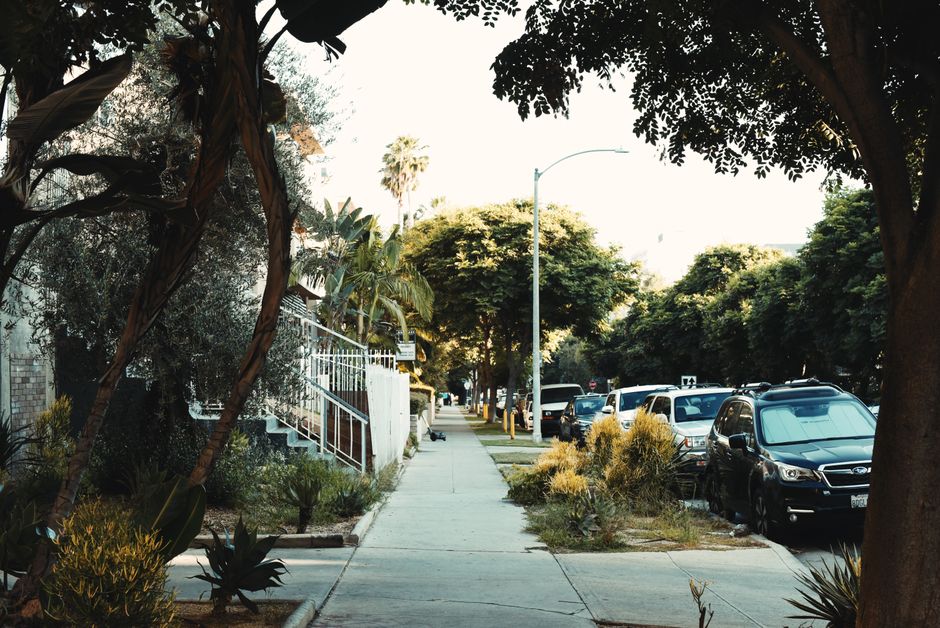
While Silver Lake and Echo Park have long dominated LA's investment conversation, a subtler shift is reshaping the eastside property landscape. Highland Park, historically overlooked in favour of trendier neighbourhoods, has quietly emerged as the city's most compelling value play—and the numbers tell the story.
Median prices in Highland Park currently hover around $680k to $720k, a substantial discount to the city-wide median of $870k. Yet the neighbourhood's trajectory suggests this gap won't hold. Over the past 18 months, price growth has outpaced Echo Park and matched Silver Lake, driven by a combination of gentrification-resistant charm and genuine infrastructure investment that's finally catching up to community demand.
The catalyst? Connectivity and culture. The Gold Line extension to Azusa, completed in recent years, has made Highland Park genuinely transit-accessible—a rarity that historically separated LA's desirable neighbourhoods from the rest. Meanwhile, the ongoing revitalisation of York Boulevard has attracted independent retailers, galleries, and restaurants that appeal to the creative class without the premium pricing of established eastside hotspots. The York Boulevard Collaborative and local heritage organisations have quietly become as influential as any developer in shaping perception.
Investment activity reflects this shift. Multi-unit residential properties and mixed-use developments along the York Boulevard corridor are moving faster than comparable assets in Silver Lake, with several recent sales suggesting 8-12% annual appreciation. ADU development—a key growth engine across LA—is particularly active here, where lot sizes and zoning permit the kind of density that younger buyers and investors increasingly favour.
What's particularly striking is the demographic composition. Highland Park is attracting the same creative professionals and young families who fuel neighbourhood premiums elsewhere, but at an earlier stage of gentrification. Rents for new units are typically 15-20% below comparable Silver Lake stock, creating the rental yield arbitrage that institutional investors and experienced owner-operators find irresistible.
The neighbourhood isn't without tensions. Rapid change has sparked community conversations about displacement and affordability—concerns that legitimate investors should take seriously. But for those focused on medium-term capital appreciation and neighbourhood stability, Highland Park offers something increasingly rare in 2026's LA market: genuine upside before mainstream discovery.
The question isn't whether Highland Park will appreciate further. It's whether current pricing still reflects its trajectory, or whether that window has already begun closing.
This article was compiled by AI from the sources linked above and screened before publishing. See our editorial standards.
How does this story make you feel?
Spread the word
About this article
Published by The Daily Los Angeles
Daily brief
Free, in your inbox before 7am. Weekdays.
More in Property