First-Time Buyers' Roadmap: Navigating LA's Affordable Housing Programs in 2026
With the median home price hovering near $870,000, LA's first-time homebuyers have more tools than ever—if they know where to look.
With the median home price hovering near $870,000, LA's first-time homebuyers have more tools than ever—if they know where to look.

The Los Angeles housing market has long intimidated first-time buyers. With median prices sitting around $870,000, traditional homeownership feels out of reach for many working Angelenos. But a constellation of programs, incentives, and emerging neighborhoods is quietly reshaping opportunity across the city.
The state's down payment assistance programs remain the most accessible entry point. CalHFA's loans can cover up to 20 percent of a purchase price with favorable terms for buyers earning up to 120 percent of area median income—roughly $150,000 for a household of four. Combined with federal tax credits and LA County's first-time buyer initiatives, qualified applicants can reduce their initial capital requirement significantly.
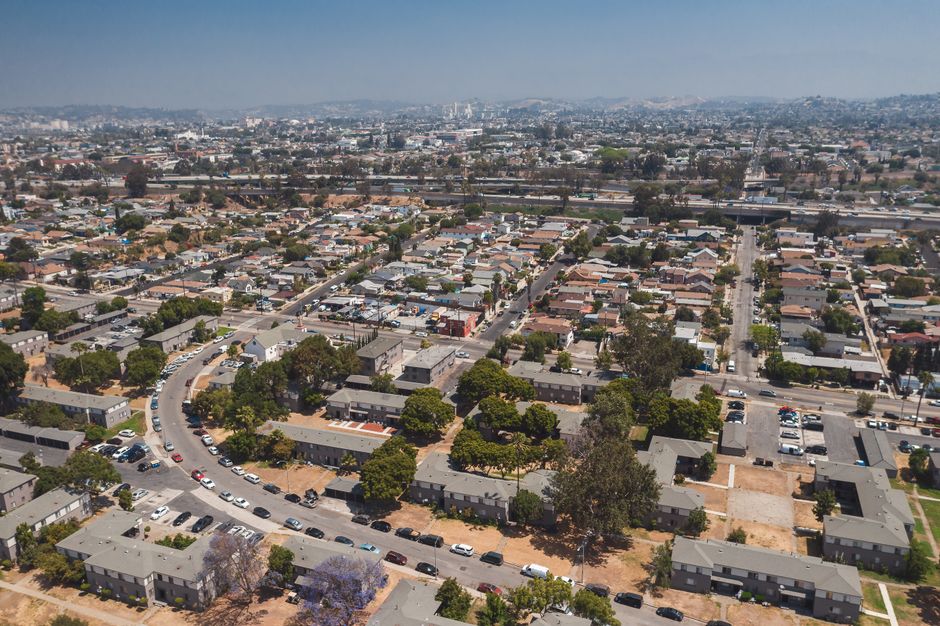
Geography matters. While Silver Lake and Echo Park command premium prices, East LA continues its steady ascent as a viable alternative. Neighborhoods along the Gold Line corridor—particularly Lincoln Heights and Highland Park—offer relative affordability alongside transit access and emerging food and arts scenes. Recent data shows median prices in these areas trailing citywide figures by 15 to 20 percent, making $700,000-plus listings achievable for disciplined savers.
Accessory dwelling units represent an underutilized wealth-building strategy. LA's streamlined ADU permitting process allows owner-occupants to build secondary units that generate rental income—offsetting mortgage payments while building equity. For buyers in neighborhoods like Palms or Koreatown, this rental income can be the difference between approval and rejection on a lender's worksheet.
The nonprofit sector deserves attention. Community Development Trust and NeighborWorks LA offer buyer education programs and connection to down payment grants. Los Angeles Neighborhood Land Trust facilitates community land trust purchases, where buyers own homes while a trust retains the underlying land—permanently lowering resale prices for future buyers while reducing individual acquisition costs today.
First-time buyers should also investigate employer-sponsored programs. Major healthcare systems, universities, and tech companies increasingly offer homeownership assistance as recruitment and retention tools.
The math remains challenging without intention. A $150,000 household income typically qualifies for roughly $550,000-600,000 in financing—still below median prices. Success requires combining multiple programs: down payment assistance, employer support, ADU income potential, and strategic neighborhood selection.
The window hasn't closed. But 2026's market demands that first-time buyers approach this as a research project, not a spontaneous decision. Those who invest time in understanding available programs, identifying realistic neighborhoods, and building their financial profile systematically can still find a foothold in LA's competitive landscape.
This article was compiled by AI from the sources linked above and screened before publishing. See our editorial standards.
How does this story make you feel?
Spread the word
About this article
Published by The Daily Los Angeles
Daily brief
Free, in your inbox before 7am. Weekdays.
More in Property