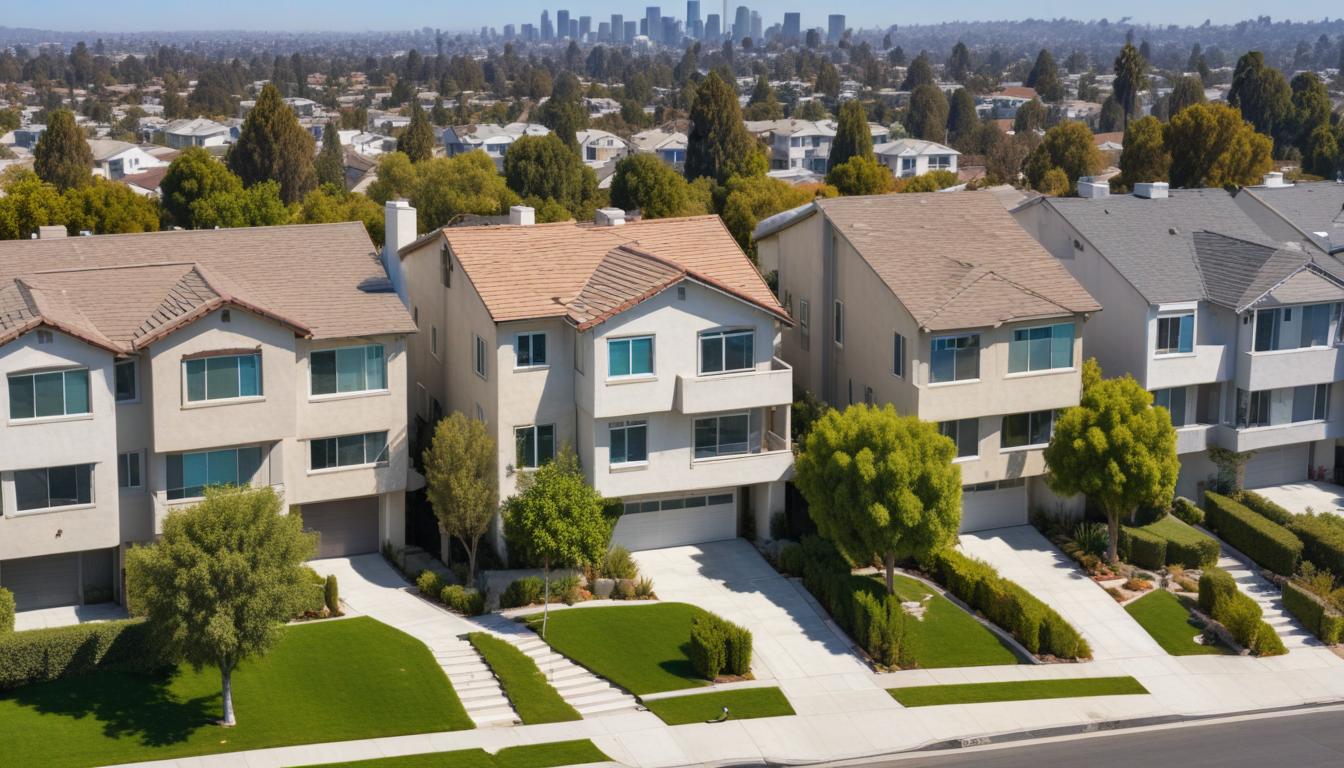
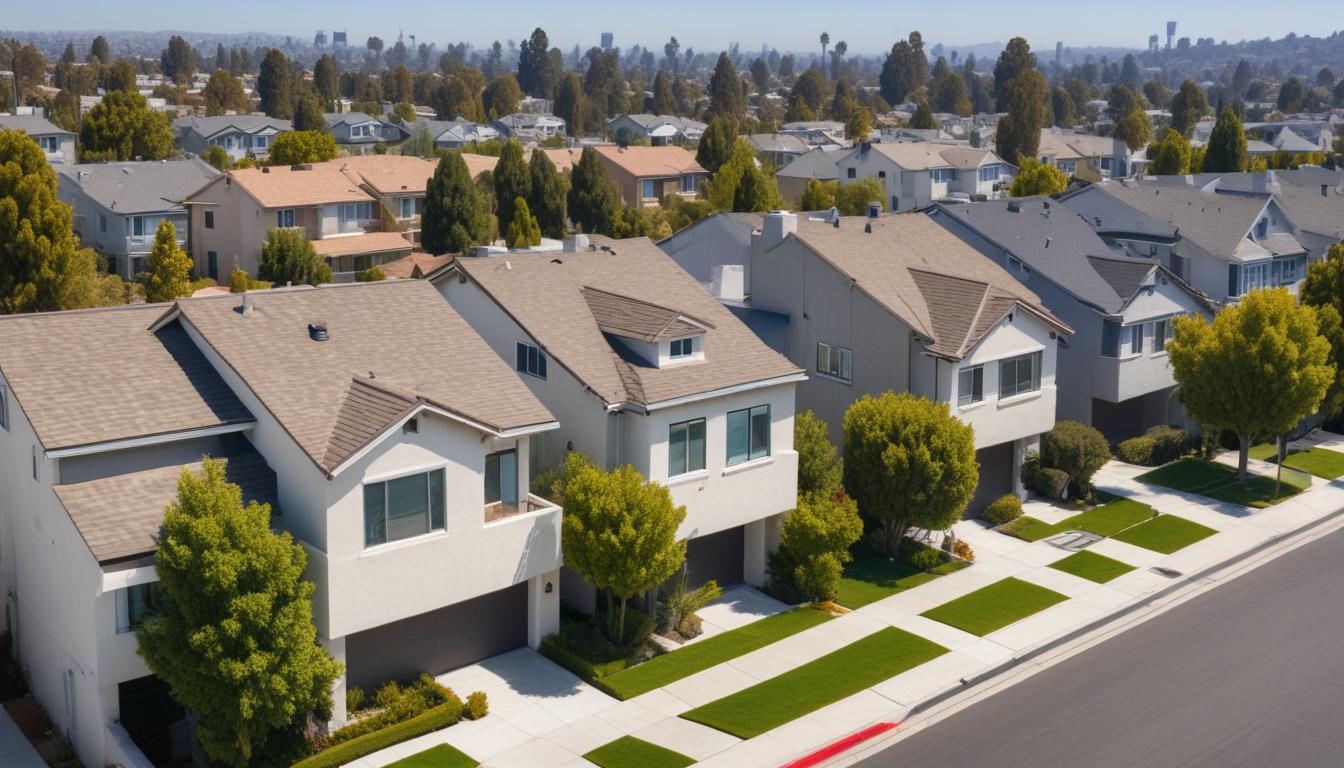
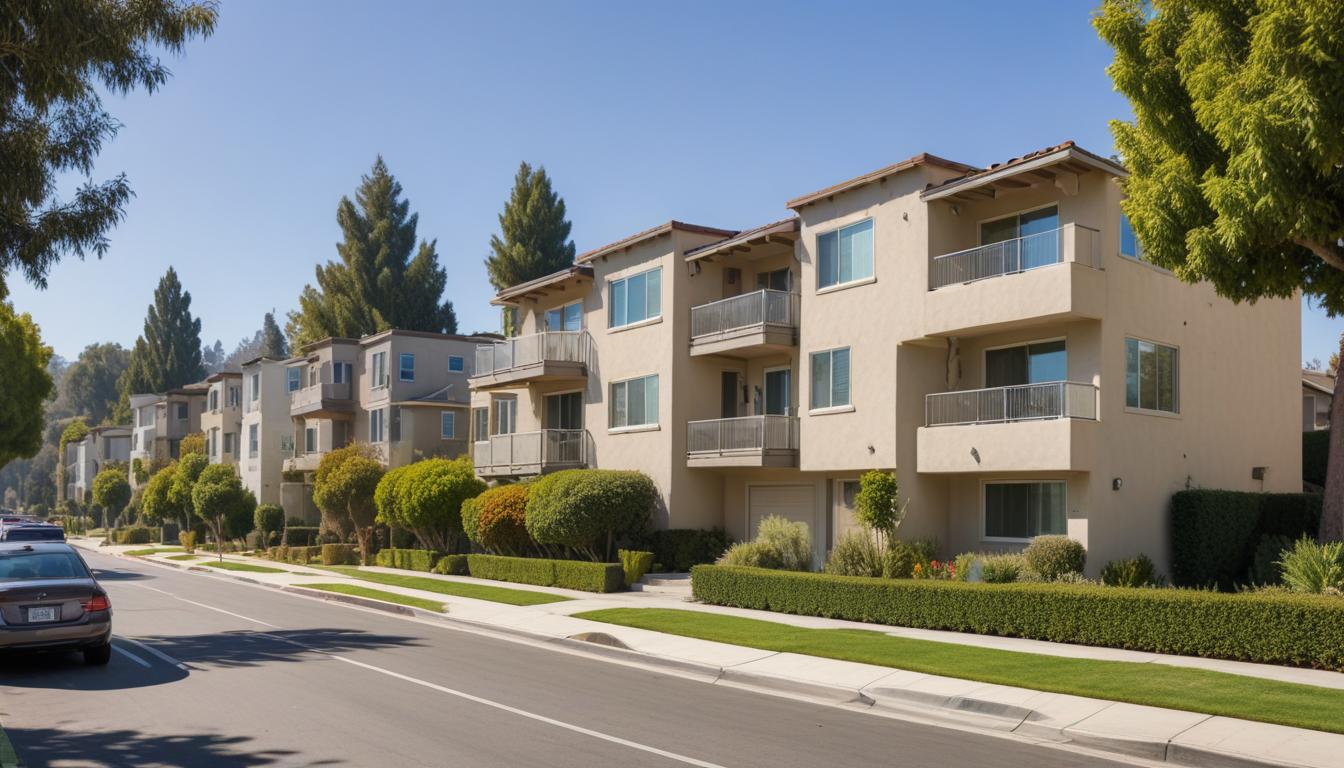
Los Angeles's property investment landscape is being quietly rewritten by a wave of new development projects that savvy landlords are already positioning themselves to capitalise on. With the median home price hovering around $870,000 and rental yields increasingly dependent on location-specific growth patterns, understanding where the next projects are landing has become essential.
East LA is the clearest case study. The neighbourhood, traditionally undervalued compared to Silver Lake and Echo Park, is experiencing accelerated residential and mixed-use development. New apartment complexes along Whittier Boulevard and infill projects near the Metro Gold Line stations are driving rental demand upward. Landlords who acquired properties here two to three years ago are seeing 15-20% appreciation alongside steadily climbing rents—a combination increasingly rare in established neighbourhoods like Hollywood Hills, where the luxury market faces its own headwinds.
The ADU (accessory dwelling unit) boom continues reshaping rental economics across mid-range areas. Properties in Koreatown and along Los Feliz Boulevard are being retrofitted with second units, effectively doubling yield potential for patient investors willing to navigate city approval processes. The city's streamlined permitting has accelerated timelines, making these conversions viable within 12-18 months rather than the three-year nightmare scenario of the past.
Silver Lake's transformation is more sophisticated. Rather than simple residential growth, developers are creating mixed-use clusters—retail ground floors with residential units above, often attracting younger professionals and remote workers willing to pay premium rents near Sunset Junction and the burgeoning creative districts. These projects typically deliver 4-5% net yields, modest by historical standards, but with strong appreciation potential.
Bel Air and Hollywood Hills remain luxury-focused, but new spec developments here reveal a market correction. Several high-end projects started in 2024 are now offering competitive pricing, suggesting that stratospheric price growth has plateaued. Investors in this segment should focus on renovated properties over raw land—occupancy and rental income trump speculative appreciation in a tightening market.
The critical insight for landlords: development proximity matters enormously. Properties within walking distance of new transit-adjacent projects or revitalisation zones command rental premiums and steadier occupancy. Conversely, areas without approved development pipelines face rental stagnation and declining yields relative to city-wide growth.
Before committing capital, investigate the Los Angeles Department of City Planning's development tracker and speak with local real estate agents about pipeline projects. The next 24 months will separate properties that benefit from surrounding growth from those that merely age alongside their neighbourhoods.
This article was compiled by AI from the sources linked above and screened before publishing. See our editorial standards.