What Investor Yields Actually Reveal About LA's Housing Crisis
With rental returns collapsing across the city, property investors are rethinking strategies—and it's reshaping neighbourhoods from Silver Lake to East LA.
With rental returns collapsing across the city, property investors are rethinking strategies—and it's reshaping neighbourhoods from Silver Lake to East LA.
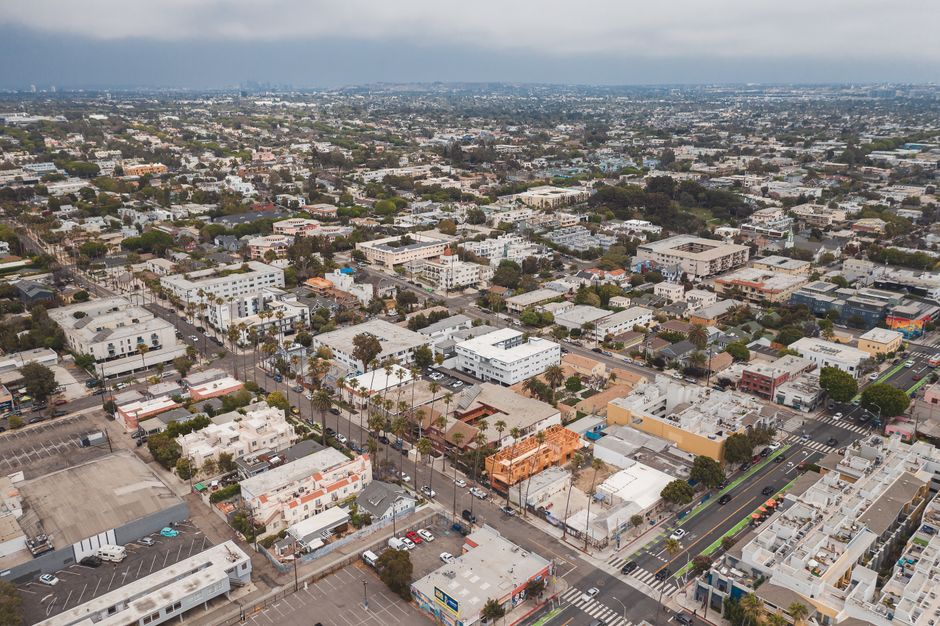
Los Angeles property investors are facing an uncomfortable truth: the numbers no longer add up the way they did five years ago. While the city's median home price sits stubbornly around $870,000, gross rental yields have compressed to levels that would have been unthinkable a decade ago, forcing a reckoning across residential markets from Koreatown to the San Fernando Valley.
The collapse in yield ratios tells a darker story than headline prices alone. A typical rental property in Silver Lake—once a darling for boutique investors seeking 5-6 per cent returns—now struggles to deliver 2.8-3.2 per cent annually. In Echo Park, where gentrification has accelerated over the past three years, yields have dropped below 3 per cent as purchase prices have climbed 35 per cent while rents have stalled. Even in emerging neighbourhoods like East LA, where investor activity has intensified alongside infrastructure improvements around the Gold Line corridor, gross yields hover around 3.5 per cent—barely above inflation.
The mathematics are stark. A $900,000 property generating $24,000 in annual rent returns just 2.67 per cent before expenses. Factor in property tax, maintenance, vacancy periods, and management fees—easily consuming 30-40 per cent of gross income—and net yields evaporate to near-zero levels for many buy-and-hold investors. This compression reflects a fundamental disconnect: prices have been driven upward by owner-occupiers, institutional money, and international capital, while rental markets remain constrained by genuine affordability limits.
The ADU boom sweeping neighbourhoods near UCLA and throughout the Hollywood Hills offers a partial counterweight. Purpose-built accessory units are generating 4.5-5 per cent yields in some pockets, attracting smaller investors seeking alternative strategies. But scaling this approach faces zoning obstacles and carrying costs that limit its impact on broader affordability.
The implications ripple outward. As investor yields deteriorate, capital migration is observable: money moving toward office-to-residential conversions downtown, toward industrial properties, and toward secondary markets beyond the LA basin. This flight of investment dollars historically correlates with softer rental growth—potentially offering respite for renters, though not for the supply-starved market overall.
The yield story, then, reveals what policy makers have long struggled to articulate: Los Angeles prices have decoupled from the income streams necessary to justify them. Until either rents accelerate meaningfully or purchase prices reset, investors will continue recalibrating—and the city's housing crisis will persist, divorced from the arithmetic investors need to build supply.
This article was compiled by AI from the sources linked above and screened before publishing. See our editorial standards.
How does this story make you feel?
Spread the word
About this article
Published by The Daily Los Angeles
Daily brief
Free, in your inbox before 7am. Weekdays.
More in Property