Los Angeles rental market dynamics are undergoing a seismic shift as new residential developments reshape familiar neighborhoods. With the median home price holding steady around $870,000, renters increasingly face questions about where affordable units will emerge and whether new construction will ease or exacerbate scarcity across the city.
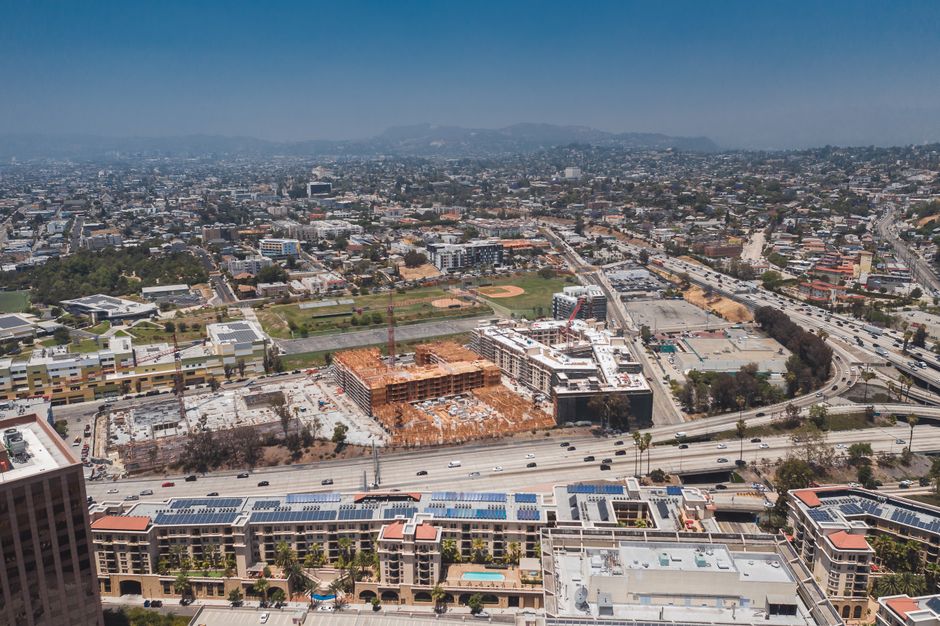
The transformation is particularly visible along the Arts District's eastern corridor and across Silver Lake, where mid-rise apartments and mixed-use complexes are rising faster than in years past. Project completions in these areas have begun to incrementally loosen vacancy pressures that peaked during the pandemic undersupply. Yet the picture varies dramatically by neighborhood. While some new units in East LA and emerging zones along the Vermont Corridor are absorbing initial rental demand, established hotspots like Los Feliz and Atwater Village remain competitive.
Downtown Los Angeles continues to lead development activity, with ongoing projects converting older office and industrial spaces into residential lofts. This adaptive reuse strategy has proven effective at adding units without sprawl—though prices remain elevated. Meanwhile, the ADU boom continues reshaping single-family neighborhoods from Silver Lake to the foothills areas, creating a secondary rental layer many agents and tenants are still learning to navigate.
For renters, the timing of these completions matters enormously. Apartment hunters in neighborhoods like Echo Park and Los Feliz should recognize that new supply typically drives modest rent moderation in surrounding blocks during the first 12-18 months post-opening. However, that effect often fades as market dynamics reassert themselves. The median asking rent across desirable LA neighborhoods currently sits 8-12% above pre-pandemic levels, meaning new development alone won't immediately restore affordability.
Industry observers point to a crucial variable: inclusionary housing requirements. As the City's mandatory affordable unit policies mature with ongoing projects, a meaningful percentage of new rentals are legally restricted to income-qualified tenants. Understanding which developments include affordable components—often tracked through the LA Housing Department and local nonprofit networks—can be critical for households earning below area median income.
For tenants evaluating neighborhoods experiencing active development, the calculus involves assessing both immediate rental pressure and long-term neighborhood trajectory. A building project on a key commercial corridor might signal coming amenity improvements and pedestrian activity, but also signal potential short-term construction disruption. Local nonprofit housing organizations and the LA Tenants Union continue providing resources for navigating lease negotiations and rights, particularly as neighborhoods evolve.
The next 18 months will prove decisive. If pipeline projects maintain current completion schedules, selective neighborhoods may see meaningful inventory increases by late 2027. Renters paying attention to specific development timelines rather than broad market sentiment may find tactical advantages in the shifting landscape.
This article was compiled by AI from the sources linked above and screened before publishing. See our editorial standards.