While Silver Lake and Echo Park continue to dominate LA's real estate conversation, property investors with sharper eyes are spotting opportunity further afield. Downtown Long Beach, just 30 kilometres south, has quietly emerged as one of Southern California's most compelling investment plays, offering rental yields and appreciation potential that increasingly outstrip pricier westside alternatives.
The numbers tell the story. A typical two-bedroom apartment near the Pike at Long Beach now rents for $2,200–$2,600 monthly, with purchase prices hovering around $550,000–$650,000. That's a gross yield of 4.5–5.7 per cent—substantially higher than comparable properties in Silver Lake, where median prices have climbed to $950,000, compressing yields to under 3 per cent. Factor in Long Beach's lower property tax rates and more affordable renovation costs, and the investment case becomes compelling.
The catalyst? A confluence of urban planning wins. The Metro A Line (formerly Blue Line) extension now connects downtown directly to Union Station, a 35-minute commute that's reshaping commuter patterns. Meanwhile, the $400 million waterfront promenade redevelopment—stretching from Shoreline Park to the Queen Mary—has attracted boutique retailers, restaurants, and young professionals seeking walkable neighbourhoods without Hollywood Hills price tags.
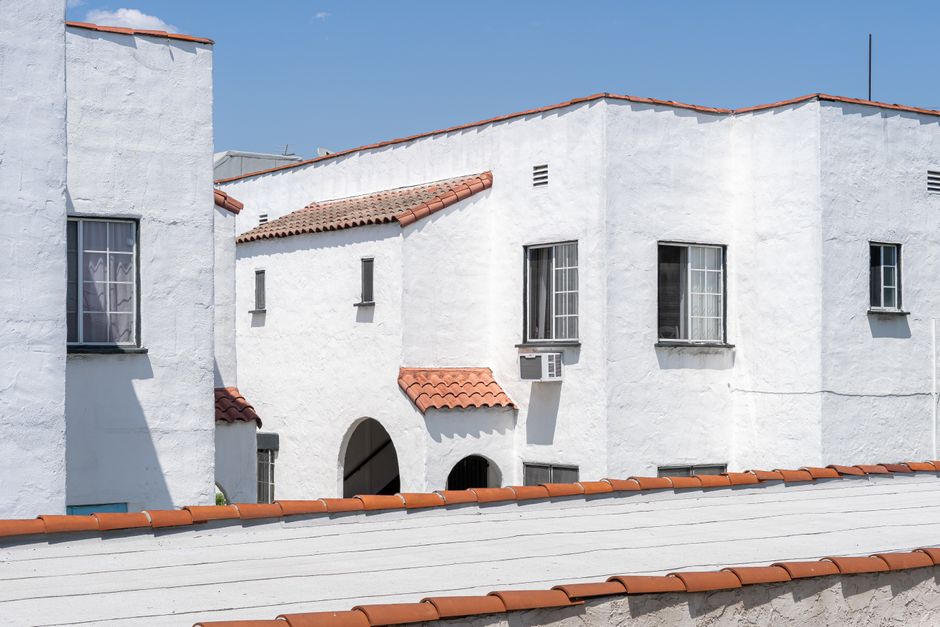
Residential conversions are accelerating. The Berlian, a luxury apartment tower on Atlantic Avenue, sold out its 220 units within months of launch. The Broadmore on Ocean Boulevard—a reimagined Art Deco building now housing 156 apartments—reflects a broader trend of heritage buildings becoming investor-friendly rental stock. These aren't speculative plays; they're backed by genuine demographic shift.
Local investors and property managers point to a secondary advantage: tenant stability. Unlike some LA markets prone to rapid demographic churn, Long Beach's rental base skews toward established professionals, families, and young couples with stable employment—particularly those working at Cal State Long Beach, Long Beach Memorial Medical Center, and the Port of Long Beach.
Challenges exist. Parking remains contentious downtown, and some heritage-listed precincts impose strict development controls. Investors must navigate city zoning carefully, particularly around the Arts District and Alamitos Beach areas, where heritage overlays can slow renovation timelines.
Still, for landlords seeking double-digit total returns (rental yield plus appreciation) without the saturation plaguing trendier postcodes, Downtown Long Beach warrants serious consideration. As the LA median sits stubbornly at $870,000, Long Beach's value proposition—proximity, transit, waterfront lifestyle, and yield—is proving increasingly difficult to ignore.
This article was compiled by AI from the sources linked above and screened before publishing. See our editorial standards.