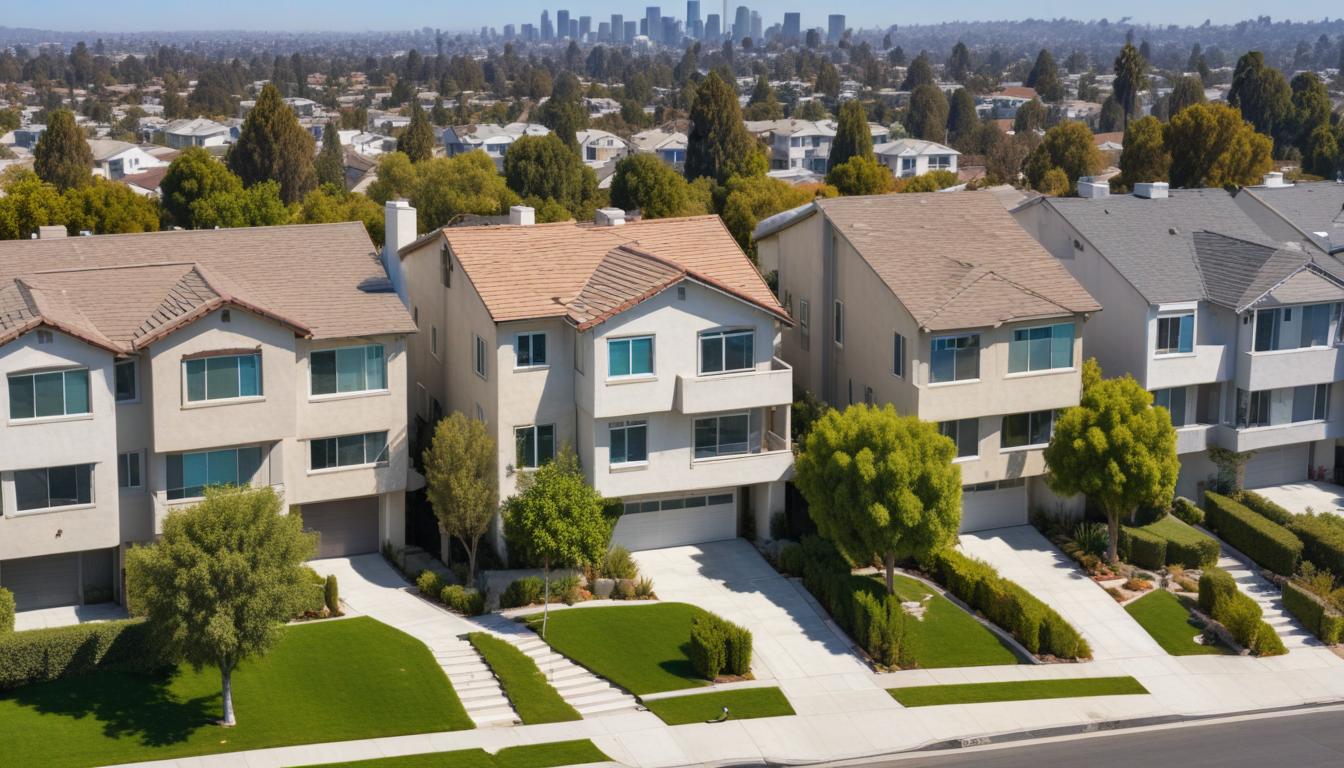
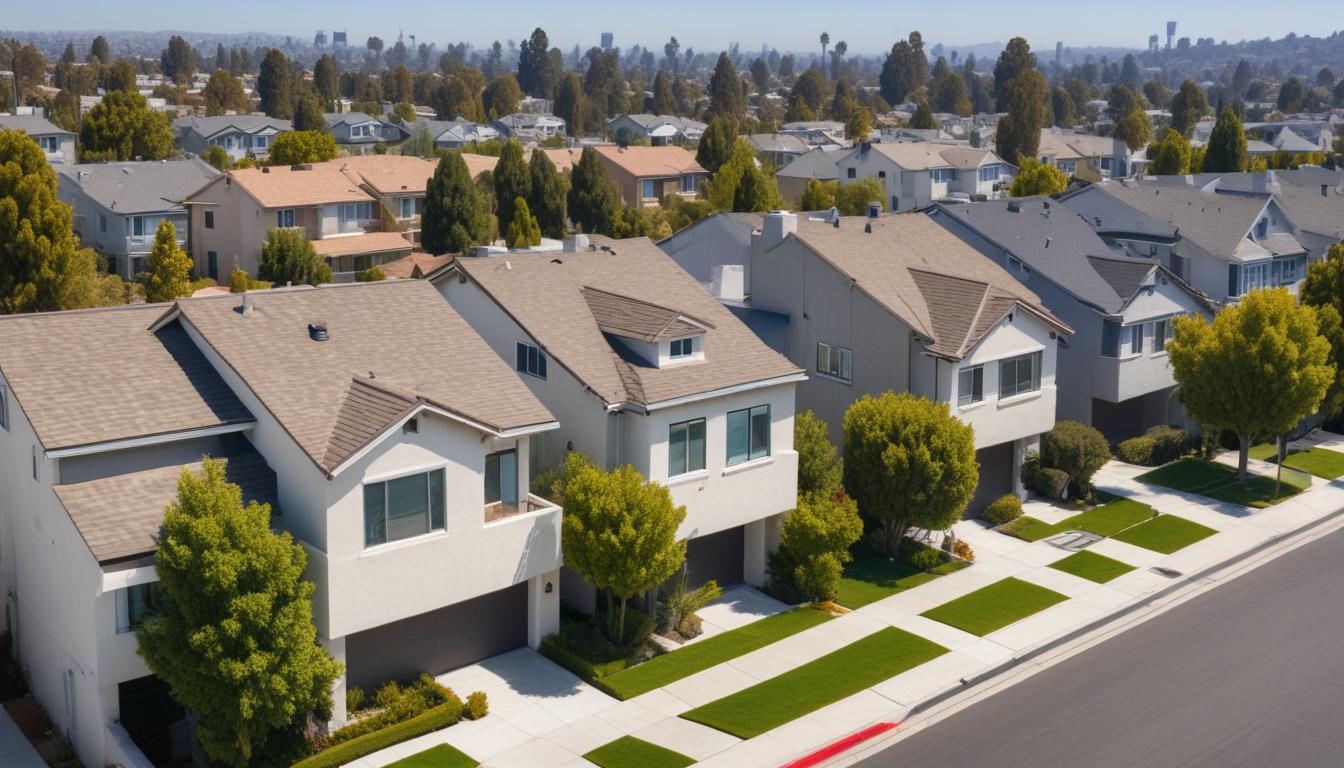
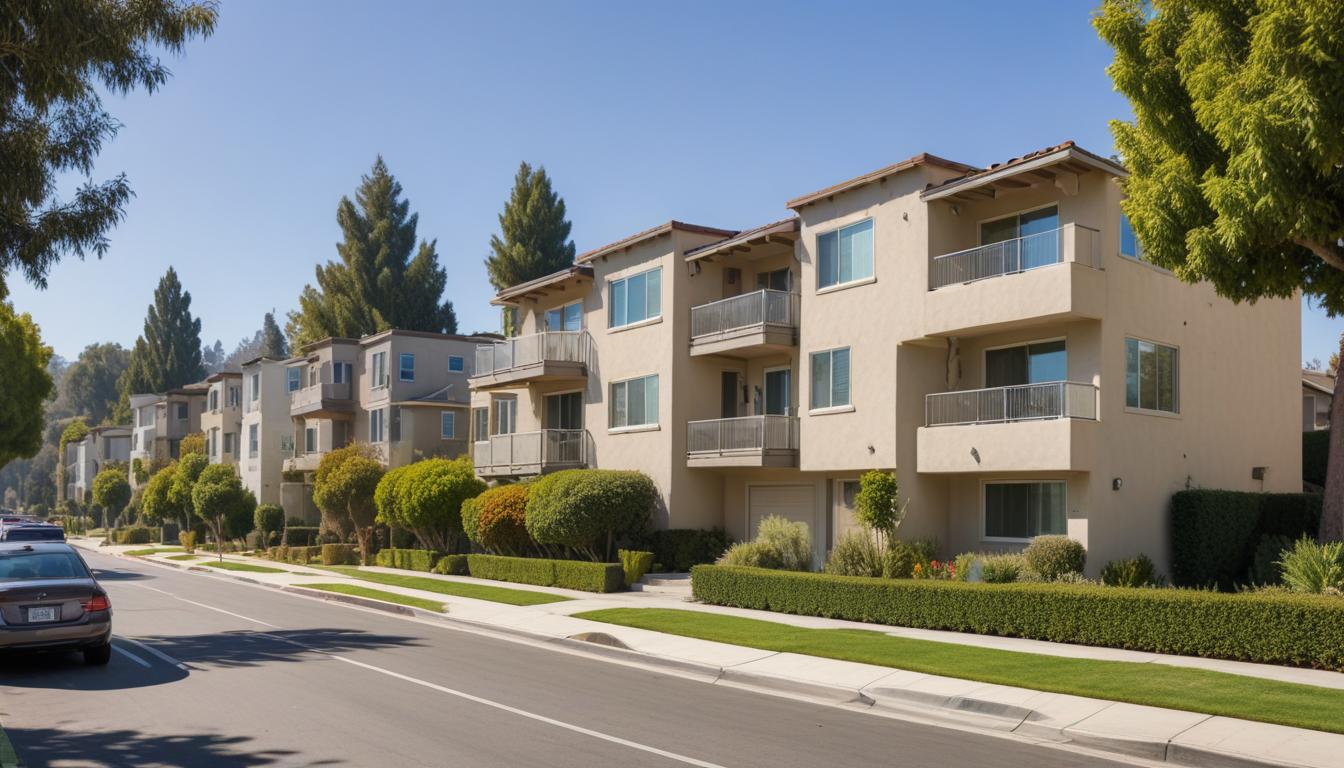
Los Angeles is in the grip of a housing paradox. With the median home price hovering around USD 870,000, the city has become increasingly unaffordable for teachers, nurses, and service workers who power its economy. Yet scattered across the sprawl—from Downtown LA to East Los Angeles—a new generation of development projects is attempting to rewrite that narrative.
The most visible shift is happening in inner-ring neighbourhoods where transit-adjacent land is being converted into mixed-income communities. A 287-unit project on Figueroa Street in Highland Park, recently approved by the LA Housing Department, will reserve 30% of units for households earning below 60% of area median income. The remaining apartments will rent at market rates, a model increasingly favoured by developers navigating California's complicated affordability requirements. For context: a modest two-bedroom in Highland Park now fetches USD 2,400 monthly, pricing out most service-sector workers entirely.
East LA is experiencing more aggressive intervention. The Los Angeles Housing + Community Investment Department has greenlit six new affordable housing projects along the Metro L Line corridor, collectively delivering over 600 units. These aren't isolated buildings—they're anchored by community centres, ground-floor retail, and public plazas designed to prevent the gentrification that traditionally follows transit improvements. Local organisations like PESO (People Empowered to Stop Oppression) have embedded themselves in the approval process, ensuring community benefit agreements remain binding.
Silver Lake and Echo Park, traditionally hipster havens that have gentrified aggressively since the 2010s, are now seeing ADU (accessory dwelling unit) regulations relaxed. City Hall estimates this could unlock 10,000+ additional units citywide. Property owners on Rowena Avenue and around Reservoir Hill are already converting garages and adding backyard cottages, though affordability requirements remain inconsistently applied.
The challenge is familiar: density without displacement. Hollywood Hills and Bel Air remain largely untouched by affordability mandates, their single-family zoning intact. Meanwhile, working-class neighbourhoods like Boyle Heights and Lincoln Heights bear disproportionate development pressure. The tension is real and unresolved.
Still, momentum is shifting. LA's 2024 general plan update requires 15% affordability in new projects, up from 8% previously. For a city where housing scarcity has become an existential problem, these projects represent the first credible attempt to build upward while protecting those who've been priced out. Whether they're enough remains the question keeping policymakers awake.
This article was compiled by AI from the sources linked above and screened before publishing. See our editorial standards.