What LA's auction data and price signals are telling developers about tomorrow's projects
As land sales shift and clearance rates cool, developers are reading the room—and reshaping what gets built across Los Angeles.
As land sales shift and clearance rates cool, developers are reading the room—and reshaping what gets built across Los Angeles.
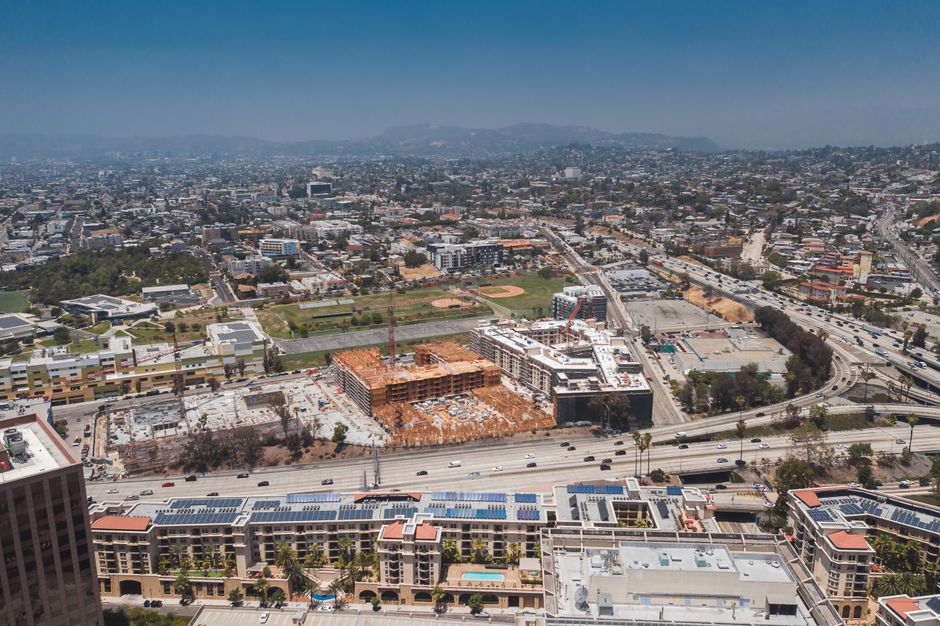
The signals coming from Los Angeles property auctions and recent land transactions are reshaping the development pipeline in real time. Last month, a vacant parcel in Northeast LA fetched $1.8 million—below comparable recent sales—while competition for trophy sites in Silver Lake and Echo Park remains fierce. For developers and planners watching the market, these mixed signals are dictating which projects move forward and which get shelved.
The cooling clearance rates at public auctions suggest developers are becoming more selective. A decade ago, any development-ready land in established neighborhoods would attract bidding wars. Today, that same land in less fashionable corridors—say, along the Vermont Avenue corridor or parts of Boyle Heights—is taking longer to move. Meanwhile, trophy properties continue to command premiums. A modest Echo Park parcel sold for $2.1 million in April, reflecting the neighborhood's persistent appeal despite broader market caution.
This divergence is already visible in the approval pipeline. City Planning data shows developers are increasingly focused on higher-density residential projects in already-desirable neighborhoods rather than speculative land banking in emerging areas. The ADU boom continues unchecked—single-family homeowners across LA are still converting garages and building secondary units—but large-scale apartment developments are concentrating in Echo Park, Silver Lake, and Los Feliz rather than spreading eastward as many predicted.
In Hollywood Hills and Bel Air, the luxury segment remains largely immune to cooling signals. High-end land sales north of the Hollywood Bowl and around Mulholland Drive have maintained their trajectory, suggesting ultra-wealthy buyers and developers see little risk in current conditions. That's creating a bifurcated market: premium neighborhoods continue attracting capital, while mid-market and emerging areas are experiencing genuine pause.
What does this mean for future LA? Expect fewer large-scale mixed-use developments in transitional neighborhoods and more infill projects in already-hot zones. The data suggests developers are reading the market as: proven demand in established areas justifies new supply, while emerging neighborhoods require deeper discounts to attract investment capital. That's good news for Silver Lake renters and Echo Park buyers—more competition, more choice. It's less encouraging for East LA advocates hoping for major new development without gentrification premiums, or for planners trying to distribute growth more evenly across the city.
The auction room doesn't lie. And right now, it's whispering that LA's next development wave will look more concentrated, more defensive, and more focused on neighborhoods that have already proven their worth.
This article was compiled by AI from the sources linked above and screened before publishing. See our editorial standards.
How does this story make you feel?
Spread the word
About this article
Published by The Daily Los Angeles
Daily brief
Free, in your inbox before 7am. Weekdays.
More in Property